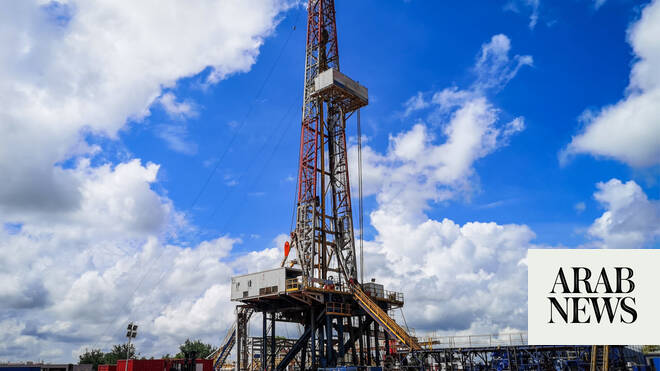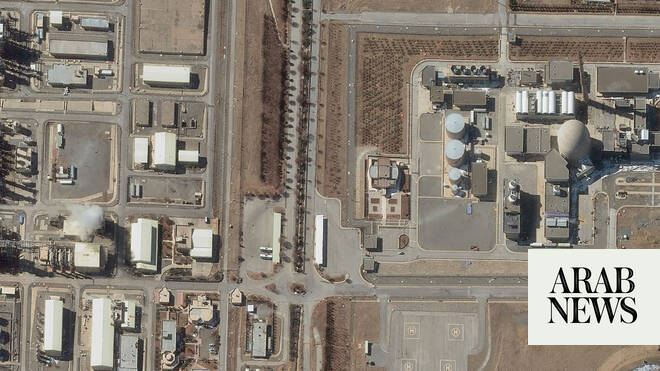

The InternationalAtomic Energy Agency’s confirmation that Israel’s strike on Iran’s heavy‑water production facility at Khondab has rendered the plant non‑operational introduces a new layer of uncertainty to the Middle East’s already volatile security landscape. While the IAEA noted that the installation holds no declared nuclear material, the disabling of a key node in Iran’s plutonium‑production chain heightens the risk of escalatory responses and could prompt Tehran to accelerate alternative enrichment pathways. This development reverberates beyond the technical domain, influencing strategic calculations across the Gulf and North Africa.
From a sovereign‑capital perspective, Gulf investors—particularly the sovereign wealth funds of Saudi Arabia, the United Arab Emirates, and Qatar—are likely to reassess their exposure to Iranian‑linked assets and to recalibrate risk premiums on regional equities and sovereign bonds. The episode may trigger a short‑term flight to quality, boosting demand for AAA‑rated GCC instruments while pressuring Iranian‑dollar denominated debt. Energy markets, already sensitive to supply disruptions, could see heightened volatility in crude prices, affecting the fiscal buffers of oil‑exporting states and influencing the timing of infrastructural financing rounds tied to petroleum‑linked projects.
Venture‑capital activity in the MENA tech ecosystem is poised to feel the chill of heightened geopolitical risk. Israeli startups, especially those operating in dual‑use sectors such as cybersecurity, advanced manufacturing, and nuclear‑related analytics, may encounter increased scrutiny from foreign limited partners wary of entanglement in conflict‑related supply chains. Conversely, investors may gravitate toward startups offering resilient infrastructure solutions—modular water‑treatment, distributed energy, and secure communications—that can mitigate the fallout from similar strikes. This shift could accelerate capital toward UAE‑ and Saudi‑backed funds focused on infrastructure tech and defense‑adjacent innovation.
At the broader infrastructural level, the incident underscores the necessity for MENA states to diversify critical heavy‑water and nuclear‑related capabilities, reducing reliance on single‑point facilities vulnerable to kinetic attacks. Multilateral development banks and regional financing mechanisms may see renewed interest in funding redundant, hardened installations and in supporting regional cooperation frameworks for nuclear safety and non‑proliferation. In tandem, governments are likely to accelerate investments in alternative energy pathways—renewables and small‑modular reactors—to enhance energy security and diminish the strategic salience of any single nuclear‑facility node, thereby stabilizing the long‑term investment climate for sovereign and private capital across the region.