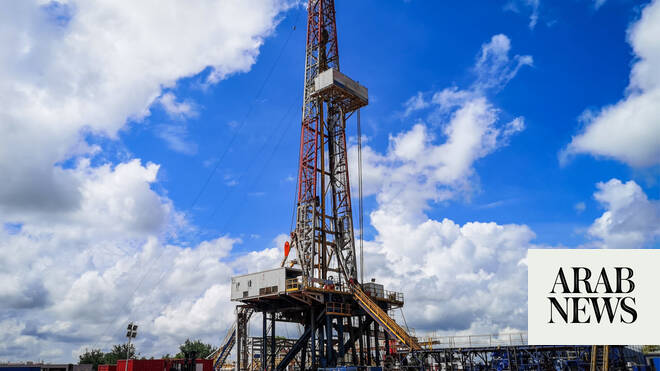

The escalating geopolitical tensions in the Gulf, primarily stemming from the conflict involving Iran, are triggering immediate and significant operational adjustments within the regional energy sector. ADES Holding Co., a major oil drilling firm, has suspended the use of ten offshore rigs across the Gulf region, a move reflecting a broader recalibration of production capacity driven by heightened uncertainty. This disruption, coupled with reduced supply commitments from other producers, underscores the vulnerability of the region’s hydrocarbon output to external shocks and necessitates a strategic reassessment of investment priorities.
The acquisition of Shelf Drilling, finalized during the fourth quarter of 2025 for SR1.95 billion, represents a calculated response to these evolving risks. ADES’s geographic diversification, now encompassing operations outside the immediate Gulf region, provides a crucial buffer against localized disruptions. Crucially, this expansion is predicated on anticipated increases in global oil prices, a projection that ADES’s CEO, Mohamed Farouk, anticipates will drive a substantial 44% growth in earnings before interest, taxes, depreciation, and amortization (EBITDA) to approximately SR4.87 billion by 2026. This strategic maneuver highlights the increasing importance of sovereign wealth funds and institutional investors within the MENA region, who are actively seeking to diversify their portfolios beyond traditional oil assets and capitalize on opportunities presented by geopolitical volatility.
The impact extends beyond individual companies. The suspension of drilling activities directly affects regional infrastructure development, potentially delaying planned expansions in oil and gas production capacity. Furthermore, the heightened security concerns surrounding the Strait of Hormuz are prompting a re-evaluation of logistical routes and insurance costs, impacting the broader supply chain. Increased demand for drilling rigs, as projected by ADES, will likely strain existing regional manufacturing capacity and necessitate investment in local supply chains, presenting both challenges and opportunities for countries with established industrial bases like Saudi Arabia and the UAE. Sovereign capital, particularly from funds like PIF, will likely play a pivotal role in supporting these infrastructure needs.
Despite concerns regarding inflation and potential recessionary pressures, ADES’s robust financial position – characterized by strong debt levels, consistent cash flows, and ample liquidity – allows the company to maintain its ambitious growth targets. This resilience, combined with the strategic diversification achieved through the Shelf Drilling acquisition, positions ADES to navigate the current turbulent environment and potentially emerge as a key beneficiary of the anticipated recovery in oil prices. However, sustained growth will depend on the de-escalation of geopolitical risks and the continued stability of global energy markets.