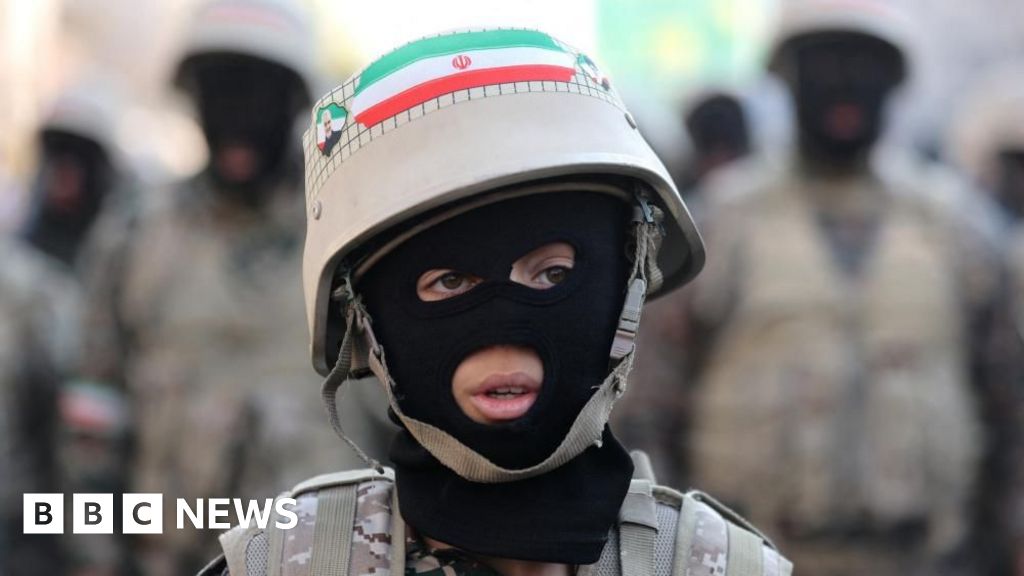

The recent tragic incident in Tehran underscores the precarious security landscape confronting the Middle East and North Africa (MENA) region, with far-reaching implications for sovereign capital flows and sovereign investor confidence. The loss of a young life from an air strike targeting a checkpoint personnel remains a stark reminder of the escalating volatility that permeates regional geopolitics. This event amplifies concerns about the stability of critical infrastructure, prompting heightened scrutiny of military readiness and operational security protocols in key financial hubs.
The implications for sovereign capital markets are profound. Investors must recalibrate risk assessments in light of heightened threat environments, potentially diverting capital from speculative ventures to more secure, defensive asset classes. The MENA region, historically reliant on external investment and regional economic integration, now faces a realignment in financing priorities as stakeholders reassess exposure to politically susceptible actors and infrastructure projects. This recalibration extends to venture capital ecosystems, where access to early-stage financing may become increasingly conditional upon robust security frameworks and governance assurances.
Infrastructure development across the region is also at a crossroads. The threat of targeted strikes against security infrastructure demands a re-evaluation of public-private partnership models, emphasizing resilience and redundancy in service delivery. Regional stakeholders must now balance aggressive growth strategies with the imperative of safeguarding assets that underpin economic stability. The sovereign capital community, in turn, must align financial instruments with enhanced security mandates, ensuring that investment remains resilient amid intensifying geopolitical turbulence.
This development signals a broader transformation within the financial architecture of the MENA. Institutions and policymakers must engage proactively, integrating security considerations into core strategic planning, while capital markets recalibrate to reflect the new reality of risk. The convergence of geopolitical uncertainty and infrastructure imperatives will shape the next phase of investment dynamics, compelling regional actors to fortify not only their financial models but also their operational and sovereign resilience.