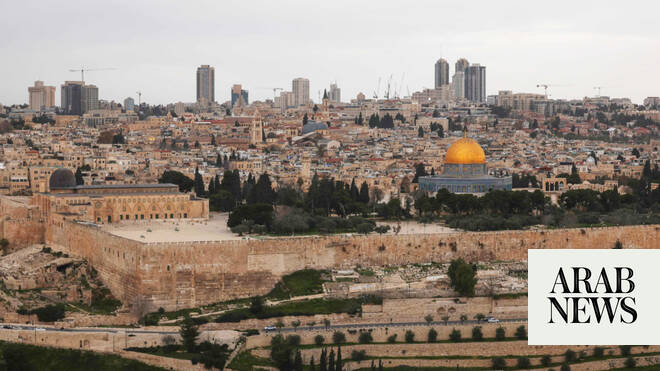

Recent restrictions imposed by Israeli authorities on access to religious sites in Jerusalem, specifically Al-Aqsa Mosque and the Church of the Holy Sepulchre, represent a significant, albeit localized, escalation of regional tensions with potentially far-reaching economic and geopolitical consequences for the MENA region. While the immediate reversal of the ban following international pressure – including strong condemnations from Saudi Arabia, the UAE, Egypt, Jordan, Türkiye, and Indonesia – mitigates the most acute crisis point, the incident underscores the fragility of the status quo and the increasing risk of instability impacting investment flows.
The episode’s business impact extends beyond potential disruptions to religious tourism, a sector vital to the Palestinian economy and, to a lesser extent, Jordan. More critically, it serves as a reminder of the political risk premium inherent in regional investments. Sovereign Wealth Funds (SWFs) in the GCC, increasingly focused on diversifying portfolios and deploying capital into infrastructure projects across the Levant – including Jordan and Egypt – will likely reassess risk matrices. Further escalations could lead to a recalibration of investment timelines and a preference for lower-risk assets, potentially slowing the pace of planned economic development initiatives. The incident also highlights the vulnerability of existing infrastructure, particularly in Jerusalem and the West Bank, to security-related disruptions.
Venture capital activity, already constrained by global macroeconomic headwinds, faces additional headwinds. While tech investment in Israel remains robust, the incident reinforces concerns about the broader regional environment for startups operating in or targeting the Palestinian territories. The justification cited by Israeli police – security concerns related to broader regional conflict – is particularly noteworthy. This framing suggests a potential broadening of security protocols impacting commercial activity, even beyond religious sites. The incident will likely prompt investors to demand greater due diligence regarding political and security risks, potentially increasing the cost of capital for regional ventures.
Looking ahead, the incident underscores the need for proactive diplomatic engagement from regional powers. Saudi Arabia and the UAE, with their growing economic and political influence, are positioned to play a crucial role in de-escalation and fostering dialogue. However, the incident also highlights the limitations of purely economic solutions in addressing deeply rooted political grievances. Sustained regional stability, essential for attracting long-term investment and realizing ambitious infrastructure plans, requires a comprehensive approach that addresses the underlying political issues and ensures the protection of religious freedoms for all.