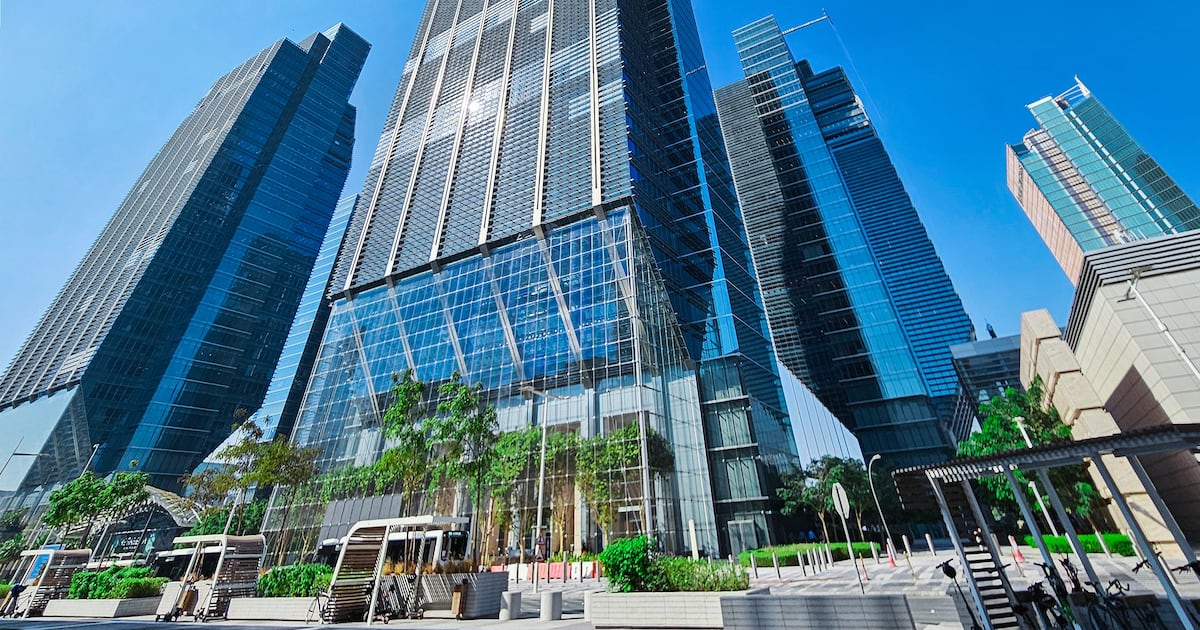

Abu Dhabi‑based 2PointZero has agreed to acquire 100 % of Traverse Midstream Partners, a U.S. gas‑midstream vehicle, for $2.25 billion. Traverse holds non‑operated stakes in the Rover Pipeline and the Ohio River System, assets that provide essential take‑away capacity from the Utica and Marcellus shale basins to demand centres in the Upper Midwest, the U.S. Gulf Coast and Eastern Canada. The transaction, subject to customary regulatory clearances, underscores the continued appetite of Gulf sovereign capital for strategic, cash‑generating infrastructure outside the region, even as the Iran‑related conflict drives heightened volatility in global energy markets.
The deal dovetails with the United Arab Emirates’ broader $1.4 trillion investment and economic framework with the United States, reaffirmed by Ambassador Yousef Al Otaiba’s pledge that the Emirates remains “open for business.” By securing a foothold in North American gas transport, 2PointZero is diversifying its revenue base away from hydrocarbon‑price exposure while reinforcing the UAE‑U.S. partnership that underpins joint ventures in advanced energy, renewables and technology. The move also signals to regional venture‑capital funds that midstream assets—traditionally the preserve of large infrastructure investors—are now viable targets for sovereign‑backed platforms seeking stable, long‑duration yields.
Beyond the immediate financial mechanics, the acquisition reflects a wider trend among MENA investors to hedge geopolitical risk through overseas infrastructure holdings. While the effective closure of the Strait of Hormuz has triggered a global energy squeeze, Gulf sovereign wealth funds—including Saudi Arabia’s PIF and Qatar’s QIA—have continued to close cross‑border deals, demonstrating resilience in capital deployment. For 2PointZero, the Traverse purchase complements its recent majority stake in Italy’s ISEM Packaging Group and its stated focus on food security, advanced energy and renewables, positioning the group to capture growth from Asia’s expanding middle class while leveraging its strengthened balance sheet, which posted a Dh3.43 billion net profit in its first post‑merger earnings.
Looking ahead, the transaction is likely to stimulate further sovereign‑capital allocations into U.S. and North American energy midstream, encouraging co‑investment with private‑equity and venture‑capital players seeking exposure to regulated, fee‑based cash flows. It also reinforces the UAE’s role as a conduit for channeling petrodollar wealth into global infrastructure, a dynamic that could spur additional domestic reforms aimed at improving the efficiency of regional logistics networks and attracting foreign capital into MENA‑based energy transition projects.