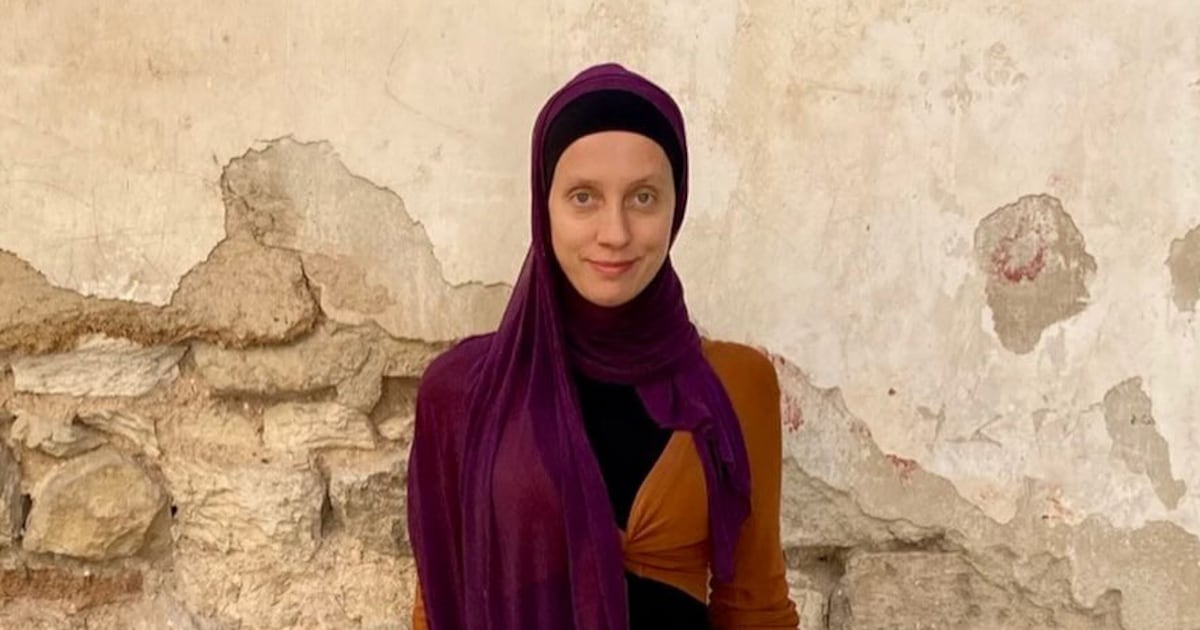

The recentkidnapping of American journalist Shelly Kittleson in Iraq by Kataib Hezbollah, an Iranian-aligned militia group, represents a significant escalation in security risks for foreign nationals and underscores critical vulnerabilities within the regional operating environment, posing profound implications for sovereign capital deployment, venture capital flows, and critical infrastructure security across the Middle East and North Africa (MENA) region.
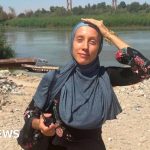
Kittleson, based in Baghdad and contributing to outlets including Al-Monitor, was abducted by men with apparent ties to Kataib Hezbollah, a group with a documented history of targeting foreign entities, most notably the nearly two-year captivity of academic Elizabeth Tsurkov in 2023. This incident directly threatens the safety of international personnel and journalists operating in Iraq, a prerequisite for stable foreign investment. The presence of such groups, exploiting the country’s complex security landscape and the withdrawal of US troops, creates an environment of heightened uncertainty. This uncertainty acts as a deterrent for sovereign wealth funds and strategic investors contemplating significant capital deployment into Iraq or neighboring states where similar militant actors maintain influence. The US State Department’s warning to American citizens to evacuate and its coordination with the FBI highlight the perceived severity of the threat and the potential for further destabilization impacting regional stability.
The abduction signals a renewed threat to venture capital activity within Iraq and potentially across the Levant. Foreign VCs and tech founders increasingly rely on a secure operating environment to attract and retain talent, secure physical assets, and establish operational continuity. The kidnapping, coupled with the militia group’s history of detaining academics and perceived alignment with Iranian strategic interests, intensifies the risk calculus for investors. This could lead to reduced foreign direct investment (FDI) into Iraqi tech hubs and startups, particularly those perceived as critical infrastructure or those with international connections. Sovereign wealth funds, wary of similar incidents deterring long-term strategic investments in regional infrastructure projects, may further scrutinize their portfolios within Iraq and potentially other high-risk MENA states. The broader perception of Iraq as an increasingly hazardous environment for foreign personnel could precipitate a contraction in venture capital activity and delay sovereign initiatives aimed at modernizing critical infrastructure.
The incident exacerbates pre-existing concerns regarding the security of critical national infrastructure (CNI) across the MENA region. Iraq’s energy sector, a vital component of its sovereign economic strategy, relies heavily on international expertise and foreign personnel to maintain and expand operations. The abduction underscores the vulnerability of foreign nationals and contractors working within sensitive CNI sectors, potentially deterring necessary foreign expertise and increasing operational costs due to enhanced security measures. This vulnerability also extends to telecommunications, transportation networks, and digital infrastructure, all critical for regional economic integration. As geopolitical tensions persist and militant groups exploit local grievances, the security environment for foreign workers in these sectors will continue to be a significant factor influencing sovereign investment decisions and the pace of infrastructure modernization projects championed by regional governments. The safety of foreign nationals operating in such environments remains paramount for sustained economic progress in the MENA region.