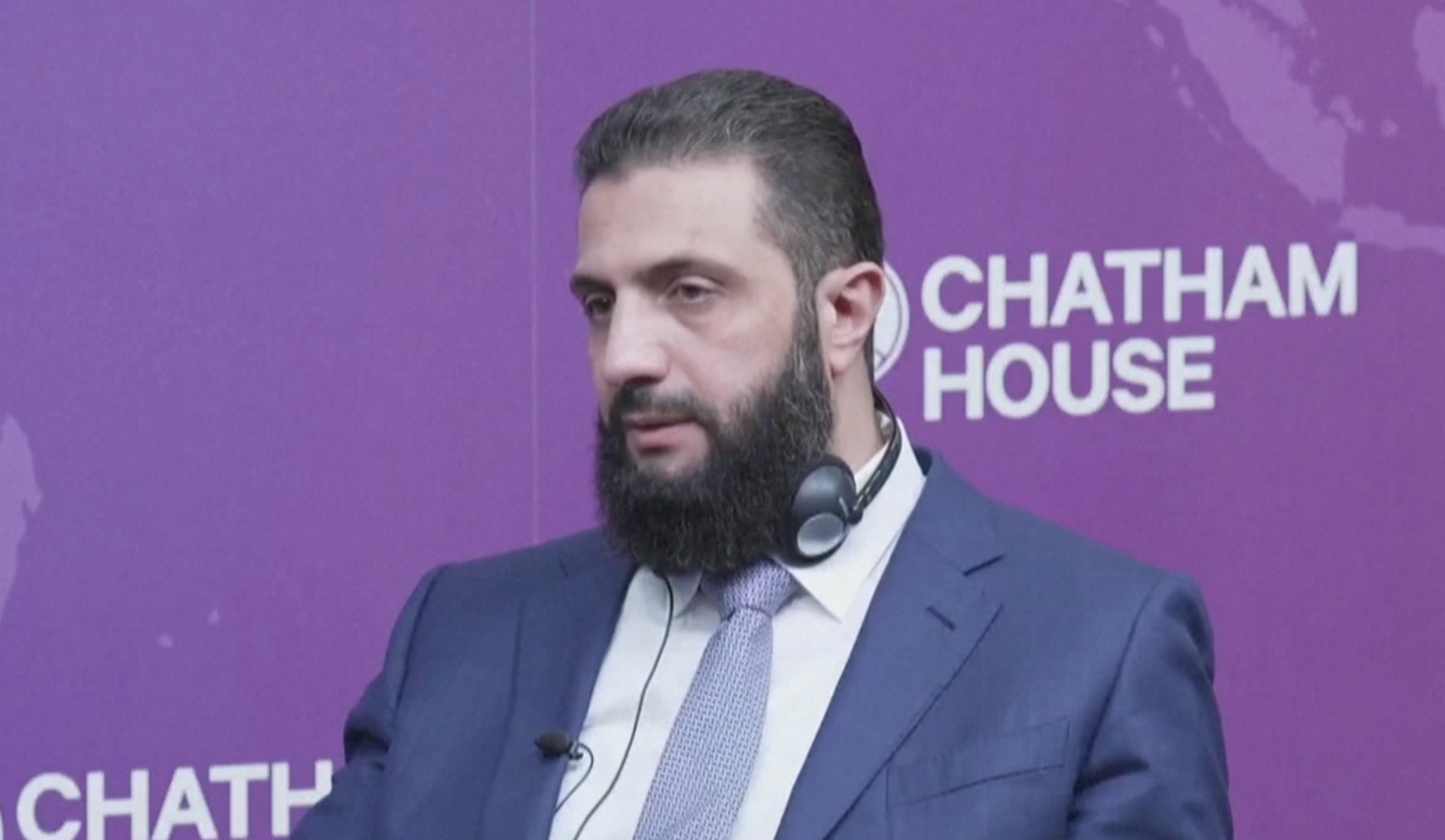

The MENA region stands at a pivotal juncture where protracted conflict, strategic investment flows, and evolving infrastructure frameworks converge to reshape the economic landscape across the Middle East and North Africa. Over the past quarter century, the depth of wartime engagement in Syria underscores the enduring consequences for regional power dynamics—Syrian President Ahmed al-Sharaa’s unequivocal rejection of US-Israel military intervention against Iran signals a recalibrated stance rooted in territorial sovereignty. This development amplifies geopolitical uncertainty and accentuates the imperative for regional actors to diversify their strategic partnerships, particularly as sovereign capital flows increasingly gravitate toward states that can offer alternative alignment without entanglement in traditional conflict zones.
This strategic recalibration reverberates beyond state-level diplomacy, compelling venture capitalists to recalibrate their investment theses toward ventures with demonstrable resilience amid instability. Sovereign capital continues to filter through, favoring market leaders that exhibit robust risk mitigation and long-term vision—capabilities particularly vital as investment vehicles recalibrate away from volatile environments. Concurrently, the need for technological infrastructure remains paramount; regional governments and private enterprises are channeling funds toward digital and green energy projects designed to bolster resilience, reduce dependence on oil dependency, and capture emerging market opportunities. The convergence of these forces illustrates the region’s transitioning architecture, whereby national ambitions, financial sophistication, and technological advancement jointly define the contours of a more adaptive and integrated future.
Regionally, infrastructure investments are accelerating forward with a dual emphasis on physical connectivity and digital transformation. Massive undertakings in transportation, energy, and urban development are no longer confined to national planning but are increasingly pursued through multilateral collaborations and joint ventures. The implications extend beyond immediate economic gains, facilitating a broader paradigm shift toward an interconnected MENA economy—one that balances sovereign imperatives with shared prosperity. As these developments unfold, the interplay of business acumen and geopolitical realism will ultimately determine whether the region capitalizes on its strategic evolution or remains ensnared by persistent conflict. In this complex inflection point, forged by experience and innovation, only resilience will secure lasting influence.