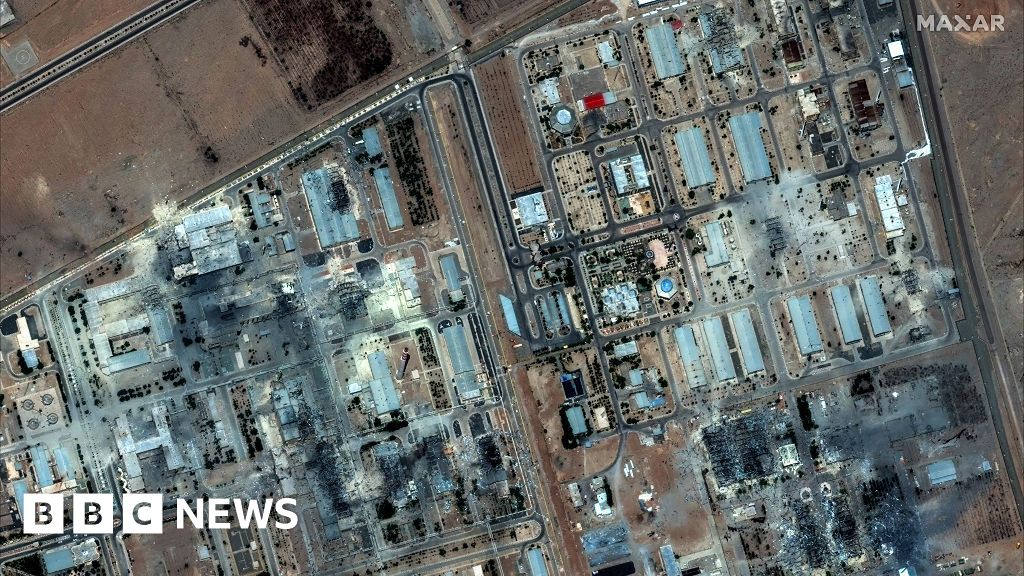

The Iranian government’s announcement of planned tolls for vessels transiting the Strait of Hormuz represents a significant escalation with profound implications for regional energy markets and sovereign financial strategies across the Middle East and North Africa. The imposition of these “rial toll systems,” as outlined by Iranian parliamentary sources, signals a deliberate attempt to exert greater control over a waterway of critical strategic importance, effectively transforming a previously contested transit route into a potential revenue stream for the Islamic Republic. This move directly challenges established maritime trade flows, particularly those reliant on the Organization of Petroleum Exporting Countries (OPEC) and necessitates immediate reassessment of risk profiles for insurers and shipping companies operating in the region.
The potential impact on sovereign capital investment within the MENA region is considerable. Increased geopolitical uncertainty stemming from the Strait of Hormuz blockade is already dampening investor sentiment, particularly concerning projects reliant on oil and gas exports. Furthermore, the prospect of Iranian revenue generation through transit fees could reshape regional financial dynamics, potentially diverting capital away from traditional investment corridors and towards more secure, albeit higher-cost, alternatives. We anticipate a surge in demand for sovereign wealth fund diversification strategies, with a renewed focus on assets outside the immediate region, alongside increased scrutiny of existing investments in Iran-adjacent economies. Venture capital firms, too, will likely curtail investments in sectors directly tied to Iranian trade, prioritizing resilience and geopolitical stability.
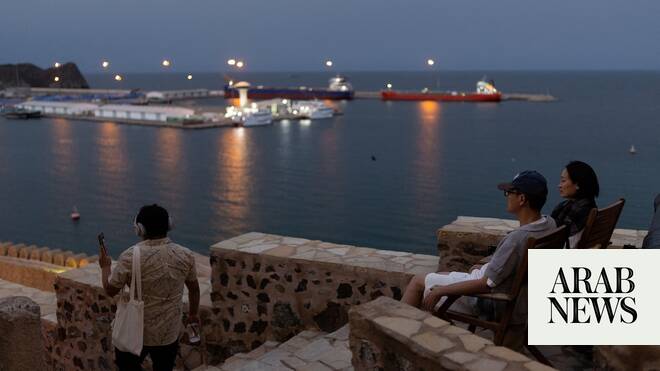
Crucially, the development underscores the evolving role of venture capital in navigating the region’s heightened instability. While traditional investment in sectors like fintech and digital infrastructure – often viewed as engines of economic diversification – will likely remain, a greater emphasis will be placed on technologies supporting supply chain resilience, cybersecurity, and alternative transportation routes. Oman, highlighted in the reporting as a key partner in implementing this toll system, stands to benefit from increased strategic importance, potentially attracting investment in port infrastructure and logistics capabilities. However, the broader infrastructure implications extend beyond Oman; the need for redundant shipping lanes and alternative energy transport routes will necessitate substantial investment across the GCC and North Africa, accelerating existing diversification efforts.
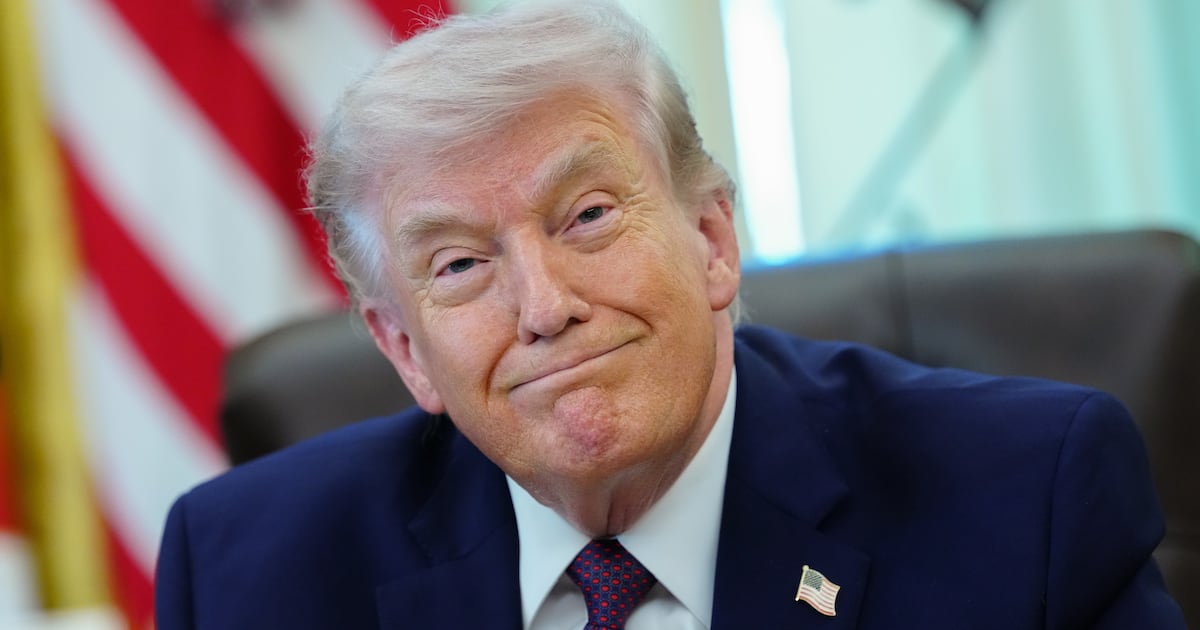
Finally, the fluctuating access granted to vessels through the Strait – evidenced by the reported shifts in passage approvals between Iranian and US administrations – highlights the precarious nature of regional stability. The reported 20 additional ships permitted transit, coupled with Trump’s assertion of a “goodwill gesture,” suggests a tentative, and potentially fragile, diplomatic effort. However, the underlying strategic imperative – Iranian control over the Strait – remains unchanged. Continued volatility in this critical waterway will undoubtedly fuel heightened security spending, exacerbate existing economic vulnerabilities, and necessitate a sustained, coordinated regional response focused on mitigating risk and safeguarding vital trade routes.