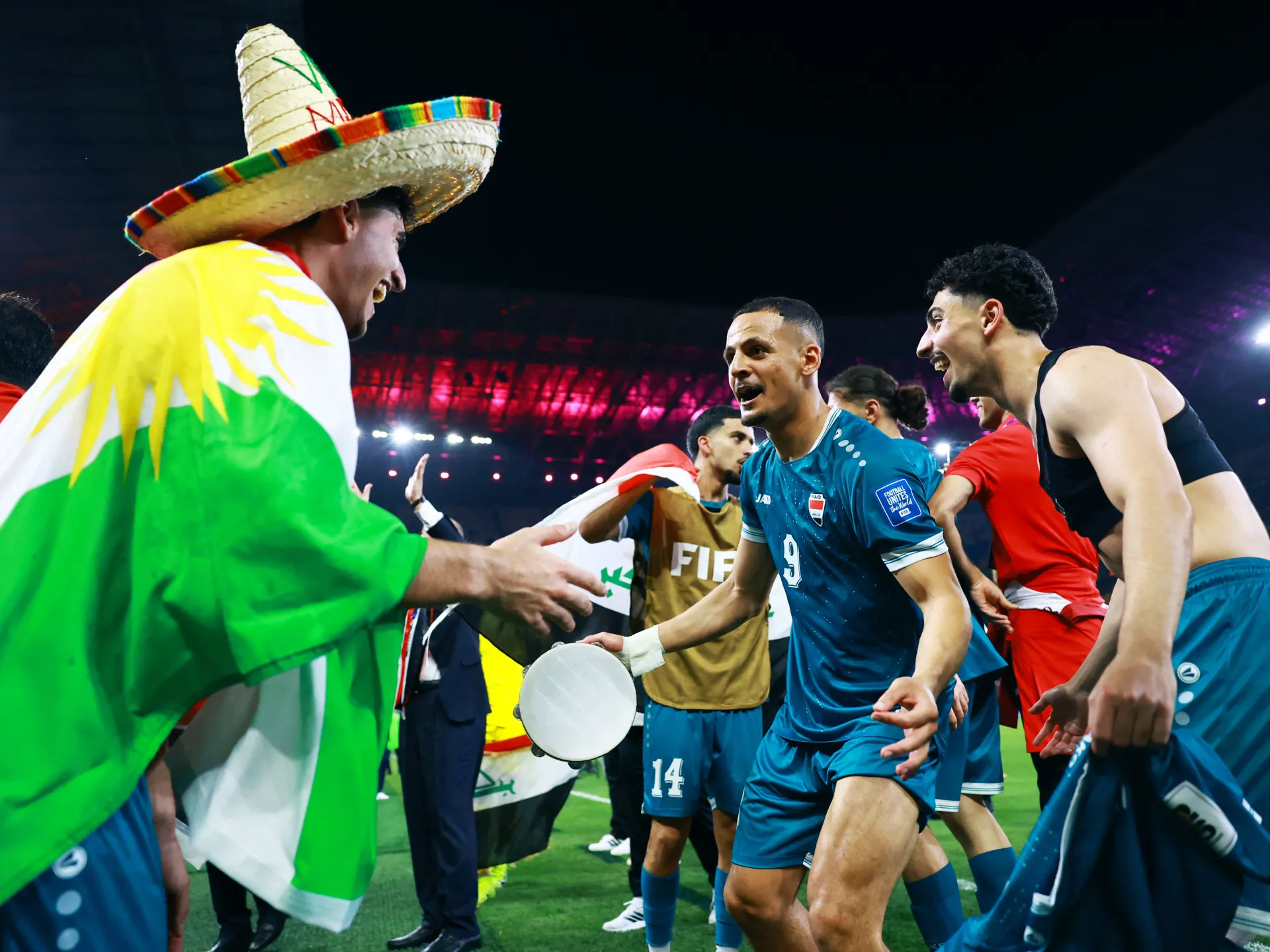

Iraq’s qualification for the 2026 FIFA World Cup, secured with a 2-1 victory over Bolivia, represents a significant, albeit contextually complex, development for the Middle East and North Africa (MENA) region. While seemingly a sporting achievement, the journey underscores the evolving interplay between sovereign capital, burgeoning venture capital, and the critical need for regional infrastructure development to support future sporting and economic ambitions. The match, played amidst ongoing geopolitical instability in the region, highlights the resilience and determination of national institutions to pursue strategic goals even under challenging circumstances.
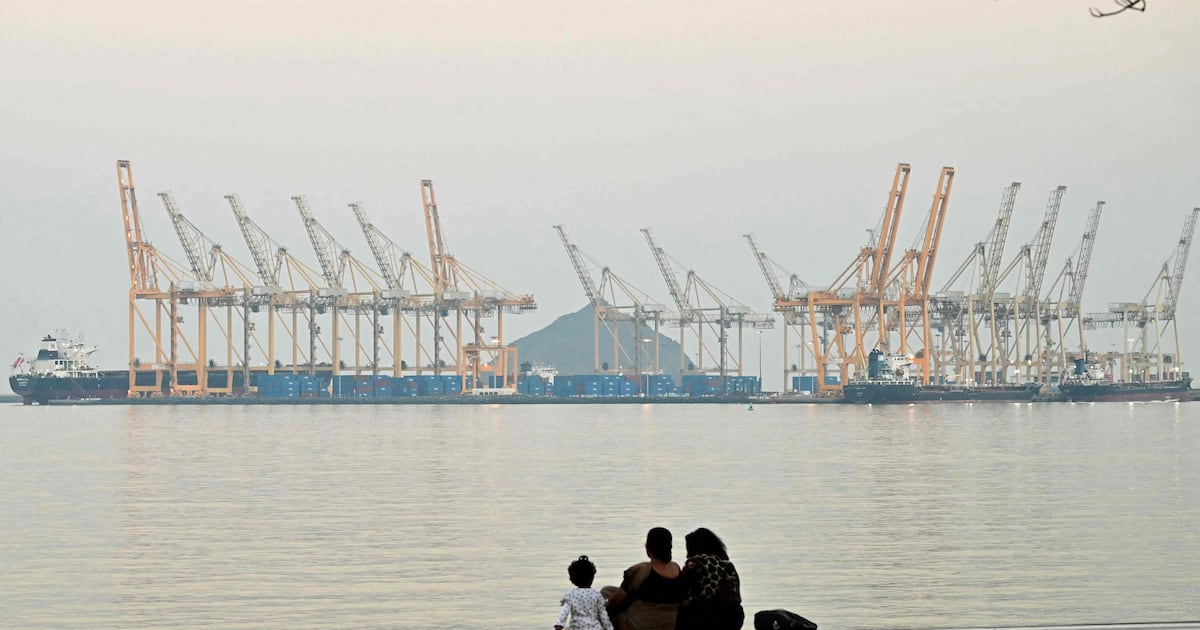
The business impact of Iraq’s World Cup participation extends beyond national pride. It provides a valuable, albeit limited, platform for attracting foreign direct investment (FDI) into sectors such as tourism and sports infrastructure. While the immediate financial returns may be modest, the heightened international visibility can catalyze long-term economic development. This necessitates strategic allocation of sovereign capital towards upgrading existing infrastructure – airports, transportation networks, and hospitality facilities – to accommodate increased travel and potential future sporting events. Moreover, the ambition to host such events can stimulate domestic venture capital interest in related sectors like media production, event management, and digital platforms, requiring a supportive regulatory environment and clear investment guidelines.
The logistical challenges encountered by the Iraqi national team, stemming from regional conflict and travel disruptions, underscore a critical infrastructural gap within the MENA region. Efficient and reliable transportation networks are fundamental for facilitating business travel, sports participation, and overall economic integration. The reliance on charter flights and the complexities of coordinating international travel highlight the need for significant investment in regional air connectivity and streamlined visa processes. Furthermore, developing robust digital infrastructure is crucial for enhancing communication and logistical coordination within the region, impacting everything from supply chain management to event organization. Successful future engagement in international arenas, both sporting and economic, hinges on addressing these infrastructural deficits.
Looking ahead, Iraq’s World Cup participation serves as a microcosm of the broader regional trajectory. It demonstrates a growing ambition to engage with the global stage, underpinned by a renewed focus on national identity and aspiration. However, sustained progress will require a concerted effort to leverage sovereign wealth effectively, cultivate a vibrant venture capital ecosystem, and prioritize critical infrastructure development. The lessons learned from navigating travel chaos and logistical hurdles will inform future strategic planning, reinforcing the importance of regional cooperation and investment in resilient and interconnected systems to unlock wider economic opportunities and enhance the region’s global competitiveness.