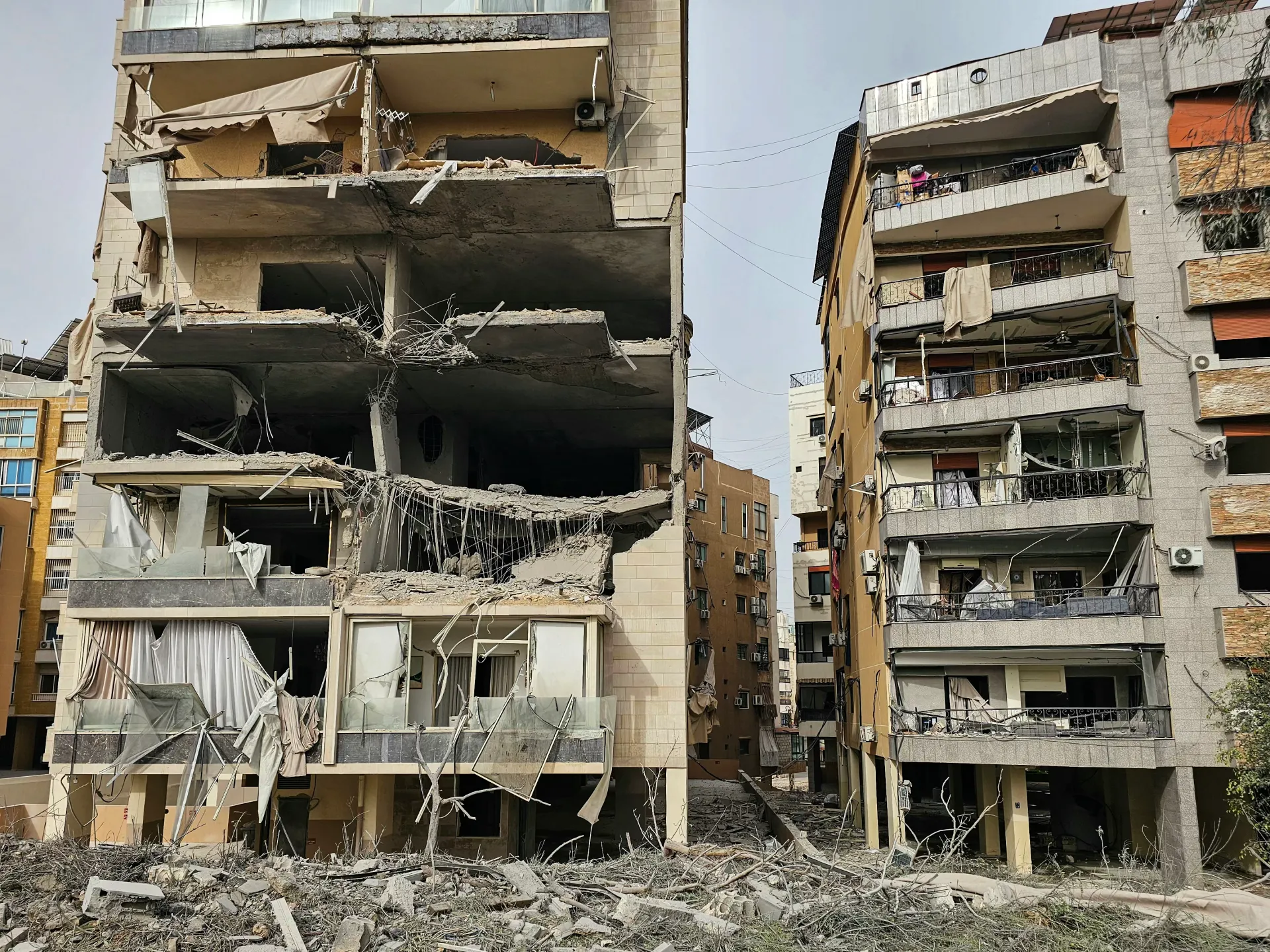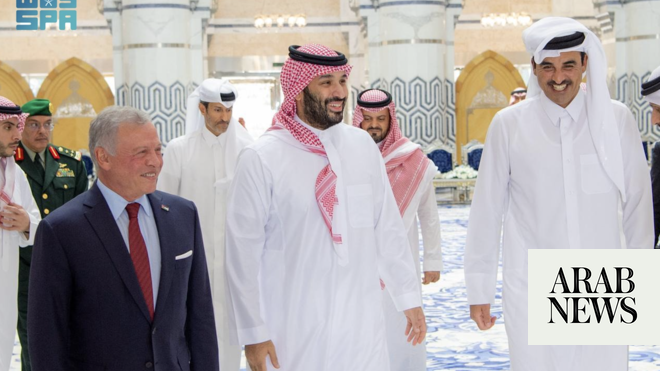

The recent high-level meeting in Jeddah involving Saudi Arabia, Qatar, and Jordan underscores the escalating geopolitical risks impacting the Middle East and North Africa. The discussions centered on the detrimental effects of ongoing military escalation, specifically focusing on the potential disruption to global energy supplies and the vulnerability of critical infrastructure across the region. While the precise nature of the military actions remains contested, the consensus among the participating leaders is clear: continued Iranian aggression poses a significant threat to regional stability and international trade routes.
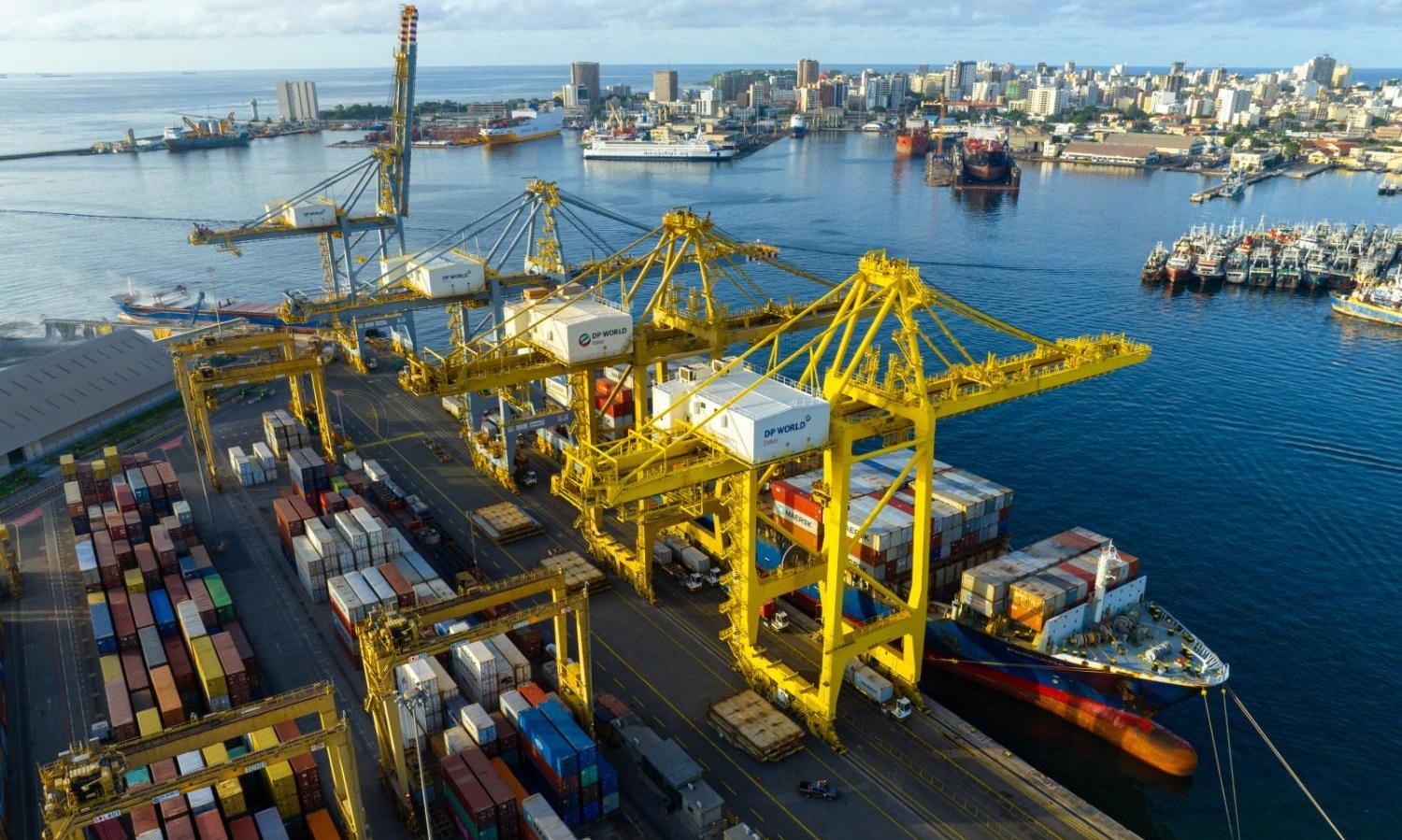
This heightened security environment carries profound business implications. Sovereign wealth funds (SWFs) in the region are increasingly reassessing their investments, factoring in geopolitical risk premiums and potential disruptions to supply chains. Venture capital activity is likely to remain cautious, with investors prioritizing sectors demonstrating resilience and offering diversification. The focus is shifting towards companies with strong cybersecurity postures and those operating in essential sectors like energy, transportation, and defense. This trend is driving increased investment in regional infrastructure projects focused on bolstering resilience – particularly in areas like port security, energy grid protection, and digital connectivity to facilitate remote monitoring and response.
The meeting’s emphasis on coordinating joint efforts to enhance regional security has significant implications for the future of the MENA region’s economic growth. A more cooperative security framework could foster greater stability, unlocking opportunities for increased trade and investment. However, real progress will hinge on demonstrating sustained commitment to de-escalation and verifiable security measures. The potential for increased defense spending within the region represents a nascent opportunity for regional defense contractors and technology providers. Furthermore, enhanced digital infrastructure, including secure communication networks and advanced cybersecurity solutions, is becoming increasingly vital for businesses to navigate the evolving security landscape and maintain operational continuity. Sovereign capital will play a critical role in funding these vital regional security investments.
Ultimately, the dynamics between these regional powers and the implications of escalating conflicts are reshaping the investment landscape of the Middle East and North Africa. While the immediate focus remains on managing the current crisis, the long-term trajectory of the region’s economic development will depend on its ability to build a more resilient and secure future. This requires a sustained commitment to regional cooperation, proactive investment in critical infrastructure, and a cautious but strategic approach to risk management by both state and private actors. Failure to address these challenges will continue to impede the region’s potential for sustained economic diversification and growth.