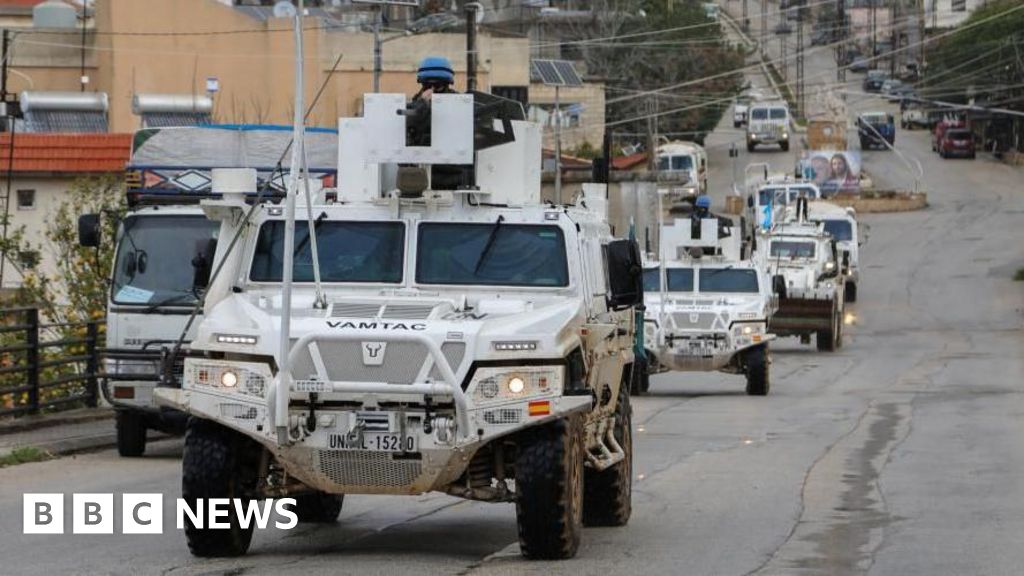

The tragic loss of three Indonesian peacekeepers, two in Lebanon and one previously reported, underscores a critical, albeit often overlooked, vulnerability within the region’s burgeoning technology and infrastructure development plans: the reliance on international labor pools. While the Middle East and North Africa (MENA) region aggressively pursues ambitious projects – from Neom in Saudi Arabia to renewable energy hubs across the UAE and burgeoning data center clusters in Bahrain – the sheer scale of these endeavors necessitates a significant influx of skilled and unskilled foreign workers. This dependence, while currently facilitating rapid growth, introduces systemic risks related to geopolitical instability, logistical complexities, and, as tragically demonstrated, potential security threats impacting project timelines and escalating operational costs. Sovereign wealth funds, the primary engines of these developments, must now factor in enhanced risk mitigation strategies encompassing worker safety, insurance, and potentially, localized training initiatives to reduce reliance on external labor over the long term.
The business impact extends beyond immediate project delays and reputational damage. The incidents highlight the fragility of supply chains and the potential for unforeseen disruptions to ripple through complex, multi-national projects. Venture capital firms, increasingly active in the MENA tech ecosystem, are likely to scrutinize investment targets more rigorously, particularly those heavily reliant on imported labor. Due diligence processes will need to incorporate detailed assessments of worker safety protocols, security measures, and contingency plans for managing potential crises. Furthermore, the events may accelerate the push for greater automation and localization of skills, potentially shifting investment priorities towards technologies that reduce the need for human capital, particularly in high-risk environments. This could benefit regional robotics and AI startups, but also necessitate significant investment in education and vocational training programs.
Sovereign capital deployment will likely be affected, with a greater emphasis on projects demonstrating resilience and robust risk management frameworks. We anticipate a shift towards investments in regional infrastructure that minimizes reliance on international labor, such as renewable energy projects utilizing automated construction techniques or data centers with advanced security protocols. The role of regional development banks, like the Islamic Development Bank (IsDB) and the Abu Dhabi Fund for Development (ADFD), will become increasingly important in providing concessional financing and technical assistance to support these localized solutions. Moreover, the incidents may prompt governments to review and strengthen labor laws and regulations, ensuring the protection of foreign workers and fostering a more stable and predictable operating environment for international businesses.
Ultimately, the events serve as a stark reminder that the rapid transformation underway in the MENA region cannot be achieved solely through capital injection and technological innovation. A sustainable and resilient growth model requires a holistic approach that prioritizes the safety and well-being of all stakeholders, including the international workforce. Failure to address these underlying vulnerabilities will not only impede progress but also expose the region’s ambitious development plans to unforeseen and potentially catastrophic disruptions, impacting investor confidence and ultimately, the long-term success of these transformative projects.