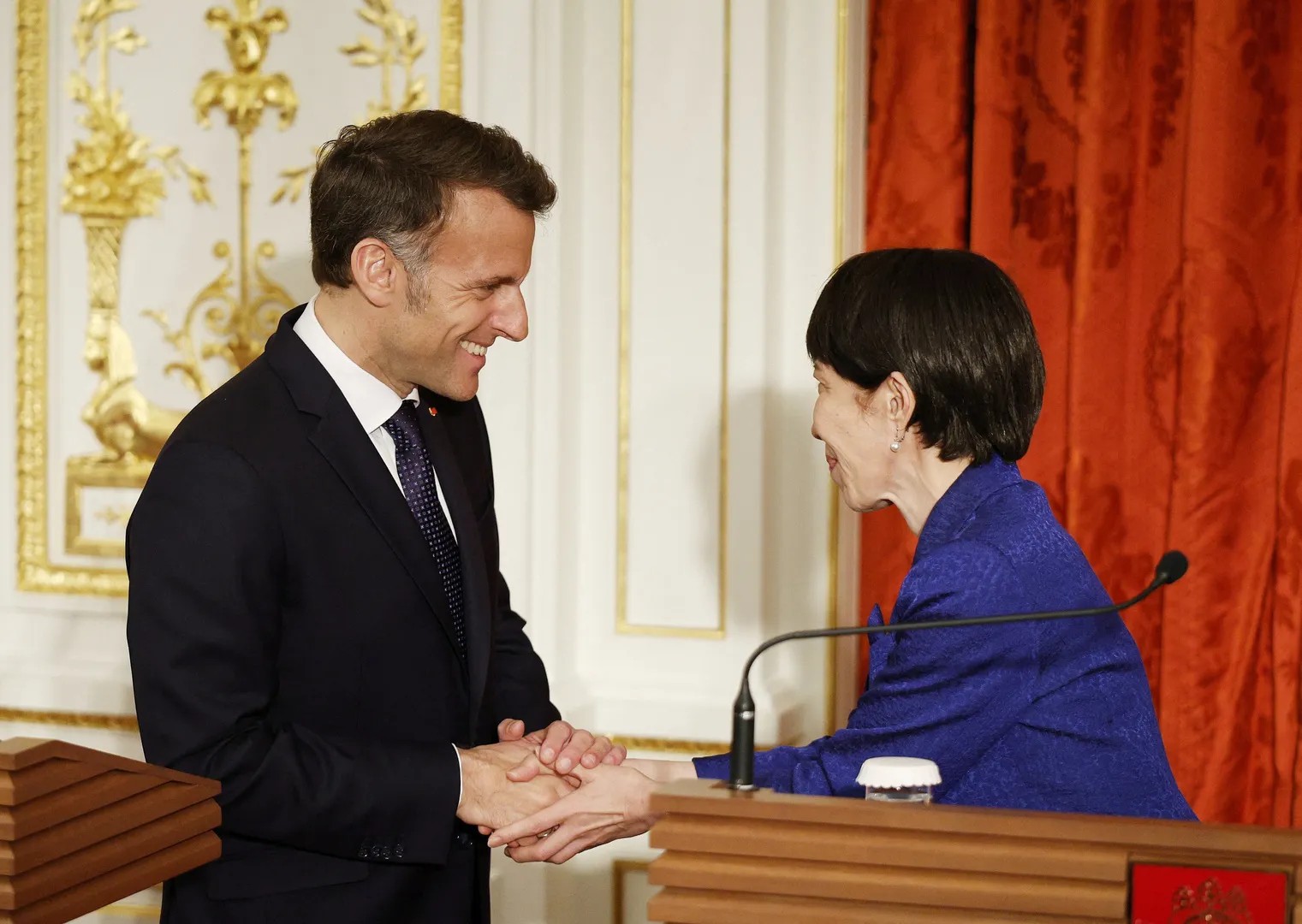

The escalating tensions between the United States and Iran, now manifesting in a military exchange, are triggering a significant ripple effect across the Middle East and North Africa, demanding a reassessment of regional financial stability and technological development. Recent discussions between French President Macron and Japanese Prime Minister Takaichi, focused on upholding international law and addressing the economic fallout of this conflict, underscore the broader implications for the region’s geopolitical landscape. This event highlights a critical juncture for sovereign wealth funds and venture capital activity within the MENA bloc.
The immediate business impact is substantial. Increased geopolitical risk is already dampening investor sentiment, leading to a flight to safety and a contraction in capital flows into traditionally favored sectors like energy and infrastructure. Sovereign wealth funds, particularly those in Saudi Arabia, the UAE, and Qatar, are likely to prioritize defensive strategies – bolstering existing reserves and diversifying into less volatile asset classes. Simultaneously, venture capital firms are scaling back investments in high-risk, frontier markets, shifting focus towards more established sectors within existing economies, such as fintech and cybersecurity, where operational resilience is paramount. The disruption to global supply chains, exacerbated by the conflict, will further impact regional manufacturing and logistics, necessitating accelerated investment in domestic production capabilities and alternative trade routes.
Crucially, the conflict is accelerating the push for technological self-reliance within the MENA region. Governments are recognizing the vulnerability of relying on external technologies and are incentivizing domestic innovation in critical areas like defense, communications, and renewable energy. This is driving increased investment in local tech ecosystems, fostering partnerships between regional startups and established international firms, and stimulating the growth of specialized industries. Furthermore, the need for enhanced digital infrastructure – including secure communication networks and data centers – is becoming increasingly urgent, presenting significant opportunities for companies specializing in telecommunications and cloud computing. The demand for advanced surveillance and intelligence technologies is also expected to rise, potentially raising ethical concerns that require careful consideration.
Looking ahead, the long-term implications for regional infrastructure are profound. The instability necessitates a strategic re-evaluation of investment priorities, with a greater emphasis on resilient and diversified infrastructure projects. This includes bolstering energy grids, developing alternative transportation networks, and investing in digital connectivity to mitigate the impact of potential disruptions. Moreover, the conflict is likely to accelerate the adoption of blockchain and decentralized technologies for secure financial transactions and supply chain management, offering a pathway towards greater economic autonomy. Ultimately, the MENA region’s ability to navigate this crisis will hinge on its capacity to leverage technological innovation, strategically deploy sovereign capital, and foster a more resilient and diversified economic base – a challenge demanding coordinated regional policy and a long-term vision for sustainable growth.