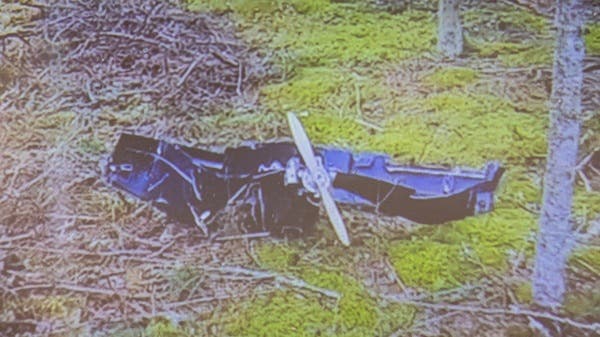

The detection of a foreign drone on the frozen terrain near Finland’s eastern border with Russia underscores an emerging pattern of technological escalation influencing the security calculus in Northern Europe. Beyond the immediate military implications, this incident has the potential to prompt a reassessment of sovereign defense spending and technological investment across the Baltic and Nordic regions, with cascading effects on regional infrastructure development. Countries in the Middle East, observing such developments, may see heightened relevance for securing their own critical maritime and border zones using increasingly autonomous systems—particularly in light of prior subsea cable disruptions that aroused similar international concern.
For sovereign wealth funds and venture capital allocators in the Gulf and North Africa, the intersection of defense technology and critical infrastructure opens a new class of investment opportunities. With defense budgets expected to expand in the near future, building local UAS capabilities or investing in AI-enabled border surveillance could align with broader national security strategies. Gulf states, in particular, may accelerate efforts to establish indigenous drone manufacturing and cybersecurity industries, partly driven by lessons emerging from Ukraine’s broad deployment of expeditionary drone fleets and its cascading impact on regional deterrence postures.
Infrastructure financing in the MENA region is likely to reflect these geopolitical shifts, as governments channel capital toward dual-use technologies that both enhance operational resilience and foster export market positioning. Sovereign-backed venture arms may seek stakes in startups specializing in long-range reconnaissance, counter-UAS technologies, or electrified autonomous systems, recognizing strategic alignment with defense priorities while ensuring high-growth potential. The cross-pollination of military innovation, commercial agility, and regional connectivity agendas suggests that upcoming development cycles in technology corridors across the Gulf will increasingly be shaped by lessons emanating from flashpoints like the Baltic periphery.
In conclusion, Finland’s latest encounter with a foreign drone not only represents a strategic intelligence event for the Nordic-Baltic theatre but also signals a recalibration of risk perceptions that are influencing cross-border capital allocation strategies worldwide. MENA players, especially those positioned at the cusp of sovereign investment and technology commercialization, are poised to leverage this moment to advance indigenous defense industrial capabilities, fortify national security ecosystems, and expand influence within international technology value chains—ushering a new era for growth-stage funding, sovereign capital flows, and cross-regional infrastructure partnerships.