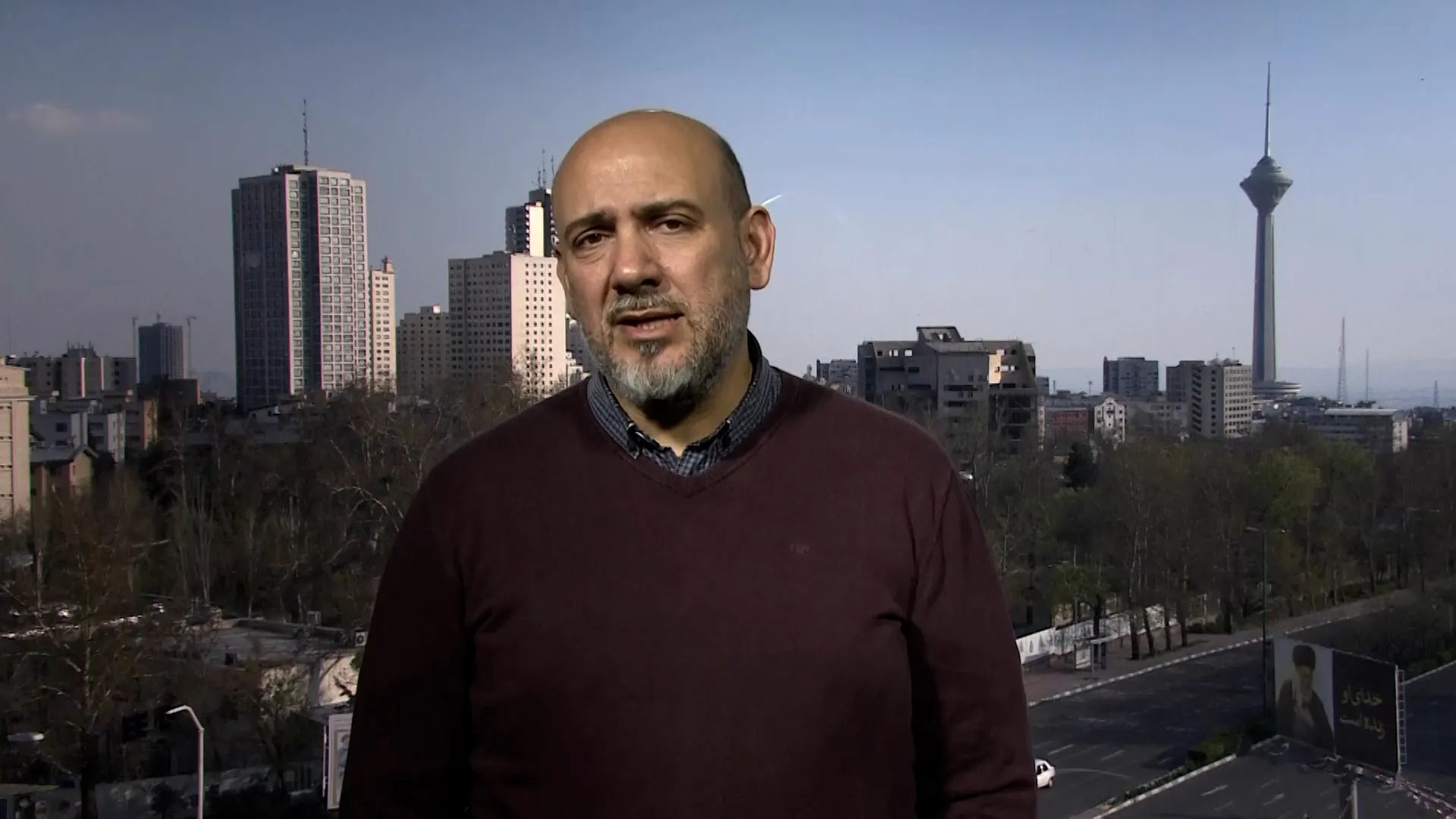

The April 2026 diplomatic dissonance between Washington and Tehran, crystallized by Tehran’s categorical dismissal of U.S.-proposed ceasefire overtures, reinforces a structural mandate for MENA institutional allocators: regional sovereign capital must now price geopolitical volatility as a permanent baseline rather than a transient risk. Gulf sovereign wealth funds and regional treasury desks are actively rebalancing exposures away from contested trade corridors and toward defensive, yield-preserving assets that decouple from episodic diplomatic shocks. This recalibration is driving significant capital flows into localized digital infrastructure, hardened energy grids, and strategic commodity reserves, effectively insulating state balance sheets from elevated maritime insurance premiums and supply chain fragmentation. Capital preservation frameworks are increasingly tied to domestic technological sovereignty, with sovereign mandates favoring infrastructure projects that guarantee operational continuity irrespective of external diplomatic signaling.
Within the regional venture capital ecosystem, this heightened macro uncertainty is accelerating a decisive pivot toward capital-efficient B2B enterprise software, fintech, and climate-resilient technology stacks. Early-stage funds operating out of primary financial hubs are compressing deployment horizons and introducing stricter geopolitical risk covenants, effectively raising hurdle rates for hardware-heavy or cross-border logistics startups exposed to sanction-sensitive supply chains. Limited partners are demanding localized hedging and clear regulatory exit pathways, which is naturally filtering out speculative capital while concentrating early-stage liquidity into scalable, compliance-forward platforms. The resulting market consolidation is catalyzing unprecedented syndication among state-backed accelerators and institutional family offices, pooling resources to scale homegrown cybersecurity infrastructure, AI-driven commodity pricing models, and sovereign data governance tools. MENA VC is consequently transitioning from growth-at-all-costs experimentation to disciplined, strategic tech nation-building.
Long-term regional infrastructure pipelines are undergoing a parallel structural overhaul, shifting strategic priority from cost optimization to systemic operational resilience. Institutional consortia and multilateral development entities are fast-tracking redundant digital fiber routes, secure subsea cable networks, and decentralized water-energy grids designed to bypass traditional transit zones vulnerable to blockade or diplomatic rupture. Sovereign debt markets are embedding structural risk premiums into project finance tranches, compelling developers to stress-test cash flows against elevated rerouting costs and war-risk insurance volatility before reaching financial close. Despite near-term liquidity constraints, the trajectory is unequivocal: institutional and venture capital will increasingly concentrate in technology-enabled infrastructure nodes that secure data sovereignty, energy independence, and alternative logistics pathways. Market participants who align deployment strategies with this paradigm of engineered resilience, rather than diplomatic speculation, will capture the alpha in MENA’s next capital cycle.