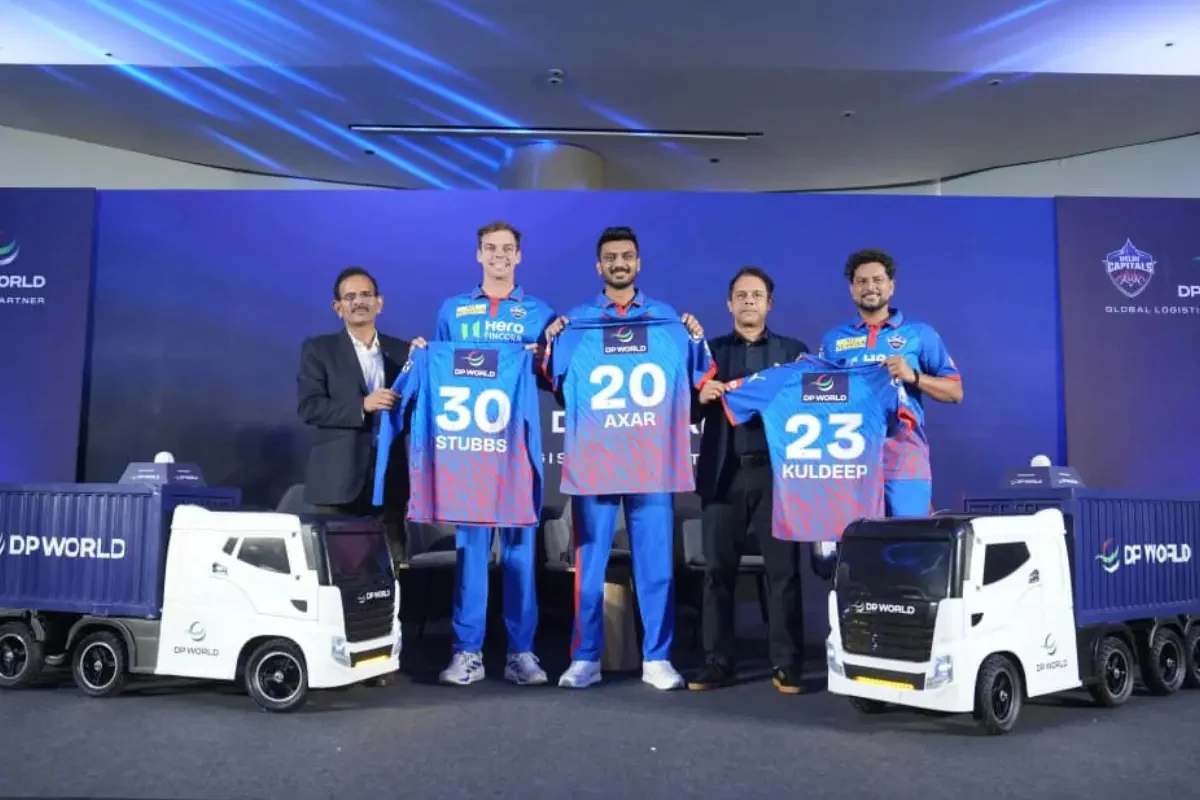

DP World’s renewed and expanded strategic alliance with Delhi Capitals, the Indian Premier League (IPL) franchise, signals a calculated effort to deepen its footprint in the Middle East and North Africa (MENA) through cross-border sports diplomacy and grassroots infrastructure development. The partnership, initially established as a platform for brand visibility and community engagement, now includes the launch of the DP World Delhi Capitals Arena in Gurugram—a dedicated facility offering 1,000 free play hours to foster cricket talent and fan interaction. This move, while appearing philanthropic, is rooted in a broader play to embed DP World’s logistics expertise within India’s rapidly urbanizing sports ecosystem, a market increasingly viewed as a linchpin for regional economic integration. By aligning with a global sports brand like the IPL, DP World not only diversifies its local outreach but also positions itself to capitalize on Mumbai’s emerging role as a nexus for tourism, cultural exchange, and investment in sport-adjacent infrastructure.
The investment in cricket infrastructure underscores a growing trend of sovereign capital mobilization toward “soft” development projects, leveraging sports as a bridge to enhance geopolitical ties and attract tourism-driven capital. For MENA nations grappling with domestic unemployment and the need to modernize public services, such initiatives serve dual purposes: they catalyze job creation in stadium operations and logistics while reinforcing the region’s branding as a hub for high-profile international events. However, the reliance on such partnerships raises questions about the allocation of sovereign resources. With MENA states competing for foreign investment in critical sectors like energy and infrastructure, this collaboration—while innovative—must be scrutinized for its alignment with national economic diversification mandates. The partnership’s emphasis on community engagement, devoid of direct capital infusion into broader infrastructure deficits, hints at a strategic gamble that prioritizes symbolic prestige over systemic reform.
Beyond its immediate branding gains, the Gurugram arena is emblematic of a trend where venture capital and private-sector collaboration fill gaps left by sluggish public investment in regions with strained fiscal frameworks. DP World’s arena, offering free access to aspiring athletes, could serve as a model for public-private partnerships (PPPs) in MENA, where underfunded sports development often stifles grassroots talent. Yet, the absence of sustained investment in regional transit systems—despite concurrent megaprojects like the $13 billion Riyadh Metro and the $44 billion port in Saudi Arabia’s Al Ghiddah—reveals a disconnect between fragmented infrastructure priorities and holistic economic planning. Such initiatives risk becoming isolated enclaves unless tied to broader ecosystems that connect tourism, logistics, and talent development with regional connectivity projects like the Red Sea Highway or the Belt and Road Initiative’s Middle East corridor.