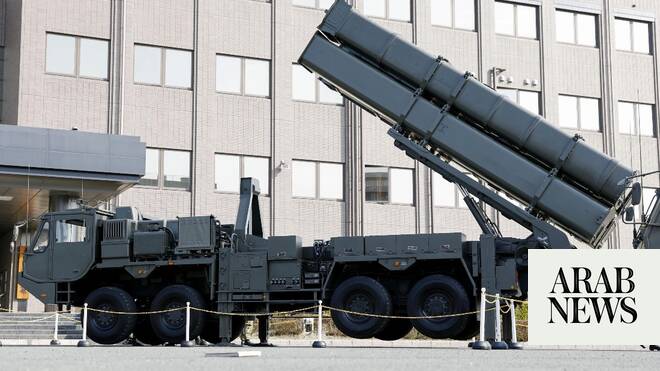

Japan’s recent deployment of long-range missile systems, including the upgraded Type-12 and hypersonic glide vehicles, represents a significant escalation in regional strategic dynamics with profound implications for the Middle East and North Africa. The expanded operational range of the Type-12, now capable of reaching mainland China, directly challenges existing security perceptions and necessitates a reassessment of defense postures across the MENA region. This shift underscores a broader trend of heightened geopolitical competition, mirroring the strategic calculations being made by nations like Saudi Arabia and the UAE as they navigate a volatile international landscape.
The sovereign capital and venture capital sectors within the Middle East are already exhibiting increased sensitivity to these developments. Investment flows are likely to be directed towards bolstering cybersecurity infrastructure and developing advanced surveillance technologies – areas directly relevant to countering potential missile threats. Furthermore, the planned deployment of US-made Tomahawk cruise missiles, coupled with Japan’s broader modernization program, will accelerate the demand for sophisticated maritime defense systems, creating opportunities for both established and emerging defense contractors within the region. Sovereign wealth funds, traditionally focused on diversified investments, are now likely to allocate a greater proportion of their portfolios to defense-related assets and strategic partnerships.
Crucially, Japan’s actions have significant infrastructure implications. The accelerated deployment schedule – encompassing Hokkaido, Miyazaki, and potentially other locations – demands substantial upgrades to existing logistical networks and transportation corridors. This will likely spur investment in enhanced port facilities, expanded airfields, and improved communication systems, mirroring the modernization efforts already underway in several MENA nations to bolster their own military capabilities. The increased focus on unmanned arsenals, a key component of Japan’s strategy, will also necessitate investment in drone manufacturing and related technologies, potentially fostering localized production capabilities in select countries within the region.
Finally, the heightened tensions surrounding China’s military activities, particularly the recent observation of Chinese aircraft carriers near Japanese islands, have amplified concerns about regional stability. Japan’s commitment to a “strike-back” capability, coupled with the escalating defense budget, signals a proactive approach designed to deter potential aggression. This dynamic is likely to further incentivize regional states to prioritize military modernization and strategic alignment, potentially leading to a more competitive and complex security environment across the Middle East and North Africa, demanding careful diplomatic maneuvering and strategic foresight from all involved parties.