
MENA Nations Accelerate Renewable Energy Push Amid Geopolitical Uncertainty
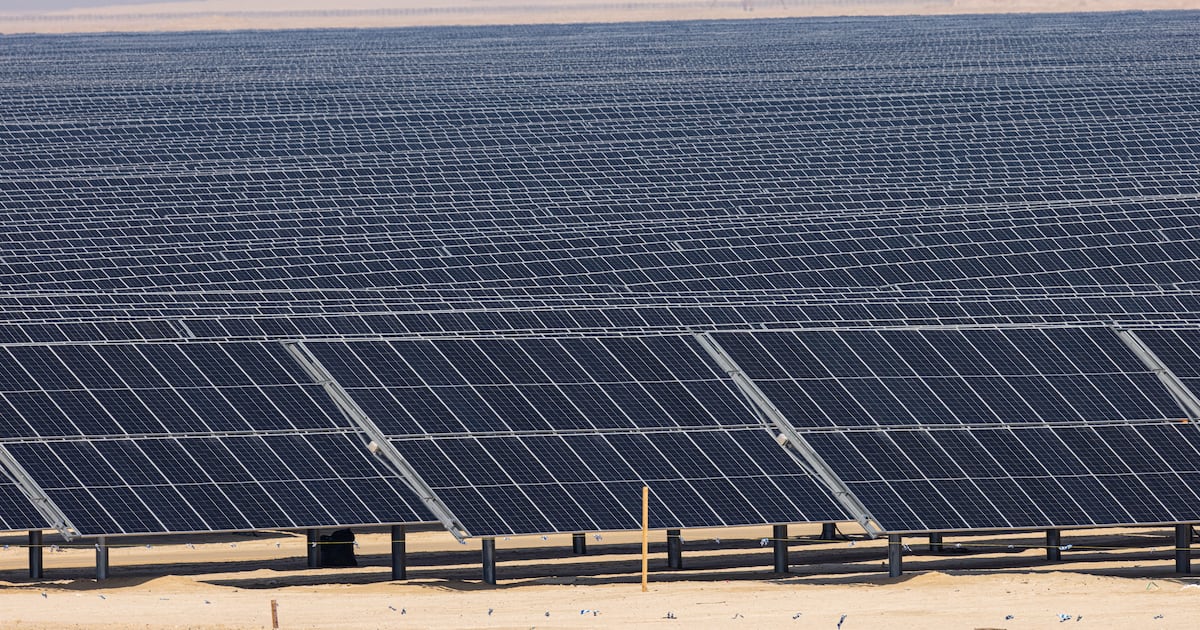
The Middle East is experiencing a surge in renewable energy capacity, driven by escalating geopolitical tensions and a strategic realignment of energy priorities. Last year witnessed a record 12.7 gigawatt increase in regional capacity, spearheaded by Saudi Arabia’s substantial 5.7 gigawatt expansion – an 87% year-on-year rise – highlighting a deliberate shift away from reliance on volatile fossil fuel markets. This growth, totaling 28.9% across the region, reflects a broader trend of sovereign wealth funds and national oil companies increasingly channeling capital into diversified energy portfolios. The International Renewable Energy Agency (IRENA) estimates that the Middle East now accounts for approximately 17% of global renewable capacity, a position bolstered by decreasing costs in solar and wind technologies, making them increasingly attractive alternatives.
This expansion is not merely a technological shift; it represents a fundamental restructuring of regional economic strategy. Sovereign capital, traditionally focused on oil and gas investments, is now demonstrably flowing into large-scale renewable projects, supported by government incentives and a recognition of long-term energy security. Venture capital interest is also rising, albeit at a nascent stage, with early-stage investments targeting localized energy storage solutions and smart grid technologies. However, significant infrastructure gaps remain, particularly in transmission and distribution networks, necessitating substantial investment to effectively integrate newly installed renewable capacity. The UAE, for example, is leveraging its logistical expertise to facilitate the export of renewable energy to neighboring countries, a move that could reshape the energy landscape of North Africa.
The current instability in the Middle East, fueled by the Iran-Israel conflict, has dramatically amplified the imperative for energy independence. IRENA’s assessment underscores that decentralized, home-grown renewable systems offer a crucial buffer against international market volatility, a particularly salient point for nations heavily reliant on imported hydrocarbons. While Asia currently leads in total renewable capacity, the Middle East’s rapid growth trajectory suggests a potential shift in the global balance. Looking forward, sustained investment in grid modernization, coupled with strategic partnerships between regional players and international technology providers, will be paramount to realizing the full potential of this burgeoning renewable energy sector.