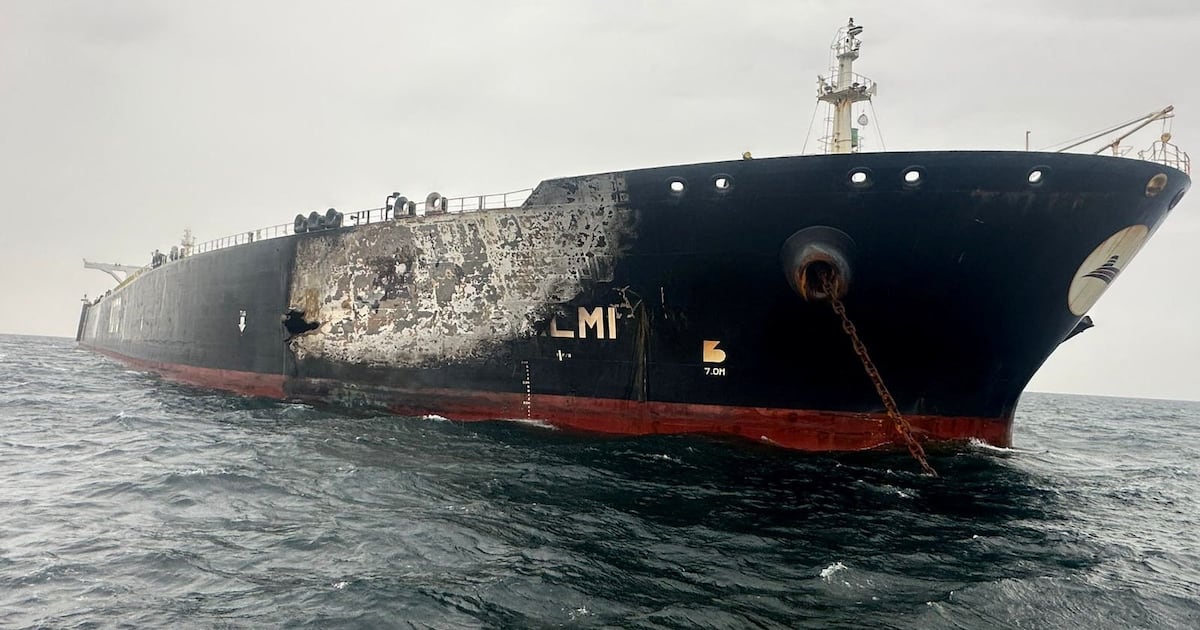

Recent geopolitical developments suggest the Strait of Hormuz, a critical artery for global energy supplies and regional trade, may soon revert to normal transit, fundamentally altering the economic calculus for the Middle East and North Africa (MENA). US defense expert Robert Greenway’s assertion that Iranian control over the waterway will dissolve within weeks, restoring unimpeded shipping, carries profound implications. This potential shift underpins renewed confidence in MENA’s economic prospects, directly influencing sovereign investment strategies and capital deployment across the region.
The prospect of stable maritime access catalyzes renewed interest in MENA’s sovereign wealth funds (SWFs) and central banks, which now face recalibrated risk assessments and opportunities. Previously constrained by regional instability, these vast pools of capital are increasingly directed towards infrastructure projects, renewable energy investments, and strategic industries poised for growth as global trade routes reopen. Concurrently, the anticipated stability accelerates venture capital inflows, particularly in tech sectors linked to logistics optimization, energy transition, and financial technology, positioning MENA as a potential hub for post-conflict investment and innovation.
Infrastructure development, long a bottleneck, is now a focal point for regional governments and international financiers. Enhanced port capabilities, expanded energy infrastructure, and advanced digital networks emerge as critical priorities, requiring substantial sovereign funding and attracting foreign direct investment. This convergence of geopolitical resolution, capital mobilization, and infrastructure investment underscores a pivotal moment for the MENA region, demanding sophisticated management of capital flows and strategic planning to harness the stability for sustainable, long-term economic diversification and resilience.