
Gulf Unity Calls for Hormuz De-Escalation Amid Iranian Strikes
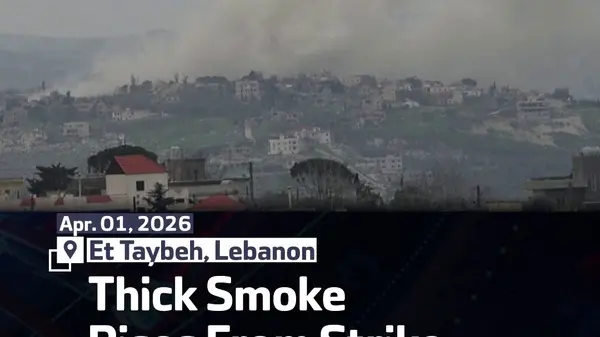
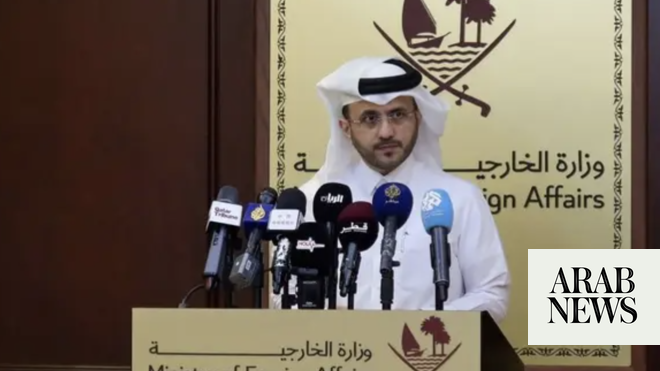
The Gulf Cooperation Council (GCC) states have issued a unified demand for a de-escalation of the ongoing regional conflict, specifically targeting the closure of the Strait of Hormuz and the persistent threat to hydrocarbon infrastructure, Qatar’s Ministry of Foreign Affairs announced Tuesday. This collective stance underscores the profound economic vulnerability faced by the region, where a critical maritime chokepoint sustaining global energy markets has been effectively severed. The attacks, predominantly attributed to Iran and its proxies, represent not merely a security crisis but a significant disruption to the sovereign capital and investment flows vital for regional development.
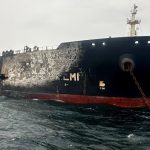
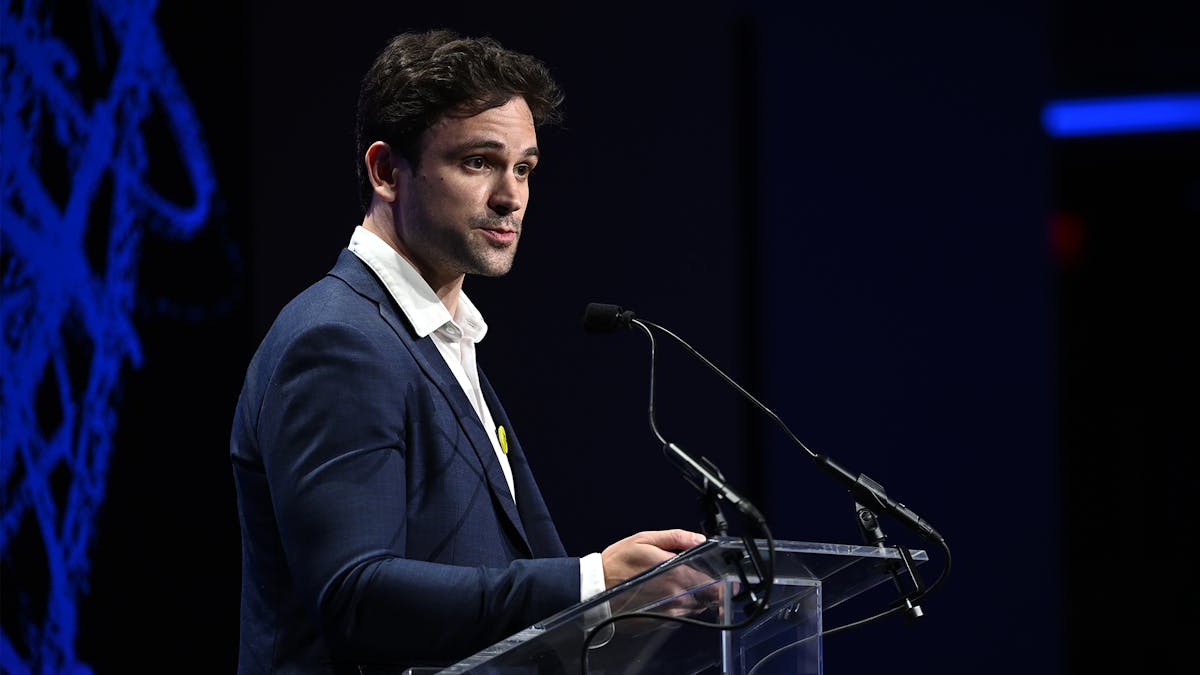
Qatar’s spokesman Majed Al-Ansari articulated the GCC’s position, emphasizing a shared recognition of the escalating threat. The cumulative impact of Iranian missile and drone strikes since late February has inflicted substantial damage on vital energy facilities across the Gulf, directly threatening the region’s hydrocarbon export capacity – a cornerstone of national budgets and sovereign wealth funds. The effective blockade of the Strait of Hormuz, through which a critical fifth of global oil shipments normally transit, transforms a localized military confrontation into an existential risk for global energy security and the economic stability of Gulf monarchies. This escalation has profound implications for regional infrastructure planning, necessitating urgent reassessment of supply chain resilience and potential diversification strategies for critical energy logistics.
The strategic closure of Hormuz, formalized by a parliamentary committee vote imposing tolls and bans on US and Israeli vessels, is a critical inflection point. Emirati Ambassador to Washington Yousef Al-Otaiba underscored the insufficiency of a mere ceasefire in his Wall Street Journal op-ed, arguing for a comprehensive strategy addressing Iran’s full spectrum of threats: nuclear capabilities, ballistic missiles, drone warfare, and maritime blockade tactics. This perspective aligns with the GCC’s collective threat assessment. The UAE has signaled its readiness to participate in an international initiative aimed at reopening the strait, signaling a potential shift towards multilateral security frameworks. Such a framework, potentially involving significant sovereign capital deployment and infrastructure investment to bolster maritime security and alternative transit routes, could redefine regional cooperation and attract strategic international partnerships, reshaping the risk-return calculus for regional venture capital and large-scale infrastructure projects. The Gulf states’ unified call for de-escalation is thus inextricably linked to safeguarding their economic sovereignty and the strategic infrastructure underpinning regional prosperity.