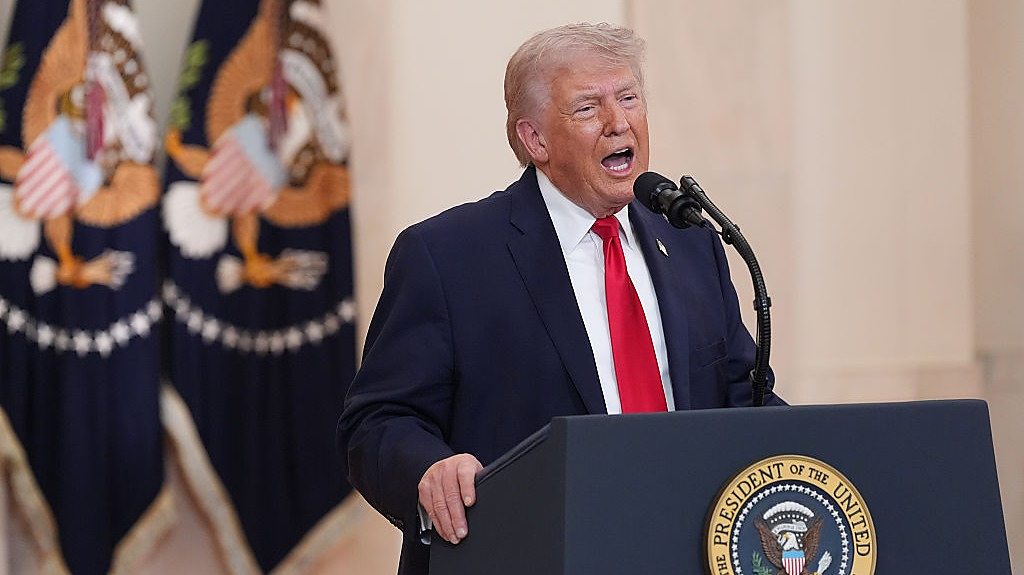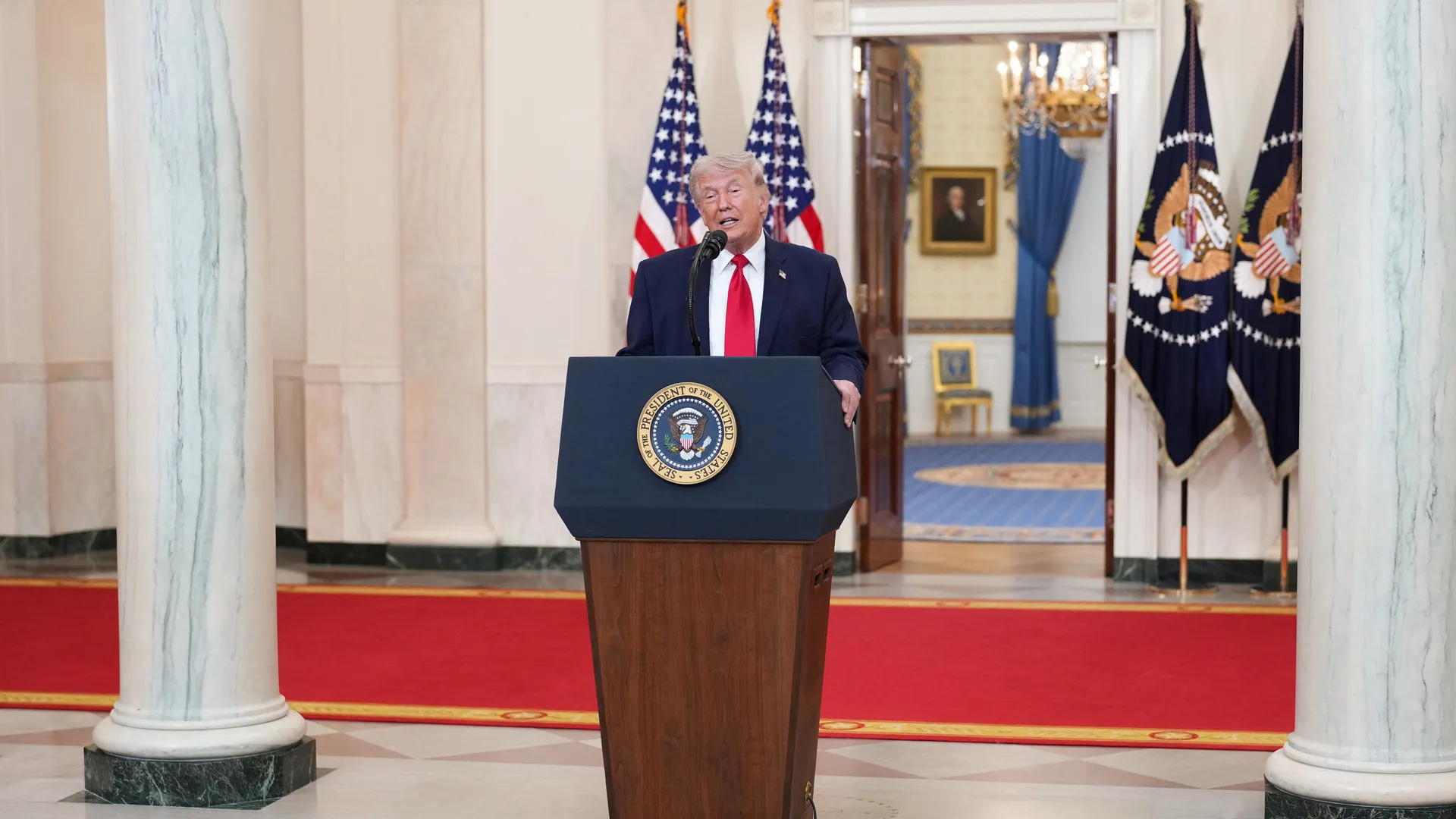

The geopolitical tensions surrounding Iran continue to exert significant pressure on regional capital flows and investment dynamics within the Middle East and North Africa (MENA), with profound implications for sovereign funds and venture capital ecosystems. Harlan Ullman’s characterization of President Trump’s address as a “victory speech for Iran” underscores the prevailing uncertainty that is likely to catalyze capital flight from the region and heighten risk aversion among institutional investors. This atmosphere of strategic instability directly impacts sovereign wealth fund (SWF) investment strategies, compelling many to adopt a more defensive posture, prioritizing capital preservation over aggressive regional expansion until the security landscape stabilizes. Concurrently, venture capital (VC) activity faces heightened scrutiny, as investors become increasingly cautious, potentially diverting focus from high-risk, high-reward MENA startups towards more predictable markets or sectors less exposed to geopolitical volatility.
The resultant capital flight and risk premium are exacerbating financing constraints across the region, placing additional strain on national infrastructure modernization initiatives. Sovereign capital, traditionally a critical driver for large-scale projects, is being reallocated towards safer assets or domestic stability measures, delaying critical upgrades to transportation, energy, and digital infrastructure. This creates a self-perpetuating cycle where deteriorating infrastructure further discourages foreign direct investment (FDI) and VC inflows, undermining long-term economic diversification goals and regional competitiveness. Infrastructure modernization, already a central pillar of many GCC and North African economic plans, is now critically dependent on navigating this volatile investment climate and securing alternative financing mechanisms.
Regional policymakers face an urgent imperative to mitigate these financial headwinds through transparent communication, demonstrable commitment to institutional reform, and accelerated efforts to de-risk investment environments. The ability of sovereign funds to deploy capital strategically during periods of uncertainty will be pivotal in maintaining momentum on key infrastructure projects. Simultaneously, fostering a resilient VC ecosystem requires concerted efforts to build investor confidence through regulatory clarity and supportive frameworks, particularly in technology and climate-focused sectors. The long-term economic vitality of the MENA region hinges on the capacity to decouple strategic security developments from economic momentum, ensuring sovereign capital and venture capital can flow effectively towards infrastructure and innovation, thereby anchoring stability amid geopolitical turbulence.