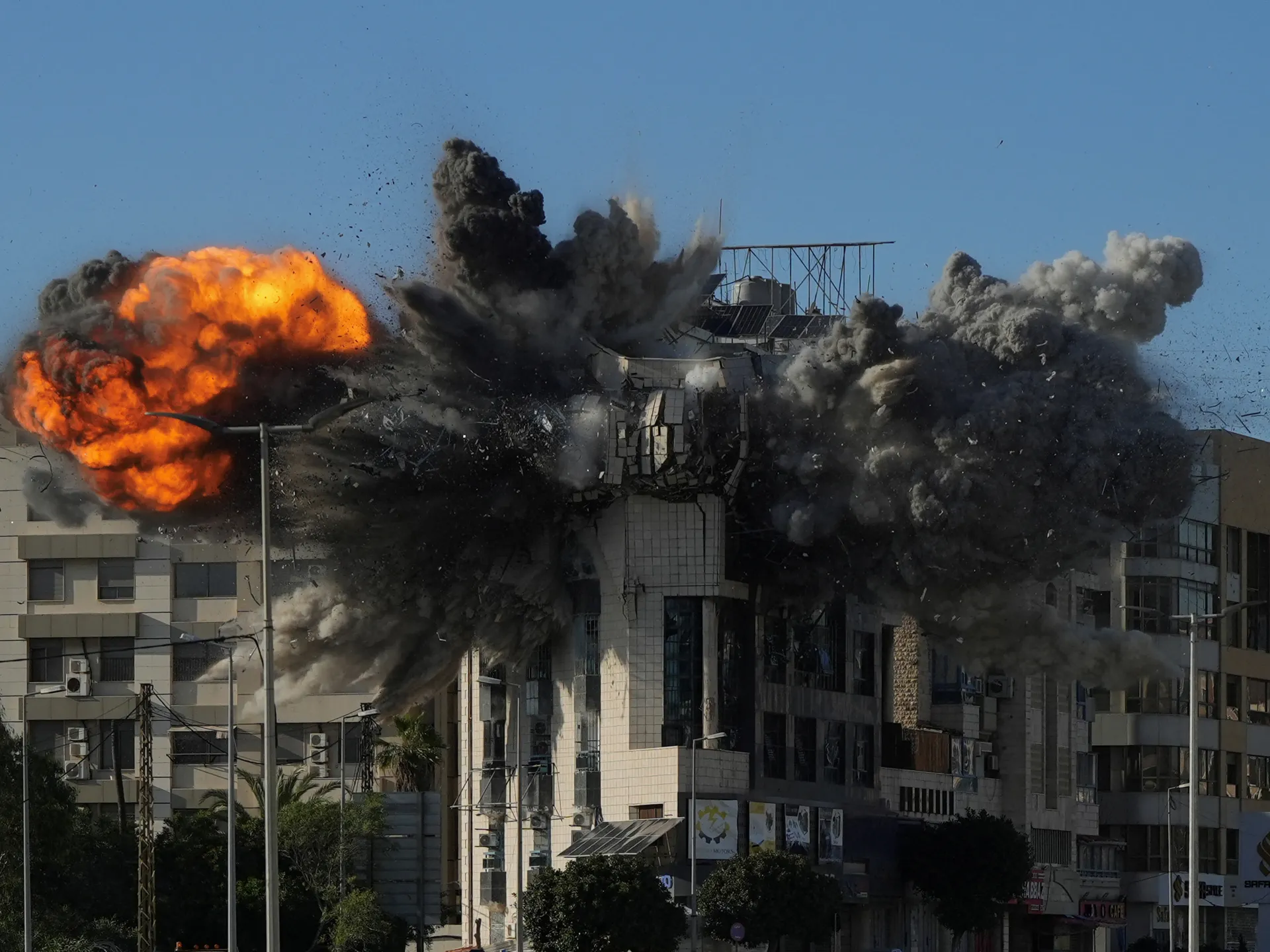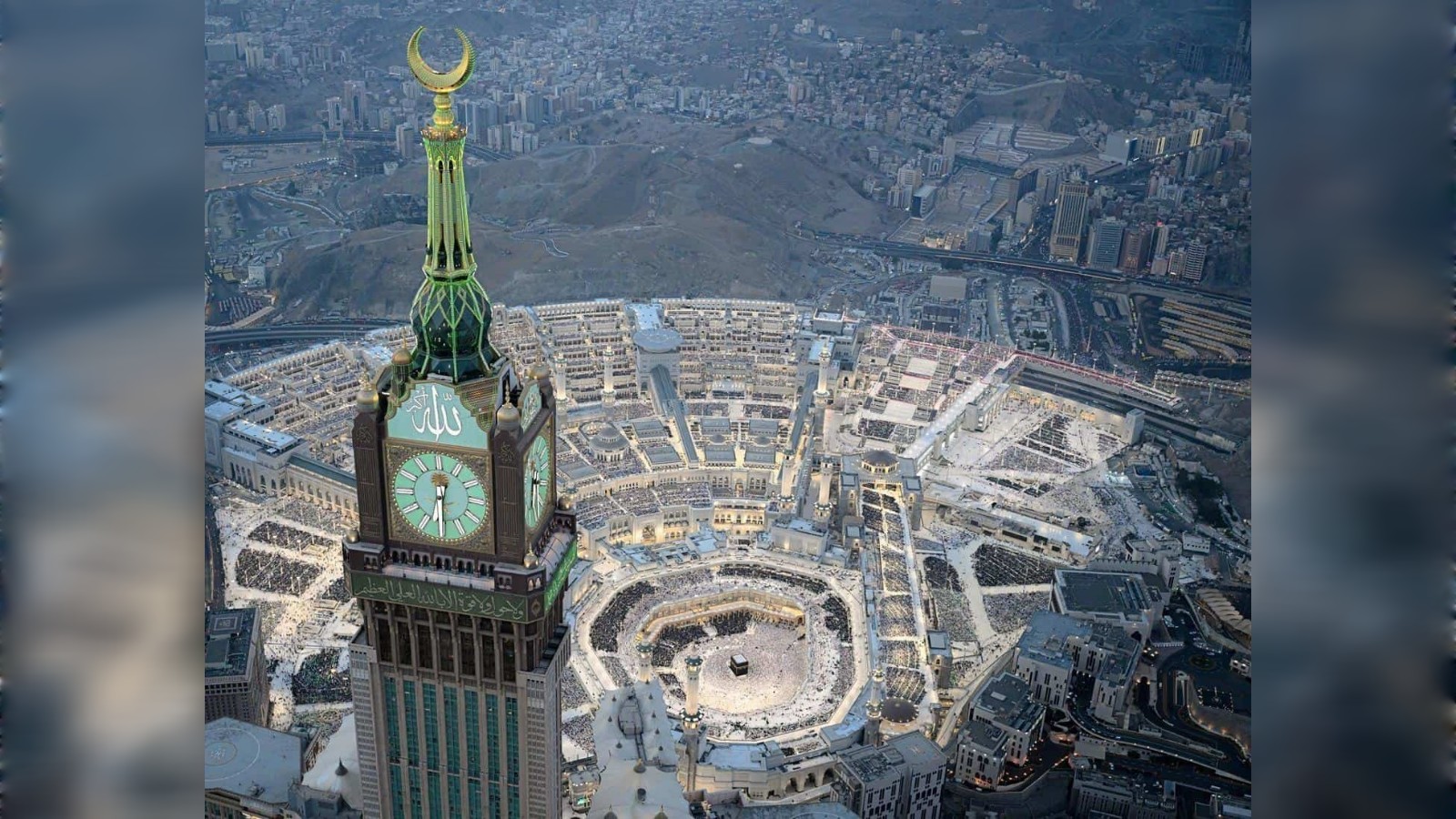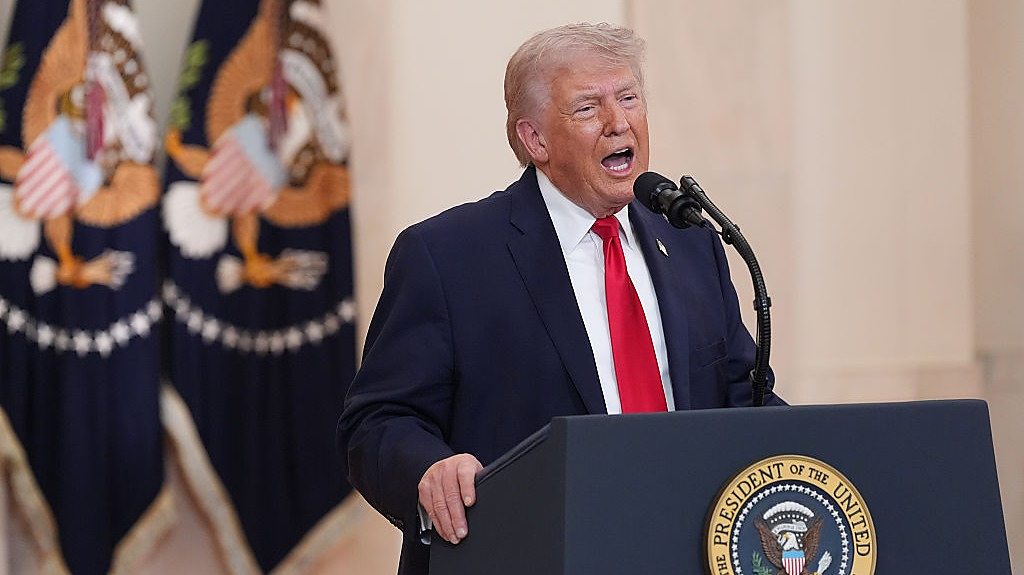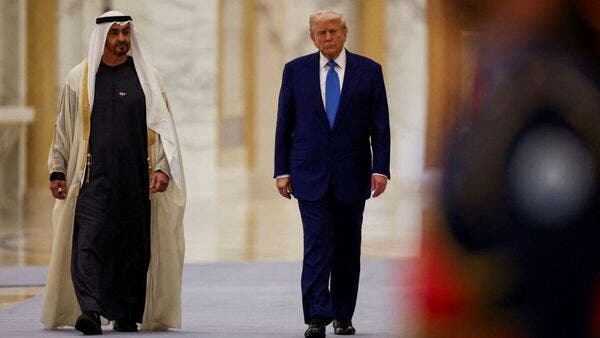

The recent phone call between UAE President Sheikh Mohamed bin Zayed and US President Donald Trump underscores the deepening strategic alignment between Gulf states and Washington amid escalating Iranian aggression, with profound implications for MENA region stability and global financial flows. The discussion of “Iranian terrorist aggression” targeting civilians and infrastructure highlights how sustained paramilitary pressures—including attacks on Gulf security infrastructure and energy facilities—are amplifying sovereign financial risks in the region. For Gulf states, which serve as critical anchors for international oil markets and logistics hubs, prolonged instability could disrupt trade routes, elevate defense expenditures, and strain sovereign capital reserves tasked with balancing fiscal sustainability and pandemic-era recovery needs. Such risks may accelerate Gulf nations’ efforts to diversify their economies, redirecting sovereign wealth fund capital toward regional infrastructure modernization and cybersecurity investments rather than speculative overseas ventures.
Venture capital and innovation ecosystems in the MENA region are also poised for disruption. The UAE’s push for economic diversification under Vision 2030—coupled with its status as the region’s largest recipient of foreign direct investment—faces headwinds from heightened geopolitical volatility. Iranian-backed proxy attacks on energy infrastructure and Red Sea supply chains could deter foreign venture capital inflows into Gulf startups, particularly in sectors like fintech, renewable energy, and AI, which rely on open regional supply networks. Conversely, Gulf sovereign capital may increasingly prioritize security-linked investments, including defense technology partnerships and DeFi platforms designed to mitigate sanctions threats, while the US-EU pivot to Indo-Pacific supply chains may further deprioritize MENA as a secondary growth frontier for global corporates.
The economic fallout extends to sovereign capital management across the broader Islamic world. Gulf oil revenues—propped up by Western arms sales and security guarantees—are increasingly channeled toward dual-purpose investments in regional infrastructure resilience and domestic economic reforms. For instance, the UAE’s recent pledges of $2 billion to rehabilitate Yemen’s port infrastructure after the 2022 Houthi attacks reveal a shift toward conflict mitigation strategies that prioritize preserving critical trade corridors. Meanwhile, rising defense costs and elevated insurance premiums for Gulf infrastructure projects, including solar farms and desalination plants, threaten to compress already stretched fiscal margins, prompting central banks to explore policy coordination frameworks with the US Federal Reserve and ASEAN nations to stabilize currency markets.
Infrastructure development remains the linchpin of MENA’s geopolitical rebalancing. The US-UAE dialogue implicitly acknowledges the region’s role as the nexus of Eurasian energy roadways, from the Strait of Hormuz to the Trans-Iranian Gas Pipeline, whose disruptions risk fragmenting global energy markets. Gulf states are now prioritizing dual-use infrastructure projects—such as blockchain-enabled trade finance platforms and carbon-neutral logistics corridors—that serve both domestic decarbonization goals and regional security imperatives. However, the reliance on petrodollar-backed investments to fund these projects could exacerbate debt vulnerabilities in smaller Gulf economies like Oman and Bahrain, necessitating tighter coordination between Gulf sovereign wealth funds, multilateral development banks, and private-sector investors to avoid sovereign default cascades in the event of prolonged conflict.