
OpenAI Investor Exodus Signals Wider Middle East Tech Reassessment
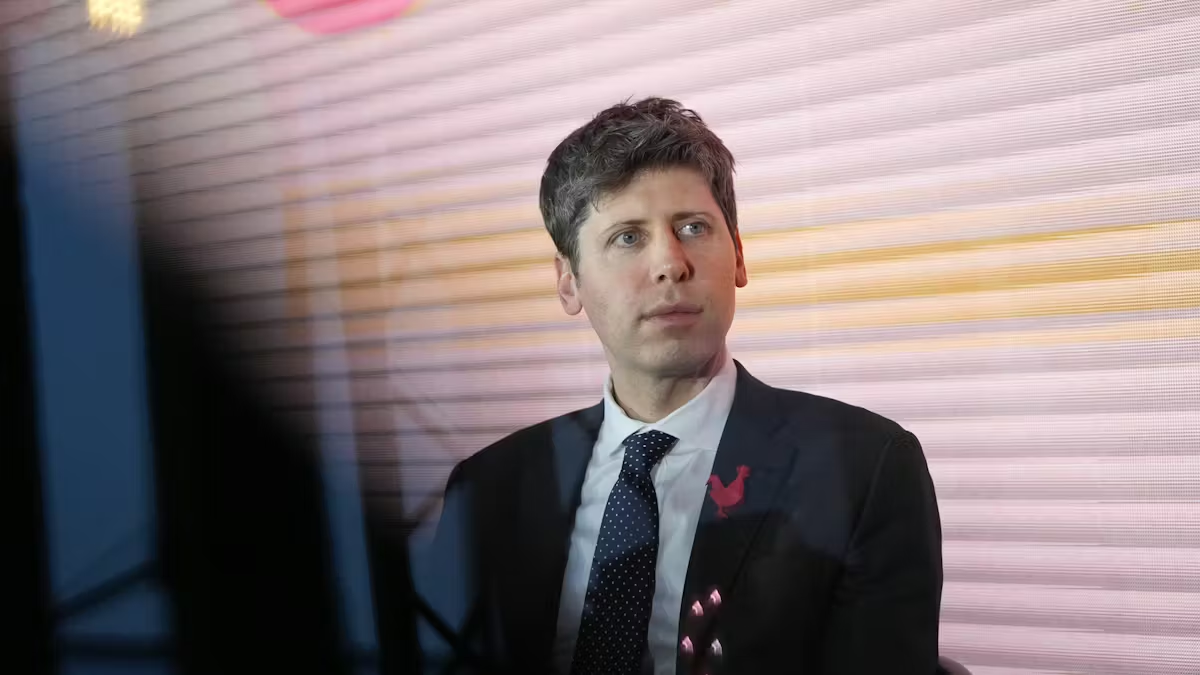
Dubai, UAE – The recent, and somewhat blunt, public exchange between Sam Altman, CEO of OpenAI, and Altimeter Capital’s Brad Gerstner regarding the potential sale of his shares has sent ripples through the global technology landscape, and particularly within the Middle East’s burgeoning venture capital and sovereign wealth sectors. Altman’s assertion – “Brad, if you want to sell your shares, I’ll find you a buyer” – followed months of significant investor outflows from OpenAI, signaling a reassessment of the company’s valuation and future prospects. This episode underscores a broader trend of investor caution and strategic realignment within the AI sector, with potentially significant implications for the region’s tech investments.
The Middle East, traditionally a hotbed for AI innovation fueled by substantial sovereign wealth fund investment – notably Saudi Arabia’s PIF and the UAE’s ADGM – is now facing a period of heightened scrutiny. While the region’s commitment to AI remains unwavering, the OpenAI situation highlights the inherent risks associated with early-stage, high-growth technology ventures. Sovereign wealth funds, accustomed to long-term, stable returns, are increasingly demanding greater transparency and demonstrable profitability from their investments. The Altman episode serves as a stark reminder that even the most promising AI companies are not immune to market volatility and investor sentiment. This could lead to a more selective approach to future AI investments, favoring established players with proven business models and a clear path to sustainable growth, rather than solely focusing on disruptive, unproven technologies.
Furthermore, the rapid expansion of venture capital activity in the MENA region, largely driven by the promise of AI’s transformative potential, is now facing headwinds. While local VC firms are actively seeking to capitalize on the AI boom, they are increasingly aware of the need to diversify their portfolios and mitigate risk. The OpenAI situation is likely to encourage a shift towards more pragmatic investment strategies, prioritizing companies with strong regional relevance and demonstrable market traction. The region’s infrastructure, particularly in areas like data centers and connectivity, will be crucial in supporting the growth of AI applications, and investment in these areas will become even more critical to attracting and retaining top tech talent.
Looking ahead, the Middle East’s strategic response will hinge on fostering a more robust and diversified technology ecosystem. Government initiatives aimed at promoting local AI talent, establishing regulatory frameworks, and incentivizing innovation are paramount. Beyond simply replicating global trends, the region must focus on developing AI solutions tailored to its specific needs – from smart cities and healthcare to logistics and financial services. The OpenAI episode, while disruptive, presents an opportunity to recalibrate investment strategies, prioritize sustainable growth, and build a more resilient and strategically aligned technology sector, ultimately ensuring the region’s continued leadership in the AI revolution.