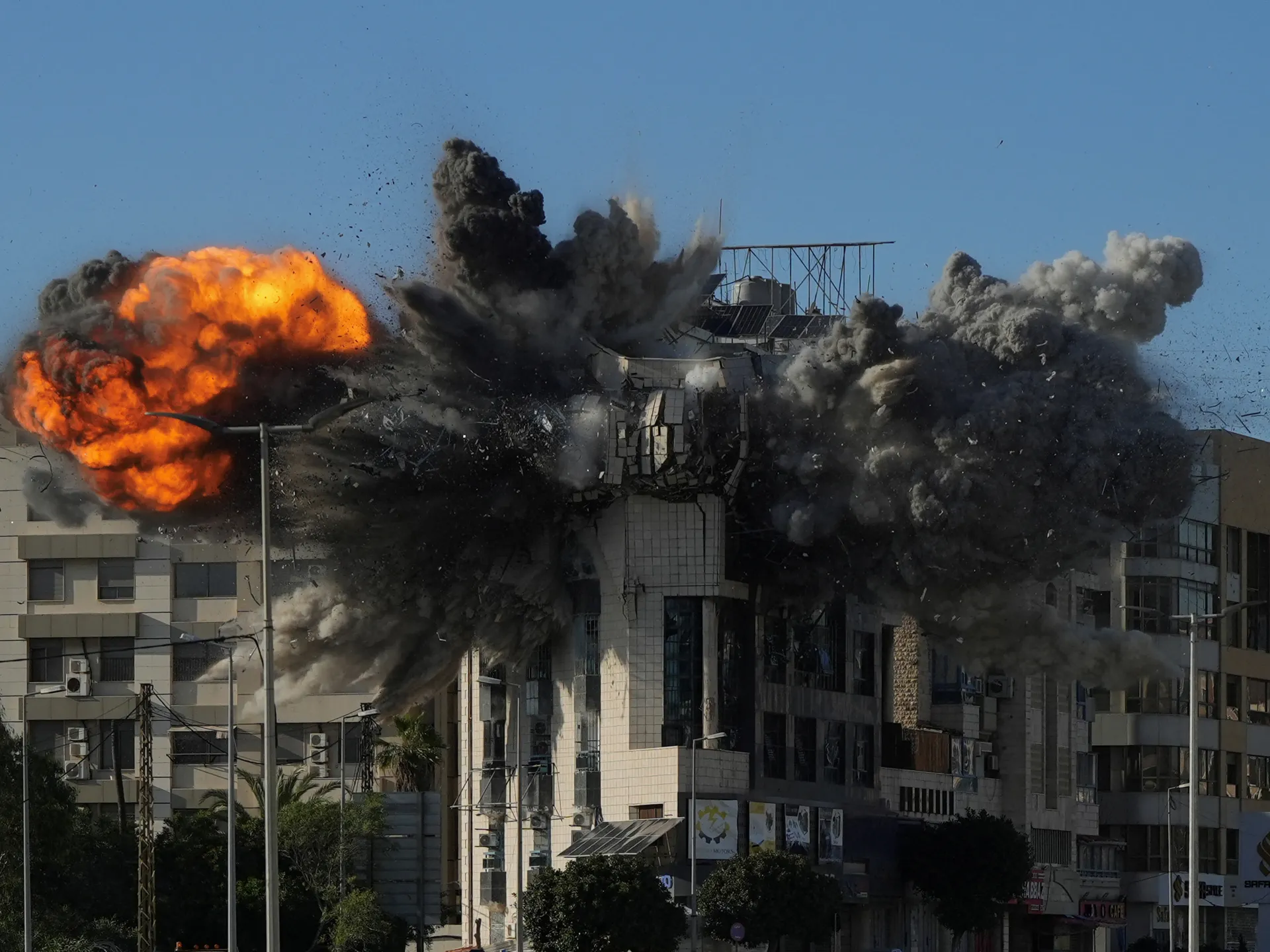

The recent Houthi assertion of a coordinatedmissile strike against Israel, jointly executed with Iranian and Hezbollah elements, represents a significant escalation with profound implications for regional financial stability and infrastructure. This development underscores the growing nexus between non-state actors and state-backed entities in funding and executing asymmetric warfare, directly impacting sovereign capital reserves across the Middle East. Yemen’s economy, already strained by prolonged conflict, faces renewed pressure through potential sanctions and resource diversion, while Israel’s defensive expenditures and security apparatus costs will escalate, diverting sovereign funds from productive investment. The broader region must now recalibrate financial resilience strategies, as capital flight risks intensify in volatile zones and the need for robust sovereign wealth fund diversification becomes critical to mitigate geopolitical shocks. This incident further complicates MENA sovereign debt trajectories and international lender assessments, demanding immediate fiscal recalibration.
Venture capital flows within and targeting the region will likely contract amidst heightened geopolitical risk aversion. Regional VC firms, already cautious following sector consolidation, will prioritize portfolios away from conflict-adjacent sectors and jurisdictions perceived as high-risk. Foreign direct investment (FDI) in critical infrastructure projects—particularly those involving energy or transportation corridors—will face unprecedented scrutiny, as security assurances become paramount. This capital freeze could impede innovation ecosystems and delay transformative technological initiatives, amplifying economic fragmentation. Sovereign wealth funds may redirect domestic VC allocations towards defensive sectors like cybersecurity and energy security, but this risks further crowding out entrepreneurial dynamism and long-term innovation capacity, potentially ceding technological leadership to more stable regions.
The immediate threat to Red Sea shipping and the Suez Canal poses systemic risks to global supply chains and regional energy logistics. Houthi capabilities to disrupt maritime routes, as demonstrated historically, could trigger immediate price shocks for critical commodities and force rerouting, significantly increasing transport costs and transit times. This impacts sovereign revenues tied to port operations and state-owned energy companies, while escalating insurance premiums and logistical costs burden corporate balance sheets. The imperative for enhanced maritime security infrastructure—such as advanced surveillance, rapid-response naval assets, and protected shipping lanes—will demand substantial sovereign and institutional capital investment, diverting funds from alternative development priorities. Infrastructure resilience must now incorporate asymmetric threat mitigation, fundamentally altering regional port and energy corridor planning paradigms and elevating cybersecurity measures for critical infrastructure.