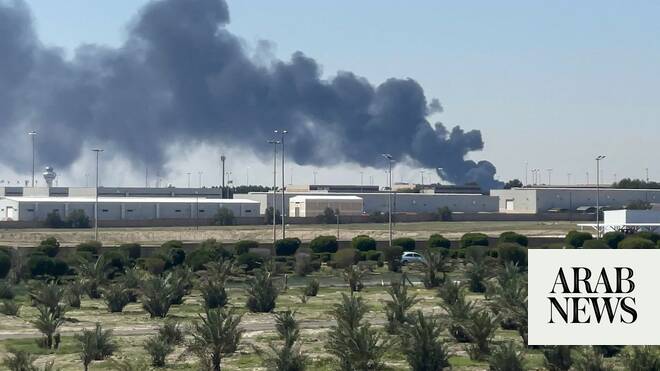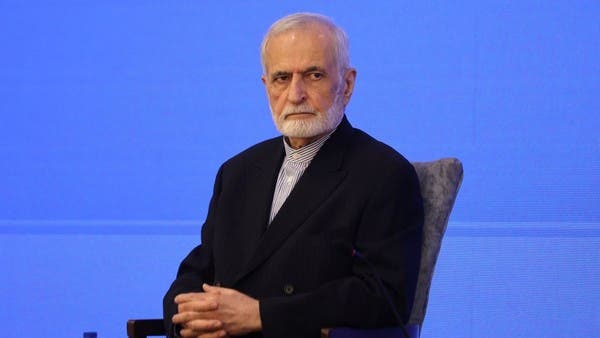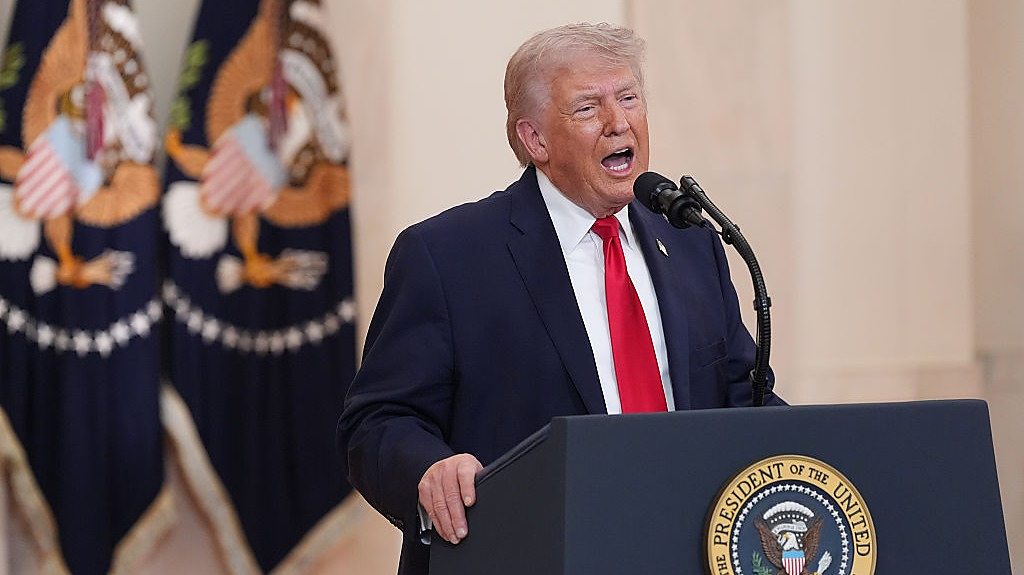

The recent pronouncements from President Trump regarding progress in his objectives concerning Iran carry significant implications for the broader Middle East and North Africa (MENA) region, particularly across financial markets, sovereign capital flows, the venture capital ecosystem, and regional infrastructure development. While the specifics of these objectives remain largely undefined and subject to interpretation, the rhetoric underscores a potential reshaping of the geopolitical landscape with far-reaching economic consequences.
The immediate business impact centers on heightened uncertainty. Increased tensions, regardless of the desired outcome, translate into volatile capital markets, impacting investor confidence and potentially triggering capital flight from the region. Sovereign wealth funds (SWFs), a crucial source of long-term investment in MENA, may re-evaluate strategic allocations, potentially diverting capital away from riskier ventures and towards perceived safer havens. The venture capital sector, heavily reliant on a stable and predictable environment, faces a notable slowdown, potentially stifling innovation and hindering the growth of nascent industries. Furthermore, increased geopolitical instability can impede cross-border trade and investment, directly affecting supply chains and regional economic integration efforts.
Beyond financial implications, shifts in Iranian policy, driven by any actions taken to achieve Trump’s objectives, will profoundly affect regional infrastructure projects. Iran plays a substantial role in energy infrastructure, particularly within the oil and gas sector, and the potential disruption of these projects could have cascading economic consequences. The development and construction of critical infrastructure, including transportation networks and renewable energy initiatives, are intrinsically linked to a stable investment climate and confidence in long-term partnerships. Any impediment to this environment poses a substantial challenge to regional development agendas and the pursuit of ambitious infrastructure goals.
Navigating this evolving geopolitical landscape requires a cautious yet strategic approach. MENA nations should prioritize diversification of their economies, fostering resilience against potential disruptions. Increased private sector engagement, coupled with proactive engagement with international financial institutions, can mitigate risks and unlock opportunities in a more uncertain environment. A renewed emphasis on regional cooperation and stability initiatives is paramount to ensuring long-term economic prosperity and safeguarding the vital infrastructure underpinning future growth. The success of any forthcoming strategic initiatives hinges on fostering predictable investment conditions and promoting a stable geopolitical framework for the benefit of the entire region.