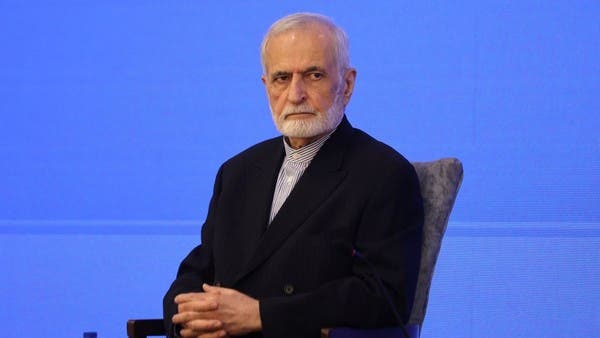

The recent US‑Israeli strike that left former Iranian Foreign Minister Kamal Kharazi critically wounded and claimed the life of his wife underscores a volatile geopolitical shift that reverberates through diplomatic corridors and policy continuity in Tehran. Kharazi’s longstanding role as architect of Iran’s post‑revolutionary foreign policy and his recent advisory capacity to Supreme Leader Ali Khamenei signal a deepening involvement of the Khamenei family in strategic oversight, potentially reshaping Iran’s engagement with regional actors and external powers.
From a sovereign‑capital perspective, such high‑profile political upheaval introduces heightened risk premia for Iranian assets and triggers reassessments of sovereign debt sustainability. Investors are likely to recalibrate exposure to Iranian sovereign bonds, prompting a shift toward more liquid, lower‑yielding instruments in the Gulf and prompting regional sovereign wealth funds to diversify away from Iran‑linked exposure, thereby tightening financing conditions for government‑backed projects.
The ripple effect on venture capital in the broader MENA ecosystem is equally pronounced. Heightened instability dampens the confidence of limited partners and foreign VCs, leading to tighter deal pipelines and more rigorous due‑diligence standards. Conversely, the crisis accelerates interest in resilience‑oriented startups—particularly in cybersecurity, defense tech, and critical infrastructure—as private capital seeks to back firms that can navigate an increasingly unpredictable security landscape.
Infrastructure implications are profound: heightened tensions compel regional governments to re‑prioritize spending toward border security, cyber defenses, and redundant energy pathways, diverting capital from traditional transport and digital connectivity projects. This reallocation may spur private‑sector participation in modular, fast‑deployable solutions such as offshore renewables, modular power grids, and 5G networks, reshaping the financing architecture of future megaprojects across the Gulf and wider North Africa.