
Iranian Missile Strikes Escalate Gulf EnergyInfrastructure Threats, Raising Sovereign and Financial Stakes
The recent intensification of Iranian missile assaults on Gulf energy infrastructure poses escalating risks to regional energy security and sovereign capital, according to analysts tracking the conflict’s economic fallout. On Wednesday, an Iranian cruise missile struck the Aqua 1, a QatarEnergy oil tanker operating within Qatari territorial waters, underscoring the vulnerability of critical maritime energy assets. While Qatari defenses successfully intercepted two missiles targeting the vessel and evacuated the 21 crew without casualties, the direct attack on a state-owned energy company’s asset represents a significant escalation in the conflict’s targeting of sovereign commercial interests. This incident, coupled with Iran’s sustained barrage against UAE air defenses and Kuwaiti fuel facilities, signals a deliberate strategy to disrupt energy supplies and undermine regional stability.
UAE and Kuwaiti Incidents Exacerbate Supply Chain and Infrastructure Concerns
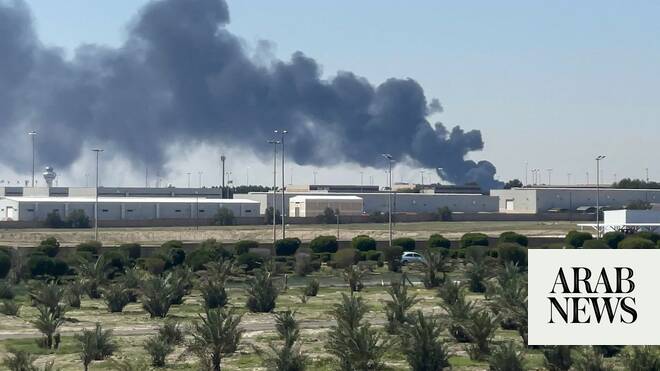
The simultaneous targeting of infrastructure elsewhere in the region compounds the strategic threat. In the UAE, falling debris from a drone interception in Fujairah resulted in one fatality and injuries, demonstrating the widespread impact of defensive operations on civilian and economic activities. Concurrently, Kuwaiti authorities reported a significant fire at Kuwait International Airport’s fuel tanks, caused by another drone strike targeting vital aviation infrastructure. The Public Authority for Civil Aviation confirmed “significant damage” despite no human casualties. This repeated focus on fuel depots and energy hubs threatens not only immediate operational capacity but also long-term supply chain resilience for aviation and energy-dependent industries across the Gulf, directly impacting sovereign investment in critical infrastructure.
Escalating Conflicts Strain Regional Defenses and Investment Climate
The sustained Iranian campaign, initiated following US and Israeli strikes on February 28th, now threatens to divert substantial sovereign capital away from development priorities towards ever-increasing defense expenditures. The UAE’s interception of five ballistic missiles and 35 drones on Wednesday alone, alongside Saudi and Bahraini defensive responses, illustrates the immense financial burden of maintaining robust air defense systems. This relentless pressure diverts resources from diversifying economies and attracting venture capital. The cumulative damage to energy infrastructure—ranging from damaged tankers and fuel depots to disrupted airport operations—erodes the predictable operating environment essential for attracting long-term foreign investment, including venture capital, and hinders regional economic advancement. The Gulf states’ ongoing struggle to neutralize these threats underscores the profound challenge to sustaining economic stability and attracting strategic capital amidst escalating regional hostilities.