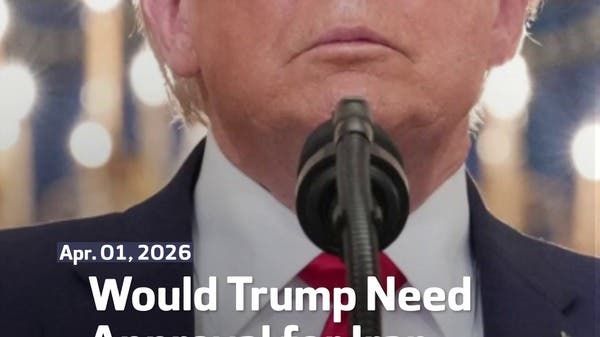

Geopolitical risk surrounding Iran continues to exert a significant, and often underappreciated, influence on capital allocation and infrastructure development across the MENA region. While the article focuses on the legal parameters of potential U.S. military action, the more pertinent impact for regional financial markets lies in the escalating probability of conflict and the subsequent recalibration of investment strategies. Sovereign Wealth Funds (SWFs) in Gulf Cooperation Council (GCC) states, already factoring in heightened regional instability, are likely to accelerate diversification efforts *away* from regional exposure and towards established Western markets – a trend observable in recent real estate and technology acquisitions. This isn’t merely a flight to safety, but a proactive measure to protect national wealth from potential asset devaluation stemming from direct or proxy conflicts.
The venture capital landscape, particularly within sectors like cybersecurity and defense technology, will experience a notable, albeit concentrated, boost. While overall VC funding may see a temporary slowdown due to increased risk aversion, specialized funds focusing on dual-use technologies – those with both civilian and military applications – are poised to attract significant capital. Expect increased investment in Israeli and UAE-based startups developing advanced surveillance, drone defense, and secure communications systems. However, broader tech investment, especially in Iran and neighboring states perceived as vulnerable, will likely face increased scrutiny from international investors and potential sanctions-related complications. The current environment effectively creates a bifurcated regional VC market.
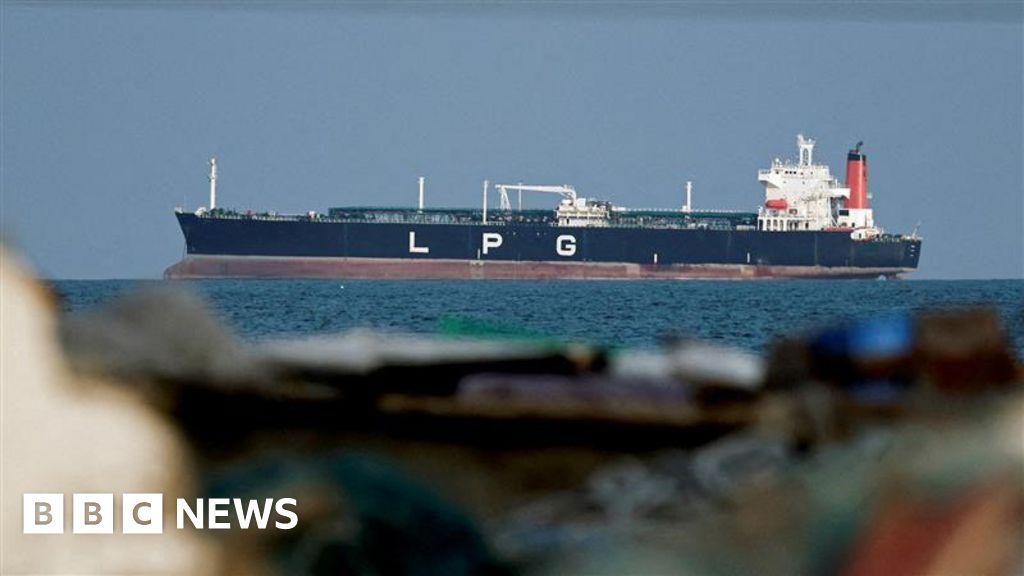
Regional infrastructure projects, already facing headwinds from rising interest rates and supply chain disruptions, will be further complicated. Large-scale initiatives – particularly those reliant on international financing or involving transit routes near potential conflict zones – will encounter increased insurance premiums and potential delays. Projects with strong domestic funding sources and clear strategic alignment with national security objectives, such as port expansions in Saudi Arabia and Oman, are more likely to proceed, albeit with enhanced security protocols. The Red Sea, a critical artery for global trade, is particularly vulnerable, and any disruption there would necessitate accelerated investment in alternative land-based transport corridors, benefiting projects like the India-Middle East-Europe Economic Corridor.
Ultimately, the escalating tensions with Iran are not simply a political issue; they are a fundamental driver of capital flows and strategic investment decisions across the MENA region. The long-term implications extend beyond immediate defense spending, influencing SWF asset allocation, shaping the future of regional venture capital, and dictating the viability of critical infrastructure projects. A sustained period of heightened instability will likely accelerate the existing trend of economic divergence within the region, favoring states with strong financial positions and robust geopolitical hedging strategies.