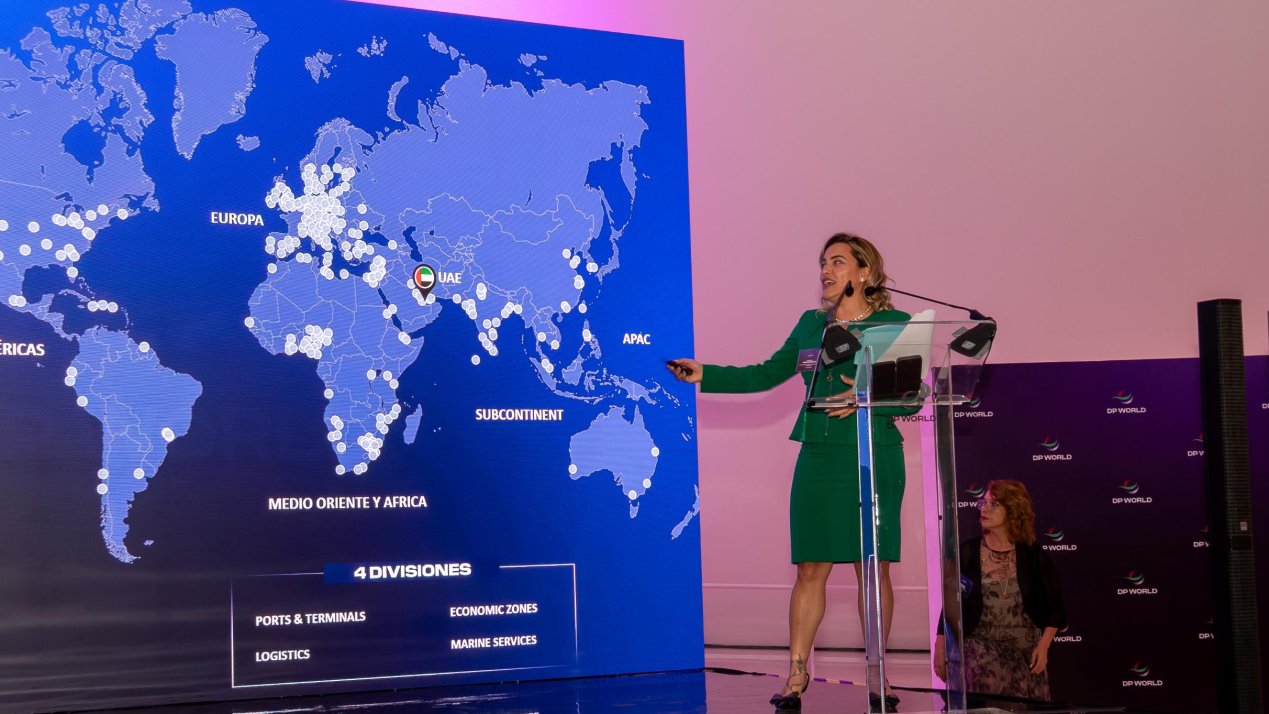

DP World’s launch of an integrated logistics platform in Mexico is a strategic deployment of UAE sovereign capital to capture structural shifts in global trade, directly targeting the nearshoring wave and supply chain diversification away from traditional Asian manufacturing hubs. For MENA sovereign wealth funds—from Abu Dhabi Investment Authority to Saudi Arabia’s Public Investment Fund—this represents a calibrated entry into high-growth transcontinental corridors, using Dubai-based logistics giants as conduits to deploy capital into North American infrastructure while mitigating geopolitical risk. The move underscores a broader regional pivot: GCC states are leveraging state-backed logistics champions to build enduring trade linkages that serve both as revenue generators and as instruments of economic diplomacy, particularly as U.S. tariff volatility reshapes global value chains.
The operational model—consolidating ports, inland transport, warehousing, and freight forwarding under a single digital platform—addresses a critical market failure: the lack of end-to-end supply chain resilience in fragmented trade blocs. This integrated approach, underpinned by DP World’s $24.4 billion 2025 revenue and $3.1 billion in annual capital expenditure, creates a template that MENA sovereign investors will likely replicate across their own industrial zones, from Saudi Arabia’s NEOM to Egypt’s Suez Canal Economic Zone. Crucially, the scale of such entities attracts venture capital into regional logistics technology startups—AI-driven freight optimization, warehouse automation, and cross-border customs digitization—feeding a broader MENA tech ecosystem while ensuring operational control remains in the hands of sovereign-backed operators.
Infrastructure implications for North Africa and the Levant are profound. DP World’s Mexican warehouse network in Monterrey and Querétaro—designed for manufacturing supply chains—parallels the development logic behind MENA inland logistics hubs like Khalifa Industrial Zone in Abu Dhabi or Jordan’s Aqaba Special Economic Zone. As nearshoring consolidates in Mexico, these MENA hubs must similarly integrate port infrastructure with bonded warehousing and multimodal connectivity to compete for European and Asian FDI, especially under EU “de-risking” policies. DP World’s model demonstrates that sovereign capital can de-risk such projects, crowding in private investment and setting operational standards that smaller regional players will emulate, potentially narrowing the infrastructure gap between GCC and non-GCC MENA nations.
The sustainability dimension further cements this as a sovereign-led strategic shift. DP World’s commitment to carbon neutrality by 2040—evidenced by solar-powered warehouses and fleet electrification in Mexico—aligns with Gulf decarbonization mandates (UAE Net Zero 2050, Saudi Green Initiative) and will shape future infrastructure financing. Green bonds and ESG-linked loans for logistics projects across MENA are now priced partly on the ability to mirror DP World’s 14% emissions reduction progress. For regional sovereign funds, this signals that future trade infrastructure must marry scalability with decarbonization—a necessary evolution as global trade faces both tariff fragmentation and climate-related regulatory pressure.