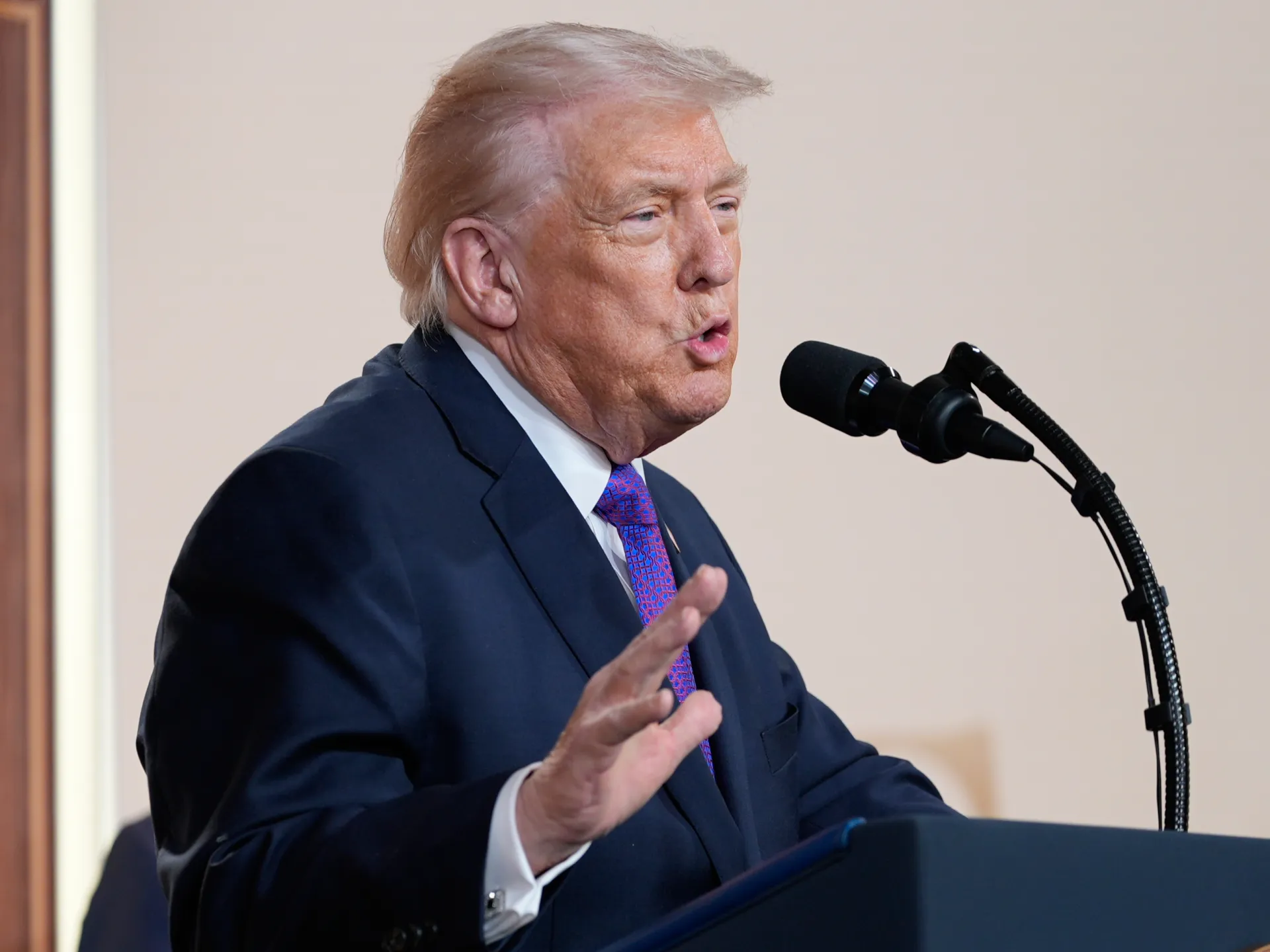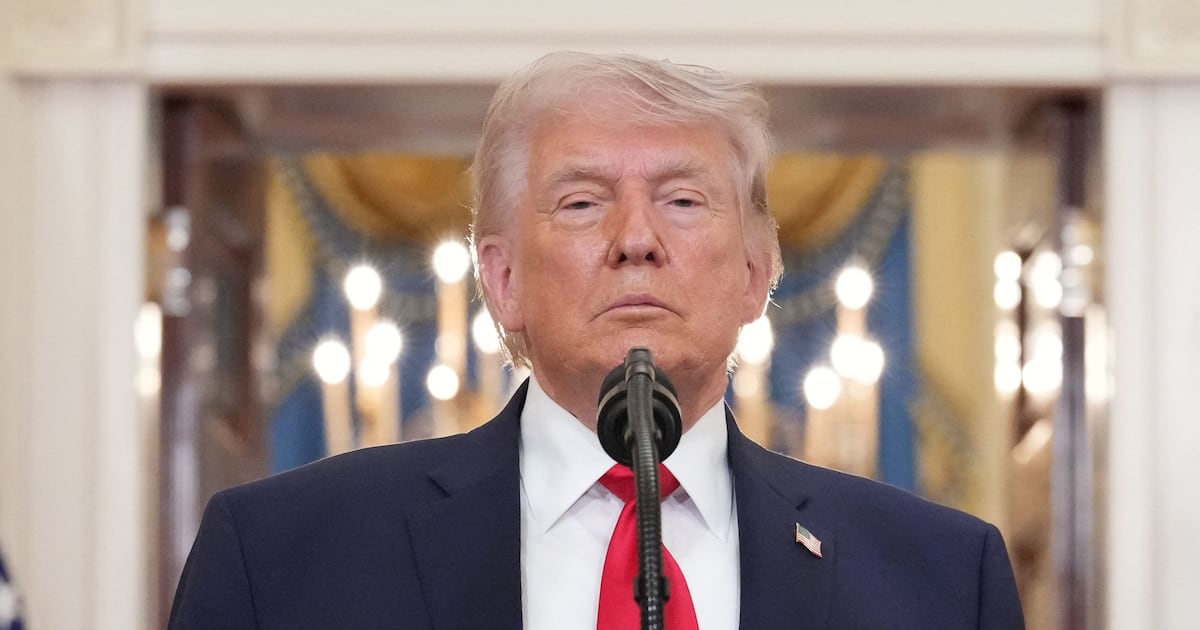

The absence of substantive policy detail in President Trump’s prime-time address has raised acute concerns among institutional investors and policymakers regarding prolonged geopolitical instability in the Middle East and North Africa. With the US administration caught in what analysts characterize as an escalation trap, the strategic ambiguity surrounding the conflict with Iran injects fresh uncertainties into regional capital markets and large-scale infrastructure financing. The Strait of Hormuz, the critical artery for one-fifth of global oil exports, remains effectively sealed, prompting a ripple effect on energy sector valuations and reinforcing regional dependencies on sovereign wealth for countercyclical investing.
The ongoing instability poses direct implications for MENA sovereign capital strategies, particularly those countries with large-scale megaproject pipelines funded by Gulf-based sovereign wealth vehicles. Higher energy prices, a byproduct of the blockade, offer short-term windfall gains to oil exporters but could force sudden, sizeable adjustments to cross-border infrastructure financing conditions, especially for nations reliant on international energy markets. Concurrently, venture capital flows into high-growth tech hubs from Riyadh to Dubai could be impacted by declining global risk appetite and a surge in oil revenues directed toward conservative, low-yield sovereign asset pools. The delicate balance between securing long-term regional economic resilience and managing immediate energy sector shocks will shape sovereign investment policy for years.
Moreover, the potential for further US military escalation carries cascading consequences for foreign direct investment and the Middle East’s ambitious digital transformation agendas. If conventional deterrence fails to reopen critical maritime routes, stakeholders may redirect capital away from transformative kinetic infrastructure projects—such as regional data centers, cloud platforms, and 5G networks—toward more politically neutral sectors. Institutional players are already recalibrating exposure, prioritizing resilient domestic supply chains and shorter investment horizons as a hedge against unpredictable geopolitical events. This tectonic shift could redefine the Middle East’s place in the global technology and infrastructure landscape, driving home the importance of sovereign capital buffers during protracted geopolitical crises.
In the absence of a diplomatic off-ramp, Middle East financial centers must brace for an extended period of elevated energy prices, capital reallocations for defensive strategies, and heightened scrutiny of long-term infrastructure financing risks. As external support from global investors remains contingent on regional stability, sovereign and strategic funds will likely play an outsized role in insulating the region from geopolitical volatility. Whether this represents a temporary adjustment or a strategic inflection point for the MENA region’s public and private capital markets will hinge on the success of diplomatic, economic, and defense policies over the months ahead.