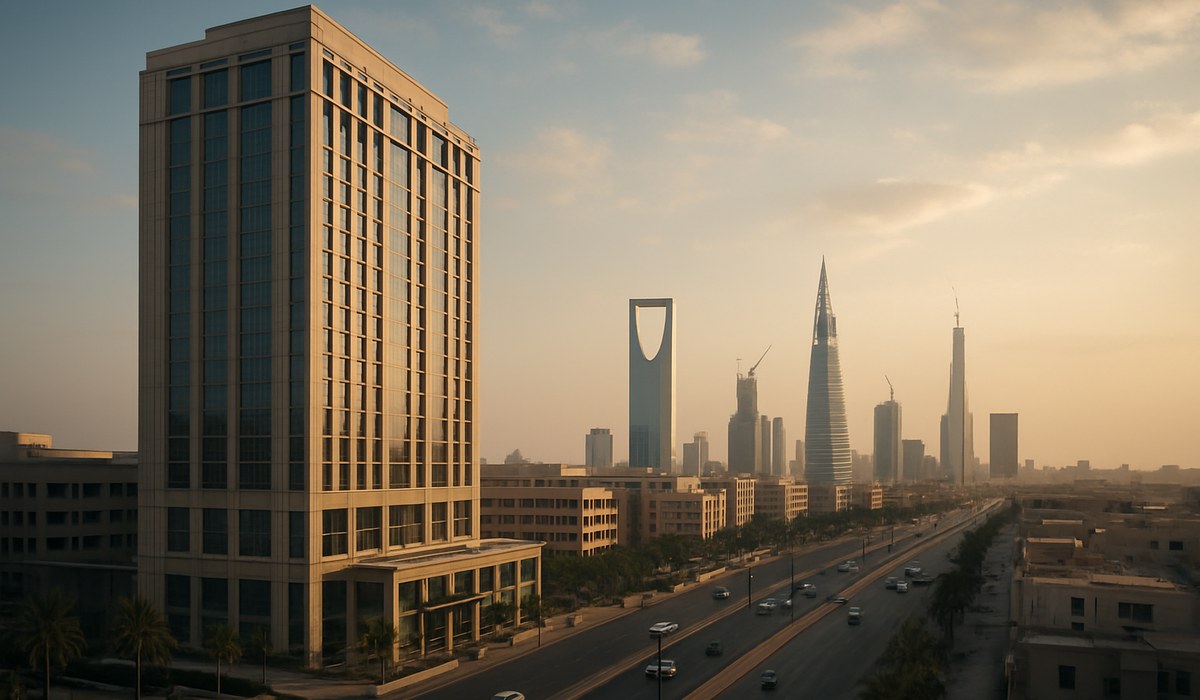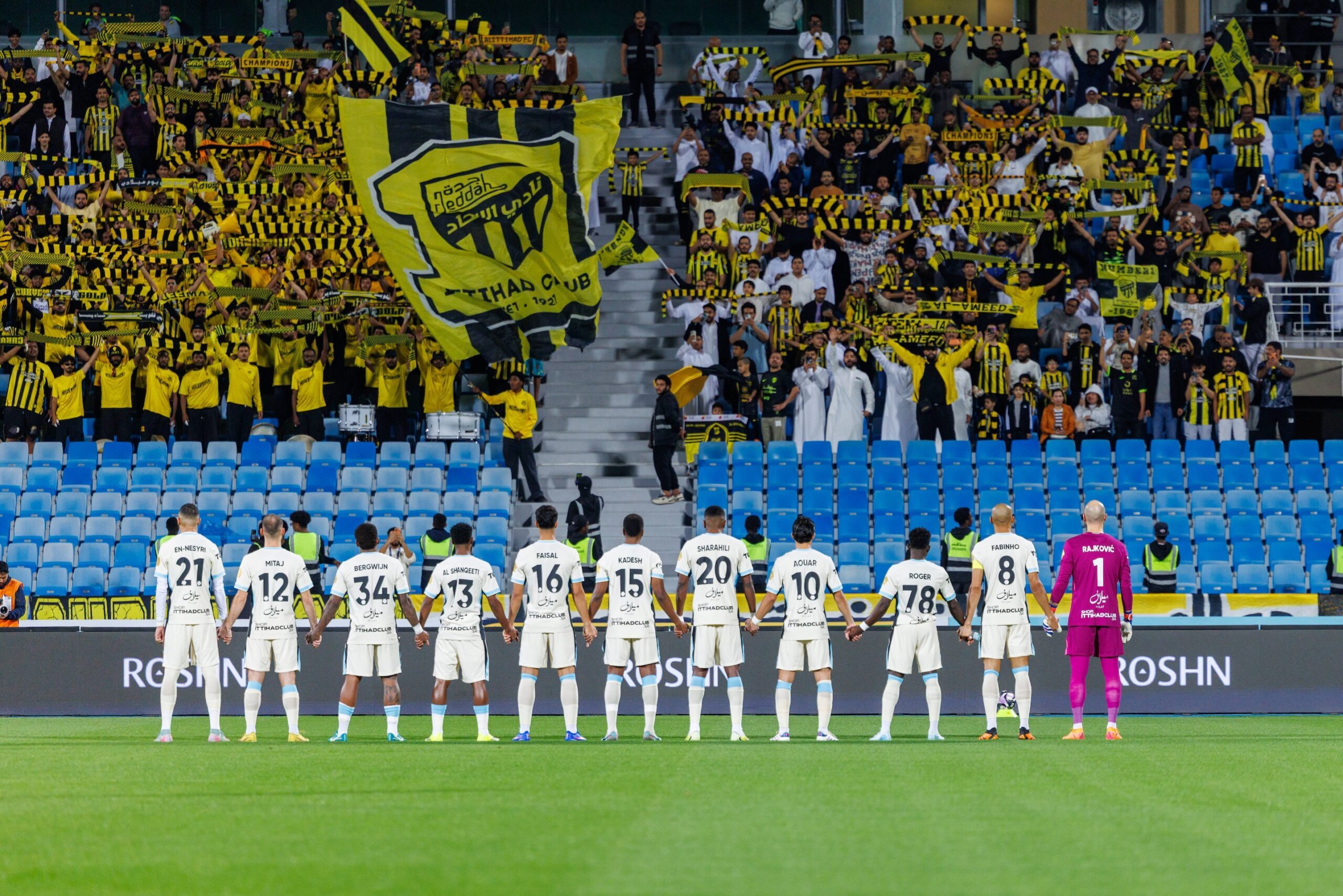

Parsons Corporation’s appointment as project management consultant for the Al Ittihad Sports Village in Jeddah underscores Saudi Arabia’s recalibration of sovereign capital deployment toward execution-ready, fixed-timeline assets. As the Public Investment Fund navigates constrained liquidity amid compressed hydrocarbon revenues and a broader strategic realignment, state-backed entities are prioritizing infrastructure with clear commercialization pathways over unconstrained speculative development. The facility, anchored by elite training infrastructure, club headquarters, and revenue-generating commercial real estate, reflects a disciplined pivot within Vision 2030’s sports privatization framework. With Al Ittihad 75 percent state-owned, Riyadh is leveraging majority sovereign stakes to de-risk private sector participation, accelerate delivery cycles, and secure critical infrastructure ahead of the 2034 FIFA World Cup and Expo 2030 deadlines.
The award signals a broader contraction and rationalization of the Kingdom’s construction pipeline, where fiscal prudence has precipitated contract terminations and steep budget reductions across non-critical giga-projects. By routing mandates toward established international contractors with proven MENA operational heritage, the government is mitigating execution risk while fortifying supply chains required for imminent global events. This infrastructure consolidation will trigger regional market realignment, pressuring overleveraged mid-tier developers and redirecting project financing toward entities demonstrating rigorous cost discipline. Consequently, the commercial assets embedded within the Jeddah complex are strategically positioned to attract institutional co-investment, transforming traditionally subsidized sporting ventures into cash-flow-positive platforms capable of servicing debt and anchoring adjacent hospitality, logistics, and retail sectors.
Beyond physical construction, the complex’s integrated performance and analytics hubs will function as foundational infrastructure for the region’s scaling sports-technology and data ecosystems. As sovereign capital transitions from capital-intensive stadium development to operational monetization, it will increasingly catalyze venture and growth equity allocations into proprietary analytics, biometric optimization, and digital fan engagement platforms. This structural evolution establishes a replicable infrastructure model across the GCC and North Africa, where state-backed facilities serve as commercial test beds for private-capital-driven tech deployment. For institutional allocators and sovereign venture arms, the Jeddah development signals a maturing market where traditional real-asset delivery converges with scalable digital infrastructure, offering transparent conduits into high-yield, technology-enabled verticals that will define the next decade of MENA capital formation.