
:
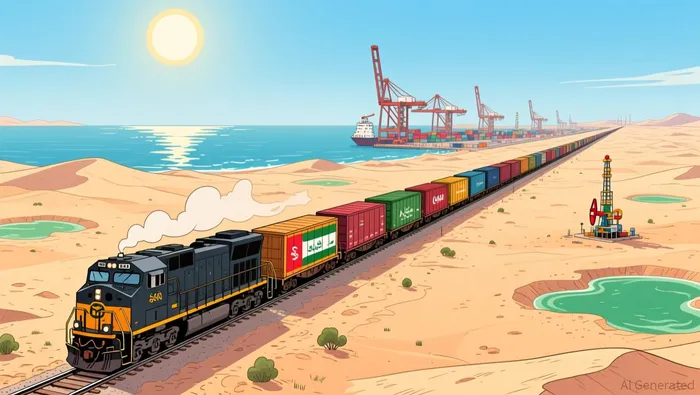
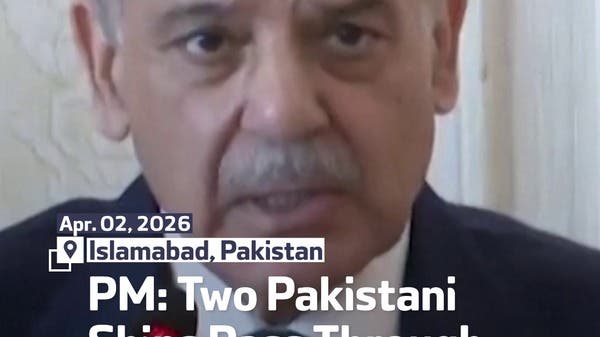
The transit of two Pakistani vessels through the Strait of Hormuz underscores the enduring strategic and economic interdependence between South Asia and the Middle East, with profound implications for regional business ecosystems. The Strait, a choke point for over 20% of global oil trade, remains a critical node in global energy supply chains, and any perturbation to its stability reverberates through sovereign capital markets and institutional investment flows. For Middle Eastern states reliant on oil exports, the secure passage of containerized goods—often tied to industrial inputs or energy infrastructure contracts—affects both revenue stability and long-term economic diversification strategies. Pakistan’s engagement with Gulf markets, exemplified by such transits, may catalyze cross-border investment partnerships, particularly in logistics and energy sectors. However, this also necessitates intensified sovereign risk management, as geopolitical volatility in the Hormuz corridor could deter foreign direct investment (FDI) or strain regional balance of payments, particularly in energy-importing economies such as Egypt or Yemen. The event may further accelerate discourse on regional infrastructure resilience, with Gulf Cooperation Council (GCC) states likely to prioritize diversification of maritime trade routes or enhanced port modernization initiatives to mitigate single-point dependencies.
From a sovereign capital perspective, the incident could serve as a barometer for geopolitical risk appetite among institutional investors. Gulf states, which dominate sovereign wealth fund (SWF) portfolios in the region, often align capital deployment with strategic stability assessments. A smooth transit of Pakistani assets might be interpreted as a stabilizing signal for bilateral economic ties, potentially unlocking new avenues for joint ventures in sectors like renewable energy or fintech. Conversely, heightened tensions—whether from India-Pakistan dynamics or broader regional security concerns—could prompt SWFs to recalibrate exposure to oil-linked assets or sovereign bonds from volatile economies. Venture capital (VC) activity in the MENA region, particularly in logistics, fintech, and defense tech, may also feel indirect destabilizing effects. Increased geopolitical uncertainty could redirect VC flows toward more stable sub-regions like the UAE or Saudi Arabia, where infrastructure investments are aggressive and policy frameworks are clearer. However, long-term, any enhancement in trade fluidity could foster VC interest in Pakistan or other regional hubs, provided institutional frameworks for intellectual property protection and regulatory coherence improve.
The transit event highlights vulnerabilities in regional infrastructure that transcend immediate security concerns. For instance, the reliance on the Strait of Hormuz necessitates robust contingency planning for shipping routes, which in turn drives demand for advanced port tech solutions—areas where startups in the MENA’s growth corridors could see renewed momentum. Gulf states, facing aging port infrastructure, may invest in digital monitoring systems or greenfield developments to manage escalating trade volumes independently of choke points. This could spur cross-border infrastructure partnerships between Pakistan and GCC states, leveraging complementary expertise in areas such as renewable energy or smart logistics. Yet, such ambitions require synchronized investment from sovereign capital, which remains cautious amid bifurcating regional priorities. The interplay between trade security and infrastructure investment thus becomes a critical calculus for policymakers aiming to balance short-term economic gains with long-term structural reforms aimed at reducing dependency on volatile global supply chains.