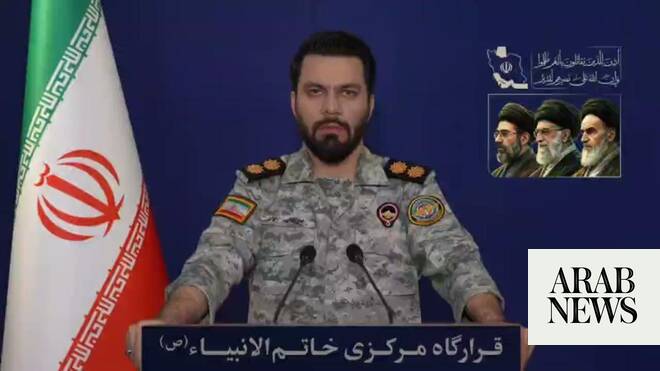

The escalation of hostilities between Iran and the U.S.-Israel alliance has unleashed a multipolar crisis with profound implications for the Middle East and North Africa’s (MENA) economic architecture. The conflict’s spillover into sovereign capital markets has already triggered a flight to safety, with Gulf states diverting defence budgets to hedge against disruptions while sovereign spreads widen amid uncertainty over oil supply and regional stability. Iran’s threats to target critical infrastructure—including energy facilities and the bruised civilian sector—pose direct risks to sovereign resilience, as reconstruction costs could exceed $10bn, exacerbating fiscal deficits in an already precarious environment. Meanwhile, the U.S. pledge to safeguard Gulf allies through military means underscores a bifurcation in resource allocation: capitals like Riyadh and Abu Dhabi face mounting pressure to reallocate scarce sovereign capital toward nuclear reactors, air defence systems, and privatized insurance models to offset rising war risks, while venture capital dries up in conflict-adjacent sectors.
The war has become a black hole for private capital, particularly in risk-sensitive ventures tied to regional logistics and technology innovation. With Israel and Iran locked in a non-kinetic brinksmanship over the Strait of Hormuz—a strategic artery carrying 20% of global seaborne oil—the threat to global shipping lanes has reverberated far beyond the Middle East. Gulf states, long reliant on tourism and diversified economic growth, now prioritize investments in carbon capture and desalination infrastructure over startup ecosystems, as geopolitical volatility undermines investor confidence. In Lebanon, Lebanon’s debt-ridden economy is further crippled by aircraft shortages and disrupted banking channels, while Morocco’s textile factories, dependent on regional Cross-Border trade, face closure due to Red Sea freight bottlenecks. The absence of Venture Capital in conflict-sensitive sectors like fintech and agritech reflects a broader capital allocation shift toward defensive assets such as gold and sovereign bonds, leaving disruptive industries starved of funding.
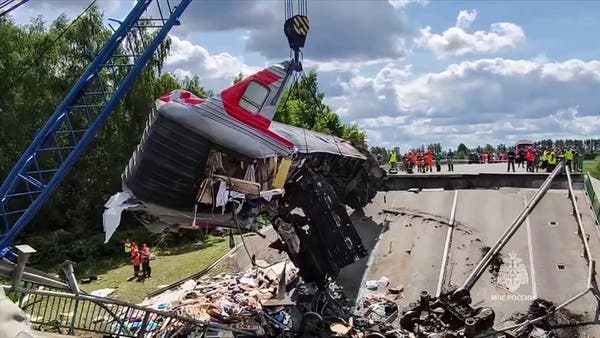
Regional infrastructure, already strained by the war, faces existential threats to energy grids and transport networks. Iran’s explicit warning of strikes on “key targets” including power plants accelerates a preemptive scramble to harden Gulf states’ energy mix, with Saudi Arabia’s Public Investment Fund reportedly accelerating solar and hydrogen projects ahead of OPEC+ negotiations. Meanwhile, the Strait of Hormuz emerges as a geopolitical chokehold; Iran’s Revolutionary Guards vow to weaponize reinvigorated Iranian tankers to block shipments, while the West mobilizes naval escorts and diplomatic summits to prevent a collapse in oil flows. A closure could precipitate a $120bln annual global energy cost spike, further destabilizing inflation-ravaged economies in Indonesia, Europe, and sub-Saharan Africa. Bhutan’s fuel shortages and the World Bank’s warning of cascading debt-to-GDP crises in low-income nations highlight the systemic fragility of interconnected supply chains.
The human and fiscal toll of this proxy war underscores its unsustainability. By deepening energy insecurity and truncating social spending, the conflict erodes sovereign fiscal space across MENA—a region where 30% of GDP is already allocated to debt servicing. Meanwhile, the loss of civilian infrastructure, exemplified by Tehran’s medical centers, inflicts long-term humanitarian costs that will divert billions in aid and reconstruction funds from development priorities. As Trump’s “maximalist” demands—including regime change and sanctions tightening—clash with Iran’s maximalist counteroffensive rhetoric, the absence of a credible ceasefire mechanism guarantees further waves of violence, capital flight, and sectoral paralysis. Without multilateral frameworks to decouple military escalation from socioeconomic stability, the MENA region risks a 12-month stalemate with irreversible demographic and developmental consequences, cementing war as both a political and economic terminal condition.