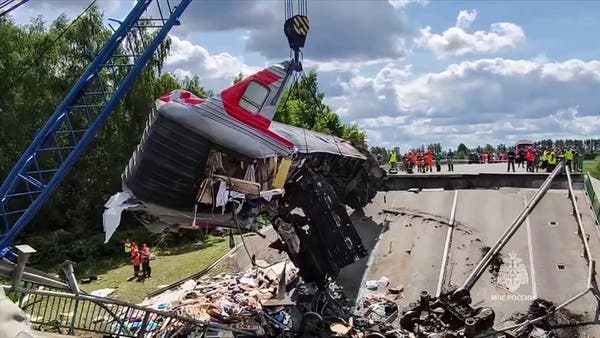

A Russian Railways passenger train en route from Chelyabinsk to Moscow derailed near the Ulyanovsk region early Friday, injuring at least 22 people, including a child, with no reported fatalities, according to regional authorities. The incident, which occurred approximately 900 kilometers east of Moscow, involved seven carriages coming off the tracks in thick fog near Briandino station.
The derailment raises fresh questions about infrastructure maintenance and operational safety protocols on Russia’s vast railway network, which remains a critical artery for both passenger and freight transport across Eurasia. With over 41 million passengers utilizing this particular route annually, according to recent Russian Railways data, even localized incidents can have cascading impacts on broader supply chains and regional commerce.
The ongoing investigation by the Russian Investigative Committee into potential violations of railway safety regulations underscores the systemic risks inherent in managing such extensive transportation infrastructure. As Middle East capital markets increasingly look eastward for infrastructure investment opportunities and supply chain diversification beyond traditional maritime routes, concerns about operational safety standards in Eurasia’s rail networks could influence sovereign wealth fund allocation strategies, particularly those seeking to balance exposure between maritime and land-based logistics assets in emerging markets.