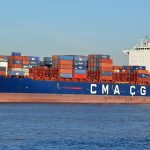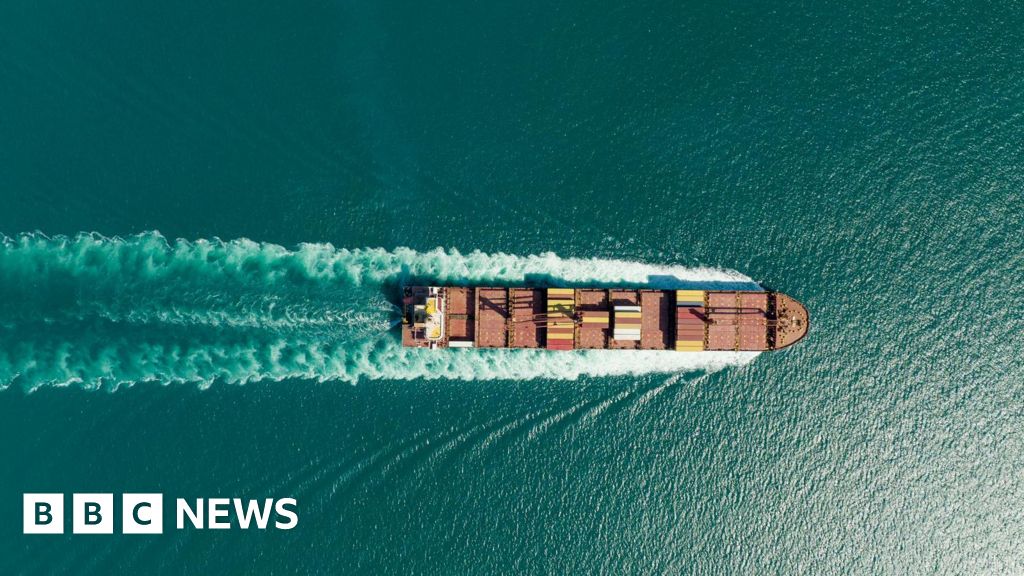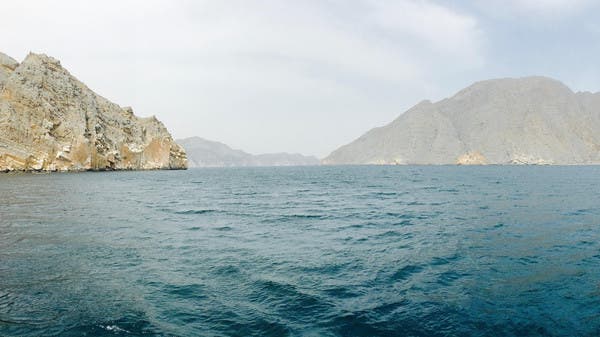

The recentmovement of a European‑flagged container vessel through the Strait of Hormuz, facilitated by an Iran‑approved corridor near Larak Island, underscores a pragmatic shift in maritime logistics amid heightened geopolitical tension. While the passage represents a symbolic breakthrough for global supply chains, it also signals a calibrated recalibration of trade routes that could accelerate diversification away from traditional chokepoints, prompting sovereign investors to reassess exposure to the Gulf.
From a sovereign capital perspective, Gulf Cooperation Council (GCC) states are likely to accelerate funding for alternative maritime infrastructure, including deep‑water ports in Oman and Saudi Arabia, as well as digitally enabled navigation platforms that enhance situational awareness of contested waters. Venture capital firms focused on maritime technology and logistics are poised to benefit from heightened demand for real‑time tracking, AI‑driven risk analytics, and autonomous vessel solutions, which promise to mitigate operational volatility and attract private‑equity interest.
The emerging “Tehran Toll Booth” arrangement illustrates a broader trend of state‑mediated trade facilitation that blends diplomatic signaling with revenue generation through transit fees and preferential routing. This model offers a template for sovereign wealth funds to capture ancillary economic rents while simultaneously bolstering the region’s strategic bandwidth, thereby enhancing resilience against future sanctions or conflict escalations.
In sum, the incident catalyzes a confluence of sovereign financing, venture innovation, and regional infrastructure ambition, positioning the Middle East and North Africa as a critical nexus for reengineered global trade architectures. Stakeholders across the public and private spectrum must therefore recalibrate investment strategies to capture value from this evolving landscape of maritime diplomacy and logistics modernization.