
The rapid ascension of generative artificial intelligence, particularly OpenAI’s ChatGPT since its 2022 launch, has not only reshaped global technology markets but also introduced profound cultural and ethical considerations that extend beyond Silicon Valley. As the Middle East accelerates its AI ambitions—underpinned by multi-billion-dollar sovereign wealth fund commitments like Saudi Arabia’s Public Investment Fund and Abu Dhabi’s AI Strategy 2031—the implications of AI safety and responsible development take on heightened regional significance. The technology’s integration into everyday life, especially among youth, raises unique challenges in societies where digital connectivity is expanding rapidly alongside efforts to diversify economies beyond oil.
From a regional finance perspective, the stakes are immense. Venture capital flows into AI startups across the Gulf Cooperation Council have surged, with the UAE and Saudi Arabia positioning themselves as regional AI hubs. Sovereign capital is being channelled into data centres, semiconductor infrastructure, and AI governance frameworks to ensure resilience and competitiveness. However, ethical quandaries raised by AI leaders regarding algorithmic influence on young minds, and the risks of emotional attachments to AI systems, directly intersect with local cultural values and parenting norms. For policymakers in the MENA region, balancing innovation, regulation, and cultural safeguards will be critical to steering investment outcomes and social stability.
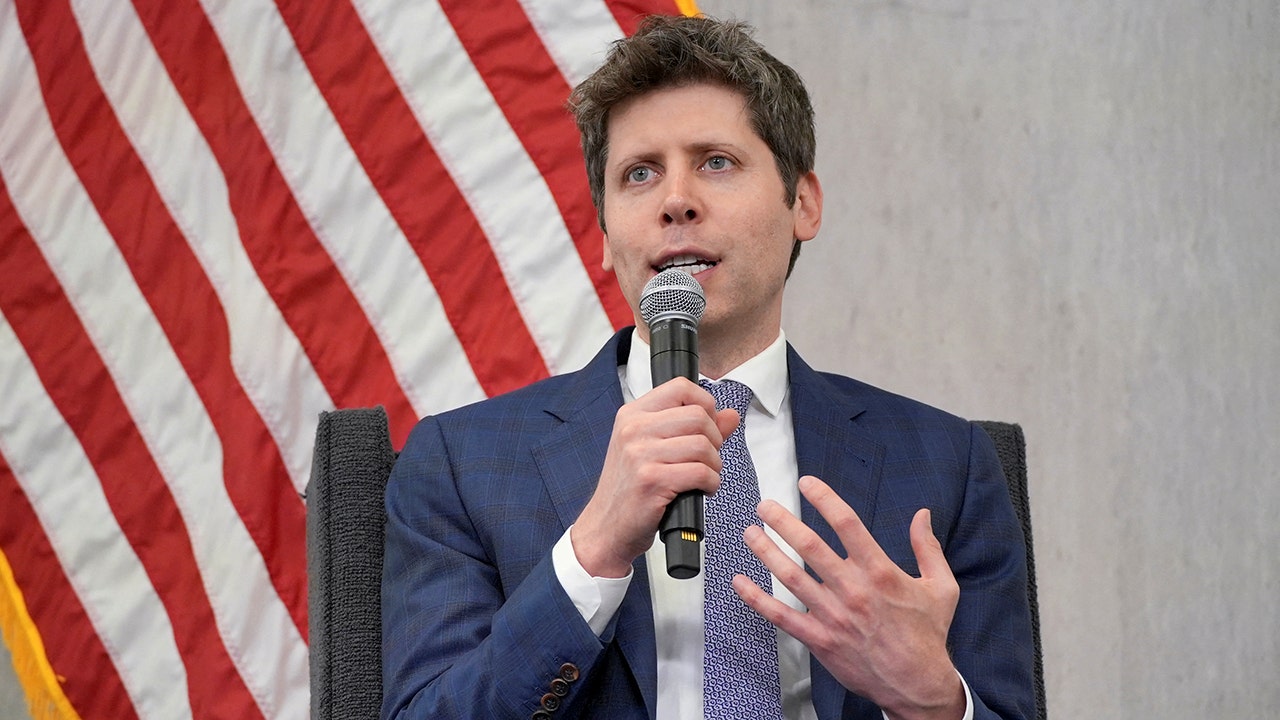
As generative AI makes further inroads into education, finance, healthcare, and governance, the Middle East’s strategic AI roadmap will require robust institutional guardrails. The convergence of sovereign capital with venture investment in AI must account for AI literacy, cybersecurity, and ethical deployment to avoid pitfalls linked to algorithmic bias or misuse. Leaders like Sam Altman, reflecting on their paternal hopes and fears, underscore a critical truth that government-backed AI initiatives in the MENA region cannot afford to ignore: the long-term societal returns from AI will be determined not just by technological success, but by the integrity of frameworks safeguarding its development. In a region racing to lead in the AI economy, such considerations are not optional—they are foundational to sustainable growth.