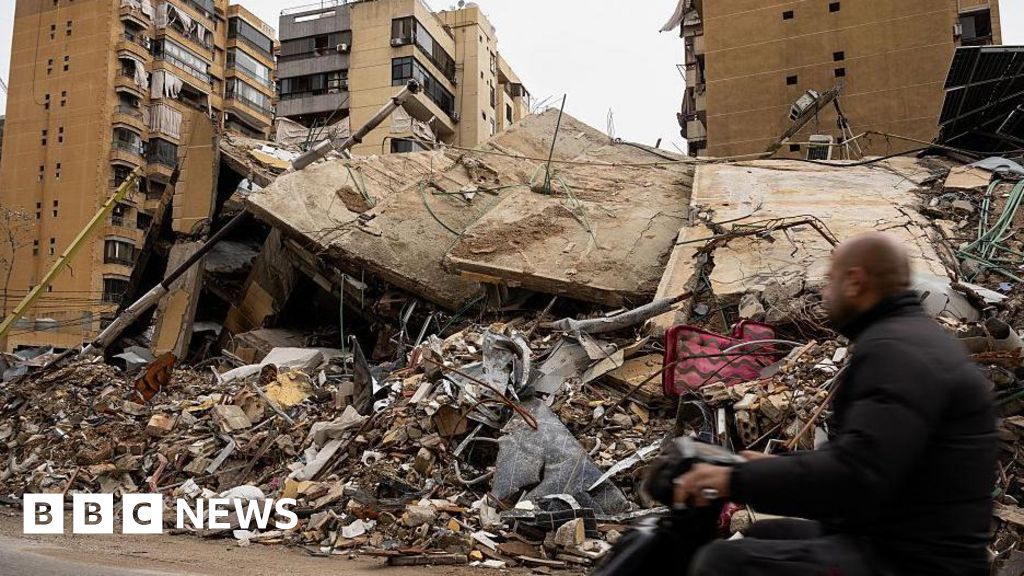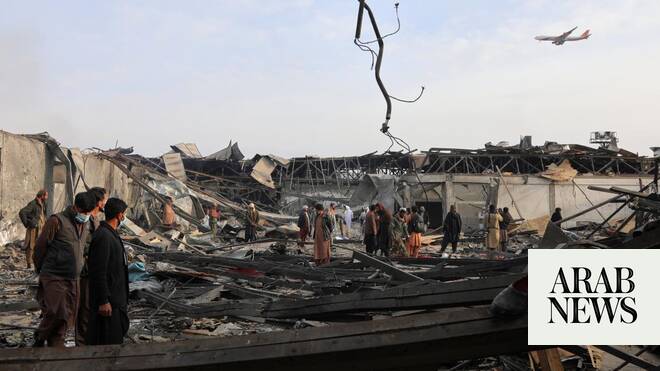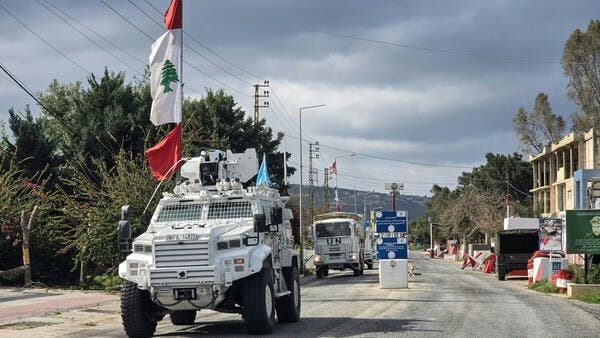

Amid the escalating conflict between Israel and Hezbollah in southern Lebanon, the destabilization of UNIFIL operations underscores the profound business and security risks permeating the region. The recent spate of explosions targeting UN peacekeeping positions has not only heightened humanitarian concerns but also intensified uncertainty around foreign direct investment (FDI) and sovereign capital flows. Lebanon, already grappling with a crippling debt crisis, faces further erosion of investor confidence as militant activity disrupts trade routes, damages infrastructure, and deepens economic fragmentation. Sovereign capital, critical for stabilizing the Lebanese lira, is increasingly diverted toward crisis management rather than long-term development, exacerbating systemic fragility.
Venture capital interest in the Middle East and North Africa (MENA) has historically been tempered by geopolitical volatility, yet the current conflict poses a stark test for regional innovation ecosystems. While Arab states like the UAE and Saudi Arabia continue to channel record venture capital into tech and clean energy, Lebanon’s exclusion from these flows highlights the asymmetrical impact of instability. The diversion of capital away from Lebanon’s nascent startup sector—already starved of foreign investment due to currency collapses and regulatory paralysis—reflects a broader regional risk-aversion. Recovery hinges on post-conflict reconciliation and infrastructure restoration, yet the absence of a unified political framework stalls such prospects, leaving the private sector mired in stagnation.
Regional infrastructure, the backbone of MENA’s economic integration, faces irreversible setbacks as hostilities spill into Lebanon’s border regions. Cross-border trade, a lifeline for economies like Jordan and Syria, is paralyzed by military activity, while critical logistics networks—such as Port Said’s Suez Canal-adjacent routes—face secondary pressures. Rebuilding Lebanon’s devastated infrastructure, from Beirut’s airport to southern highways, demands unprecedented sovereign financing, a challenge compounded by global interest rate hikes. Without swift, coordinated action, the region’s aspirations for a digital transformation and greening of economies risk derailment, perpetuating a cycle of underdevelopment and conflict.