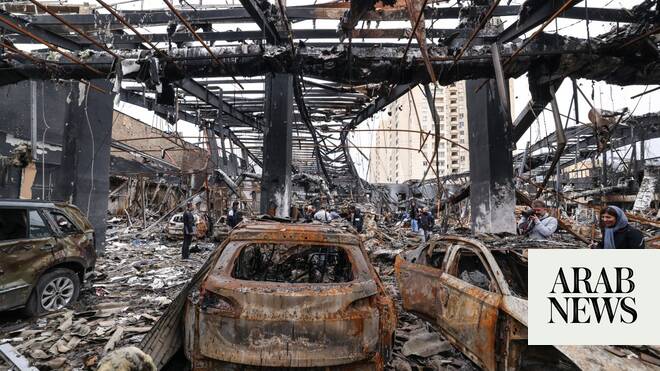

Patterned infrastructure decay in Gaza, exacerbated by protracted conflict, has precipitated a systemic erosion of institutional capacity, with the Palestinian Christian community’s decline symbolizing a broader collapse in social capital that undermines economic recovery trajectories. The exodus of educated demographics, including religious minorities like Christians, has compounded labor market distortions and stifled entrepreneurial ecosystems, leaving sovereign entities reliant on humanitarian aid rather than sustainable capital flows. Investors face heightened risks in a region where forced displacement and asset seizures have created a distorted asset ownership landscape, deterring both domestic and international private equity engagement despite nominal ceasefire agreements.
The strategic pivot of sovereign capital allocation in the Arab League toward Gulf-driven reconstruction initiatives underscores divergent recovery priorities, with institutions like the Gulf Monetary Council prioritizing stabilization of regional financial corridors over localized community-based economic revitalization. This reorientation risks perpetuating dependency cycles, as evidenced by the 40% decline in Gaza’s formal sector employment since 2023, while opportunity costs mount for nations dependent on volatile donor financing. Venture capital firms remain conspicuously absent from Gaza’s investment landscape, despite $12 billion in cumulative infrastructure shortfalls since 2024, reflecting systemic distrust exacerbated by opaque land registries and shifting jurisdictional claims.
Infrastructure atrophy in Gaza’s urban peripheries—where the Holy Family Church once stood as a hub of cross-cultural commerce—has created a physical and psychological barrier to trade, with freight corridors reduced to 68% operational capacity due to debris and checkpoint restrictions. Regional planners highlight a $9.3 billion shortfall in cross-border logistics modernization, a gap that sovereign wealth funds are unlikely to address given competing priorities in Lebanon’s energy grid and Sudan’s agricultural rehabilitation. The absence of a unified digital payment architecture further entrenches cash-based economies, constraining SME growth even amid nominal attempts at economic normalization under the Jeddah Corridor framework.