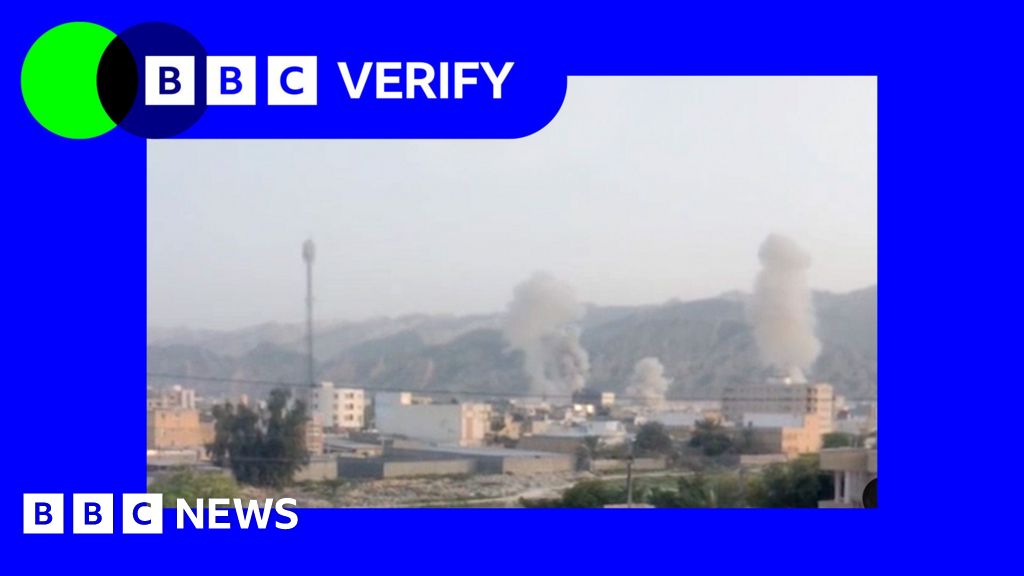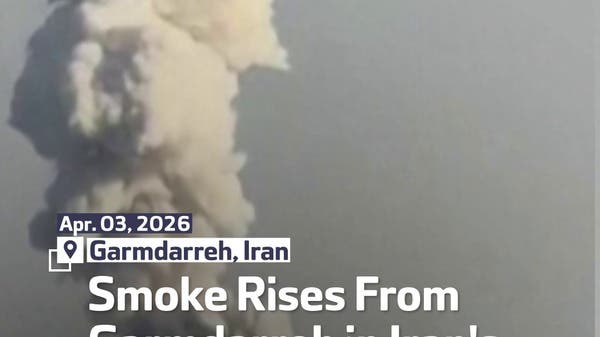

The reported incident in Iran’s Alborz Province, while geographically contained, immediately triggers a reassessment of systemic risk across the greater Middle East and North Africa (MENA) energy and logistics corridor. For sovereign wealth funds and institutional investors with significant portfolio exposure to regional hydrocarbons and petrochemicals—such as the Abu Dhabi Investment Authority, Saudi Arabia’s Public Investment Fund, and Qatar Investment Authority—the event underscores the persistent, non-quantifiable volatility premium demanded for assets operating within or dependent upon Iran’s sphere of influence. Any disruption, whether accidental or deliberate, to infrastructure proximate to key maritime routes or overland pipelines reverberates through global commodity pricing, directly impacting the investment thesis for downstream and upstream projects across the GCC and North Africa.
This environment accelerates a pre-existing capital flight toward perceived sanctuary markets and assets. Venture capital and private equity, already demonstrating a marked preference for incorporation and operational hubs within the UAE (particularly Dubai and Abu Dhabi) and Saudi Arabia, will further harden this bifurcation. The incident reinforces the strategic valuation of sovereign-directed ecosystems that offer political stability, robust legal frameworks, and integrated infrastructure—such as the UAE’s Masdar City and Saudi Arabia’s NEOM—as the primary loci for innovation capital. Capital destined for higher-risk, higher-reward plays within Iran or its allied territories will face an even steeper risk hurdle, diverting significant early-stage and growth funding toward the “safe haven” economies that can guarantee uninterrupted operations and clear exit paths.
The long-term infrastructure implications are twofold. First, it galvanizes GCC-led initiatives for logistical redundancy and diversification of export routes, such as the development of alternative pipeline networks and port expansions (e.g., in Oman and Saudi Arabia’s Red Sea coast), to mitigate chokepoint dependencies. Second, it heightens the strategic imperative for regional digital and physical infrastructure to be designed with maximum resilience. Sovereign capital will be increasingly channeled not just into flagship “mega-projects” but into securing auxiliary systems—cyber-security, backup energy grids, and diversified supply chains for critical components—that can withstand localized shocks. The incident serves as a stark reminder that infrastructure is a continuum of risk, and its valuation must factor in geopolitical contagion.
For the broader MENA technology and industrial landscape, the net effect is a consolidation of advantage for the Gulf Cooperation Council states. Their ability to offer stability, sovereign guarantees, and deep pools of capital will attract talent and corporate regional headquarters fleeing uncertainty. This may temporarily slow the vision of a fully integrated regional tech corridor stretching from Morocco to Iran, but it will undeniably accelerate the economic and financial decoupling between the GCC core and its more volatile peripheral neighbors. The market will price this new equilibrium into sovereign bond spreads, real estate valuations in primary hubs, and the discount rates applied to any venture proposition operating east of the Strait of Hormuz.