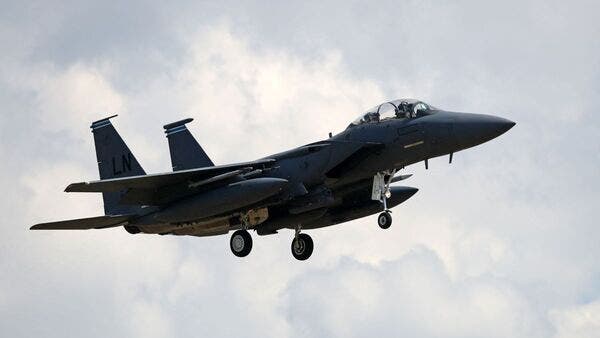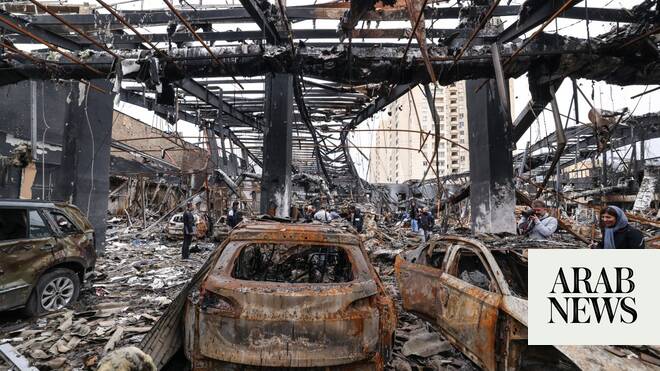

The escalating military conflict between the United States and Israel and the Islamic Republic of Iran has significant implications for capital flows and economic stability across the Middle East and North Africa (MENA), particularly concerning sovereign capital management and regional venture capital deployment. The destruction of critical infrastructure, such as the B1 bridge in Iran, serves as a stark reminder of the heightened geopolitical risk landscape. Sovereign wealth funds (SWFs) and central banks in the region must now recalibrate investment strategies, prioritizing portfolio resilience against further regional instability while seeking opportunities in less volatile jurisdictions. The disruption to Iran’s nascent logistics and technology corridors, exemplified by the bridge’s targeting, directly impacts broader MENA infrastructure connectivity goals, potentially delaying multi-billion dollar connectivity projects and increasing the cost of cross-border trade. This environment necessitates a cautious reassessment of capital allocation towards conflict-affected zones.
Concurrently, the conflict presents a complex challenge for venture capital (VC) activity within MENA. While some regional funds may see niche opportunities in cybersecurity and defense technologies, the overarching climate of uncertainty drastically increases perceived risk across all sectors. VCs operating in the region, particularly those with exposure to Iranian or broader MENA markets, face heightened scrutiny regarding exit timelines and portfolio value preservation. The diversion of national resources towards wartime economies and the potential for further sanctions escalation could severely constrain the venture capital ecosystem, stifling innovation in critical areas like fintech, healthtech, and cleantech that are otherwise vital for long-term regional economic diversification. The B1 bridge incident underscores the fragility of physical and digital infrastructure investments in conflict zones.
Ultimately, the regional infrastructure implications extend beyond immediate damage. The B1 bridge’s destruction highlights vulnerabilities in MENA’s infrastructure development plans, which rely on stable funding, international collaboration, and predictable regulatory environments. Rebuilding efforts, even in the event of a cessation, will face significant financing hurdles and require enhanced risk mitigation frameworks. This conflict forces a strategic reevaluation of infrastructure priorities, potentially accelerating investment in more resilient digital infrastructure (cloud, data centers) and decentralized energy systems while deprioritizing large-scale, politically sensitive megaprojects. The imperative now is to fortify the financial and technological foundations of MENA’s growth against the pervasive shadow of geopolitical volatility.