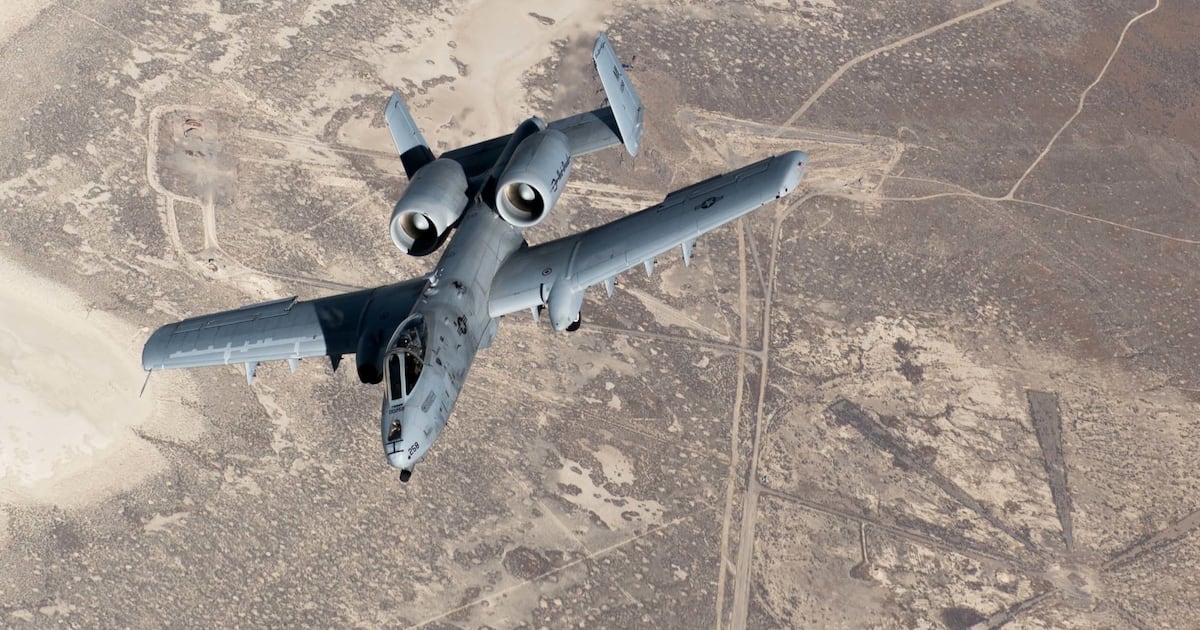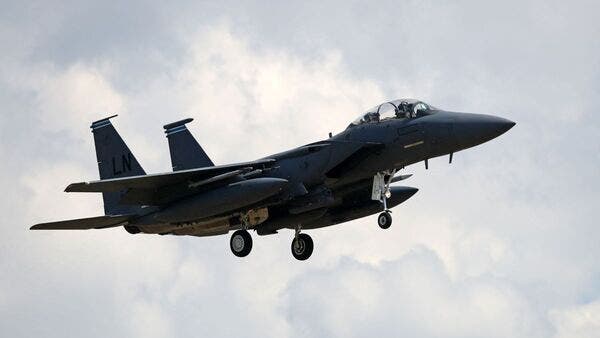

The downing of a US military aircraft over Iranian territory constitutes a severe geopolitical escalation that will immediately recalibrate capital allocation across the Middle East and North Africa. Sovereign wealth funds, particularly the Gulf Cooperation Council’s massive pools of capital, will enact a defensive portfolio rebalancing, accelerating shifts toward liquid, low-risk assets and away from regional venture exposure. This flight to quality will compress valuations in MENA technology startups and strain the fragile funding ecosystem for early-stage firms, which relies heavily on continuous foreign capital inflows. Concurrently, currency markets in the region may face pressure, with potential depreciation in non-oil economies exacerbating balance sheet risks for leveraged corporates.
Venture capital activity in the MENA technology sector, which had demonstrated resilient growth predicated on regional stability, now faces an imminent contraction. Geopolitical risk premia will spike, prompting US and European limited partners to pause new commitments and scrutinize existing portfolios, directly impacting funds focused on fintech, logistics, and e-commerce platforms. These startups are acutely vulnerable to supply chain disruptions and payment system volatilities. Furthermore, the incident threatens the foundational premise of mega-projects like Saudi Arabia’s NEOM and the UAE’s AI-centric economic plans, which depend on unfettered access to global talent and seamless cross-border data flows—conditions now at high risk.
Regional infrastructure development, a cornerstone of economic diversification strategies, will encounter significant cost inflation and timeline delays. Projects spanning transportation, energy, and digital networks will see insurance premiums surge and contractor risk assessments revised upward. For instance, initiatives such as the Red Sea economic corridor and integrated rail systems may undergo route reassessments due to security concerns. Sovereign-backed development entities will likely pivot toward partnerships with Asian or European partners perceived as neutral, yet this reorientation introduces new logistical complexities and may dilute the strategic autonomy sought by Gulf states in their infrastructure master plans.
Long-term, this event crystallizes the persistent vulnerability of MENA’s economic modernization agenda to external shocks. The region’s appeal as an investment destination will now be contingent on demonstrable resilience frameworks, including enhanced cybersecurity infrastructure and regional security pacts. Sovereigns may accelerate domestic economic reforms but could also face prolonged elevated borrowing costs. For the venture capital and technology sectors, a period of consolidation is inevitable, with survival dependent on robust balance sheets and localized revenue models. The immediate market reaction underscores a critical inflection: the MENA region’s growth trajectory is now inextricably linked to its capacity to decouple economic ambition from geopolitical volatility.