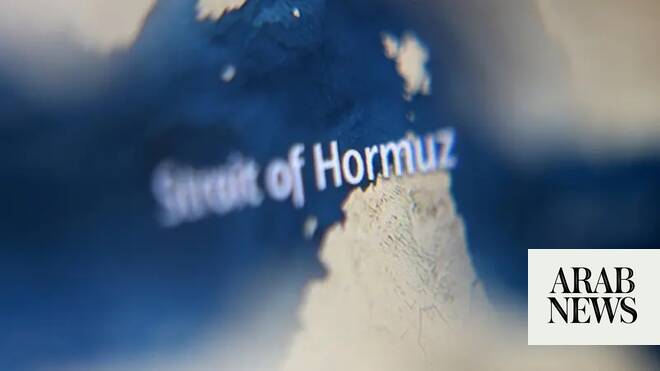

The postponed United Nations Security Council vote on authorizing defensive force to protect shipping lanes in the Strait of Hormuz represents a significant escalation of geopolitical risk for the Middle East and North Africa (MENA) region, with profound implications for regional economies, sovereign wealth funds, and the nascent venture capital ecosystem. While the revised draft resolution, carefully crafted to avoid explicit invocation of Chapter VII and emphasizing a defensive posture, aims to garner broader international support, the potential for Russian and Chinese vetoes remains a substantial impediment. The underlying issue – Iran’s disruption of vital shipping routes in retaliation for recent conflicts – poses a direct threat to global energy markets and, critically, to the economic stability of numerous MENA nations heavily reliant on oil and LNG exports.
The business impact is already being felt. The near-total closure of the Strait, through which approximately 20% of global oil and liquefied natural gas transits, is driving up energy prices and disrupting supply chains. This volatility disproportionately affects MENA economies, particularly those with limited diversification beyond hydrocarbons. Sovereign wealth funds (SWFs) across the region, significant investors in global markets, face increased pressure from fluctuating asset valuations and potential capital flight. Furthermore, the heightened uncertainty discourages foreign direct investment (FDI), hindering economic development and potentially derailing ambitious diversification plans championed by governments like Saudi Arabia and the UAE. The disruption also impacts fertilizer supplies, a critical input for regional agriculture, adding another layer of economic complexity.
The venture capital landscape in MENA is also vulnerable. While the region has witnessed a surge in VC activity in recent years, particularly in sectors like fintech and logistics, this momentum is predicated on regional stability and predictable trade flows. The current crisis introduces significant risk aversion among investors, potentially leading to a slowdown in deal activity and a reassessment of valuations. Infrastructure projects, vital for long-term economic growth and diversification, are also at risk. The Strait’s importance as a maritime chokepoint underscores the need for enhanced regional infrastructure resilience, including alternative shipping routes and expanded storage capacity, but the current climate of uncertainty makes securing financing for such projects considerably more challenging. Sovereign wealth funds, often key backers of these infrastructure initiatives, may prioritize risk mitigation over expansion in the short term.
Ultimately, the Security Council’s deliberations highlight a deeper structural challenge: the fragility of regional security and its direct impact on global economic stability. While the proposed resolution seeks to address the immediate threat to shipping, a durable solution requires a broader diplomatic effort to de-escalate tensions and address the underlying political grievances. The failure to secure a consensus resolution would not only exacerbate the immediate economic consequences but also undermine confidence in the international system and further destabilize the MENA region, hindering long-term economic development and potentially triggering a new wave of geopolitical risk.