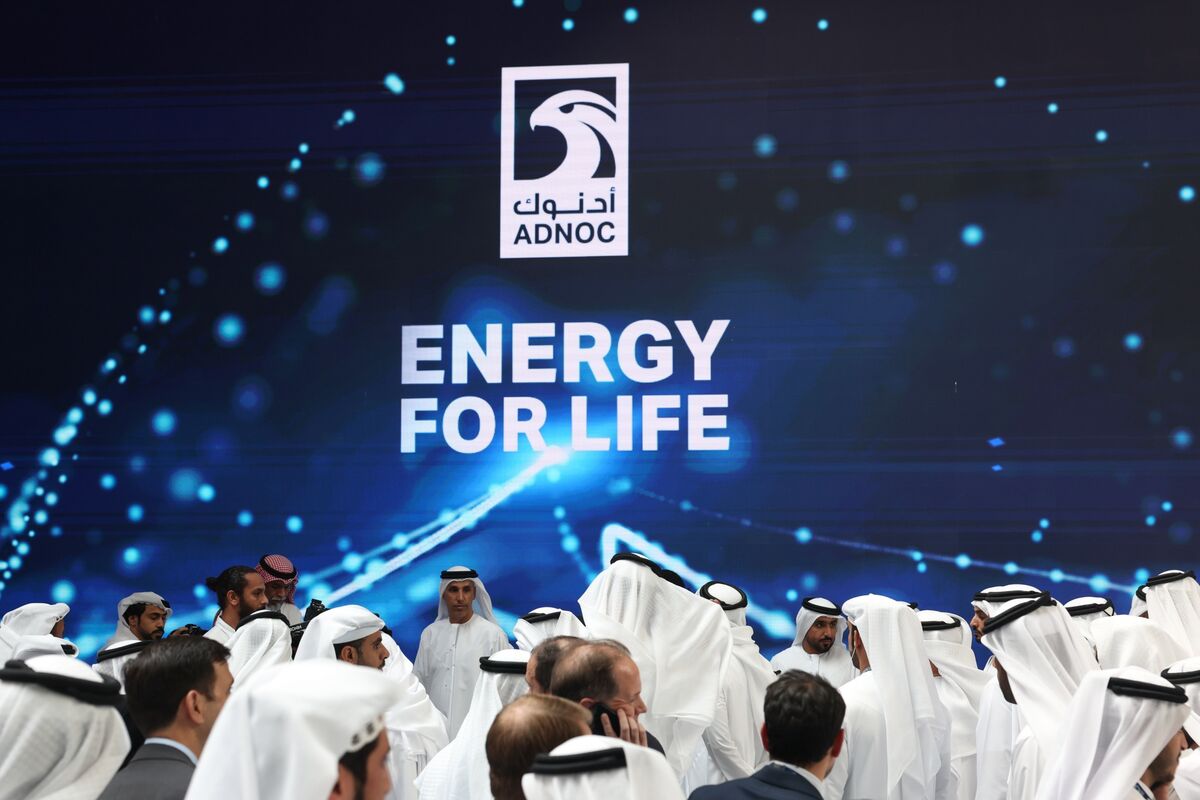

The suspension of operations at Abu Dhabi’s Habshan gas processing facility underscores the fragility of the Gulf’s critical energy infrastructure amid escalating regional security tensions. As the United Arab Emirates’ largest natural gas hub, Habshan plays a pivotal role in ADNOC’s integrated upstream-downstream operations, processing output from Abu Dhabi’s prolific Shah, Bu Hasa, and Asab fields for domestic consumption and industrial use. The swift evacuation of production from processing lines signals both the scale of the disruption and the priority given to preserving operational integrity. Analysts expect ADNOC to activate contingency infrastructure—potentially drawing from storage reserves—to minimize supply shocks, though prolonged downtime could compel imports from Qatar, challenging the UAE’s recent pivot toward self-sufficiency in natural gas.
From a sovereign capital and infrastructure standpoint, the incident is likely to accelerate investment in hardened, dual-location redundancy for key processing nodes across the UAE. New-generation facilities are expected to feature enhanced anti-drone and ballistic missile defenses, advanced real-time monitoring systems, and alternative routing for gas delivery. The financial clauses of some on-site public-private partnership contracts may be restructured to include force majeure provisions covering both physical and cyber threats, safeguarding returns on capital that have historically drawn both local sovereign wealth and international infrastructure funds. Given regional spillover effects, Kuwaiti authorities—who likewise faced energy-sector strikes hours before—may finalize parallel upgrades to key petrochemical and gas installations, bolstering GCC cross-border operational coordination.
This attack and its aftermath reinforce the high-stakes nexus between sovereign infrastructure investment, energy security, and geopolitical risk management across the MENA region. For venture capital and private equity communities, the disruption could spur new funding cycles for startups specializing in AI-driven anomaly detection, supply chain resilience hardening, and cross-border LNG logistics. Institutional investors may also increase allocations to sovereign-backed ventures in carbon capture, renewable-based hydrogen, and other diversifying energy assets designed to insulate national economies from such geopolitically driven supply shocks. Collectively, the incident is likely to systematically reshape risk models and capital deployment strategies for financiers engaged with Gulf energy infrastructure.