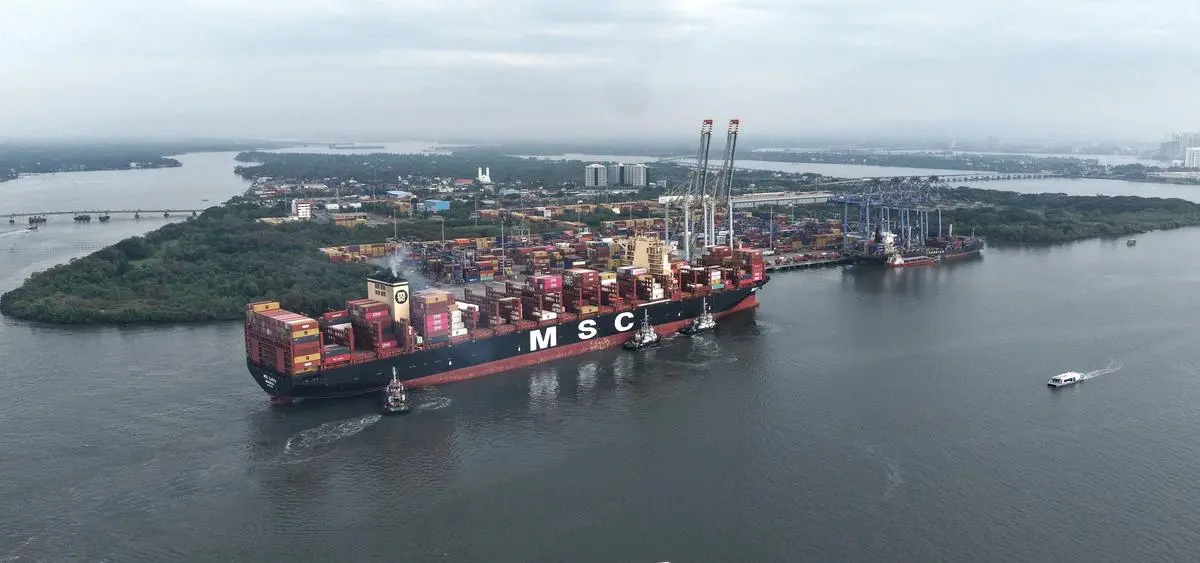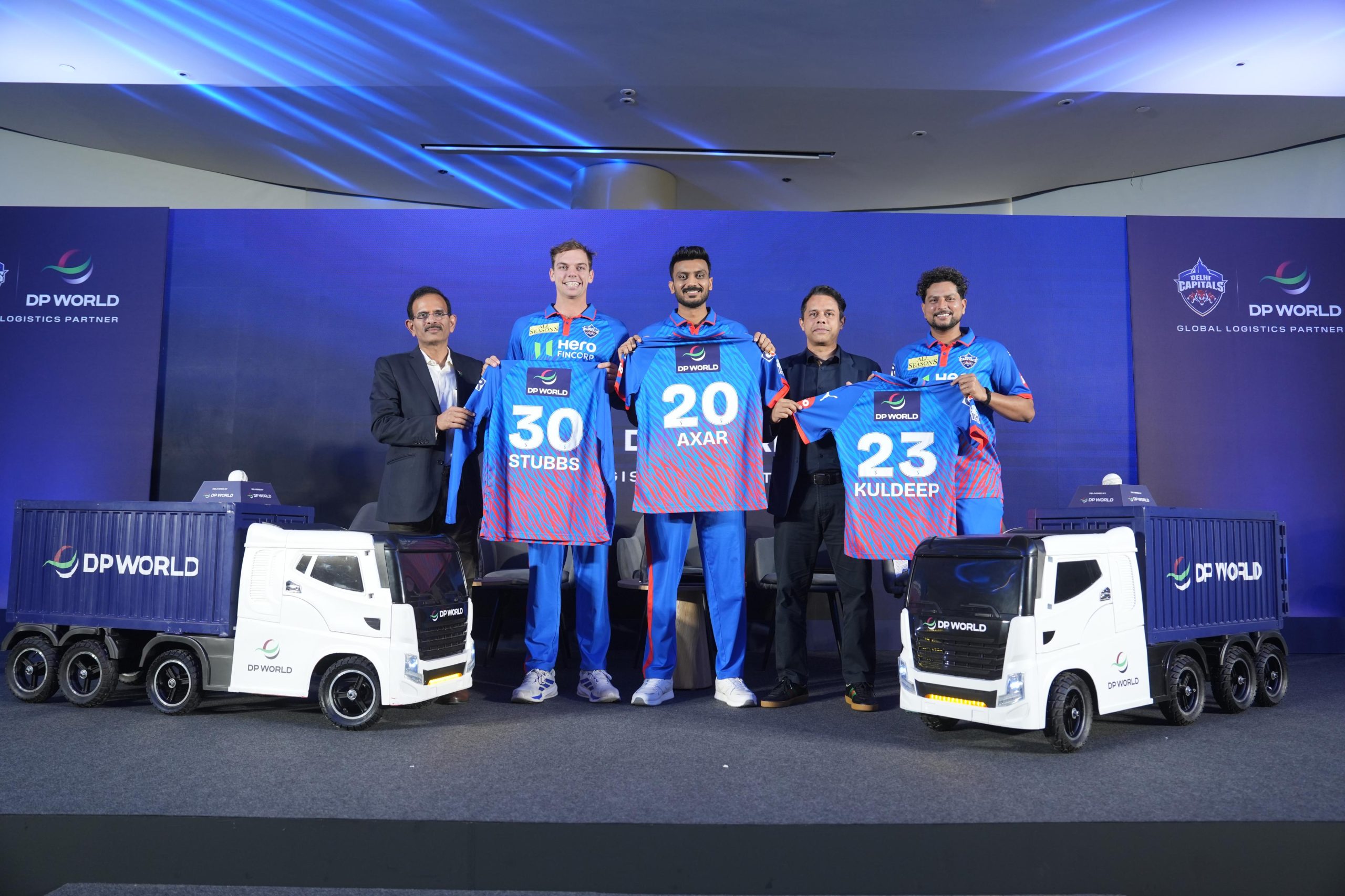

The renewed partnership between DP World and Delhi Capitals exemplifies a strategic convergence of logistics optimization and corporate social responsibility, offering parallel insights for the MENA region’s economic and developmental trajectory. From a business impact perspective, DP World’s seamlessly integrated supply chain solutions for the franchise underscore the potential for private-sector entities to enhance operational efficiency through scalable infrastructure partnerships. This model aligns with sovereign capital priorities in MENA, where governments increasingly seek private-sector collaboration to advance logistical capacity as a pillar of economic diversity. The expansion into community-driven cricket access also mirrors the region’s growing emphasis on inclusive growth initiatives, which could attract sovereign investment by projecting soft power and fostering social cohesion. For venture capital, such projects signal a replicable framework for blending corporate ESG goals with scalable social outcomes—a dynamic that could catalyze MENA-focused funds targeting sports tech, logistics, or community development startups. The interplay of high-performance logistics and grassroots engagement here serves as a blueprint for how institutional investors in MENA might prioritize ventures that balance commercial viability with regional developmental imperatives.
The venture capital landscape in MENA is increasingly attuned to tier-one global partnerships as indicators of scalable innovation. DP World’s dual focus on elite sports logistics and grassroots accessibility presents a compelling case study for how capital inflows into sports-related ventures could yield high-impact returns. In the MENA context, this might translate to investments in digital platforms enabling regional sports ecosystems or infrastructure-as-a-service models tailored to fast-growing urban centers. Sovereign capital in the region could further amplify such initiatives, using them to meet tangible development agendas—such as youth engagement or tourism bolstering—while leveraging private-sector agility to bypass bureaucratic inertia. The Delhi Capitals partnership also highlights the role of cross-border collaboration in mitigating supply chain vulnerabilities, a critical consideration for MENA economies reliant on imported goods. By integrating DP World’s logistical expertise with local avenues, sovereign entities in the region might replicate this model to optimize trade routes or energy infrastructure projects, thereby reducing dependency on linear import-export frameworks.
Regionally, the infrastructure implications of DP World’s Delhi-NCR initiatives offer a template for how MENA could evolve its public-private infrastructure paradigm. The repurposed shipping containers deployed for grassroots cricket arenas exemplify modular, cost-effective solutions to urban spatial challenges—a concept with direct relevance to MENA’s overcrowded cities seeking rapid, sustainable development. Sovereign capital in the region could channel investments toward similar modular infrastructure projects, particularly in logistics hubs or sports infrastructure, to address pressing demands like last-mile connectivity or community welfare. Furthermore, the Delhi Capitals Women’s Team’s sponsorship by DP World since 2024 underscores a shift toward gender-inclusive infrastructure—a trend MENA’s female entrepreneurship and tech sectors could emulate to unlock untapped demographic potential. By framing infrastructure investments as catalysts for both economic and social mobility, MENA’s policymakers and investors can draw parallels from this partnership to design holistic schemes that align with global best practices while addressing regional specificities. The scalability of DP World’s model reinforces its role as a catalyst for rethinking how sovereign and venture capital can synergize to drive infrastructure innovation across interconnected global regions.