
MENA Energy Security at Critical Juncture: Escalation Risks and Regional Implications
The escalating conflict between the United States and Iran, marked by recent Israeli strikes on petrochemical facilities in Iran and retaliatory Iranian attacks on maritime shipping and Israeli targets, presents a profound and immediate threat to regional stability and global energy markets. President Trump’s renewed threat of “hell” raining down on Iran, coupled with the potential for a broader escalation, underscores the fragility of the situation and necessitates a sober assessment of the business, sovereign capital, venture capital, and infrastructural ramifications for the Middle East and North Africa. The immediate impact is centered on Iran’s critical petrochemical sector, a cornerstone of its economy and a major exporter of vital feedstocks, potentially disrupting supply chains and exacerbating inflationary pressures already straining global economies.
The attacks on Iranian energy infrastructure, including the targeting of the Khuzestan province’s petrochemical zone, carry significant sovereign capital implications. Increased geopolitical risk premiums are already impacting investment flows into the region, particularly within the oil and gas sector. Sovereign wealth funds, traditionally a key source of capital for MENA nations, are likely to curtail new investments and prioritize defensive measures. Venture capital activity, previously focused on digital transformation and renewable energy projects, is expected to shift towards cybersecurity, critical infrastructure protection, and defense-related technologies. Furthermore, the potential for secondary explosions and environmental damage raises concerns about liability and insurance costs, adding further financial burdens for regional businesses and governments. The disruption to trade through the Strait of Hormuz, a vital artery for global oil shipments, is a key concern, demanding immediate contingency planning and potentially necessitating increased investment in alternative shipping routes.
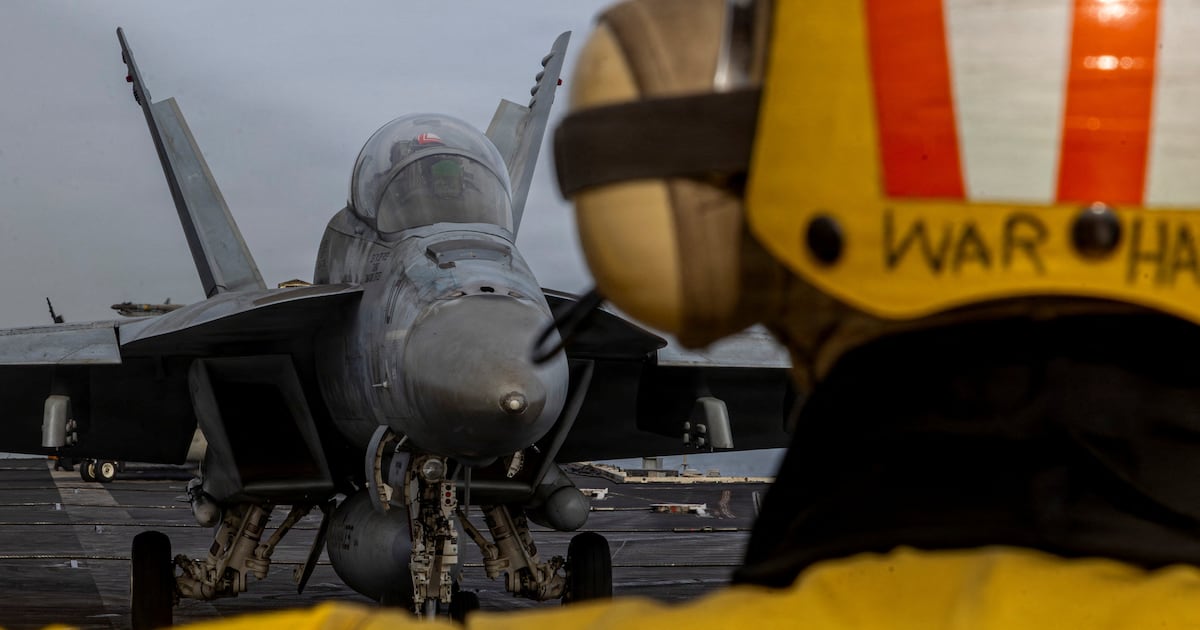
The US military response, including the downing of two American fighter jets and the ongoing search for missing personnel, is further intensifying the risk environment. The potential for a wider military confrontation, even if unlikely, would trigger a dramatic flight to safety, leading to a sharp decline in regional asset values and a significant contraction in economic activity. Beyond the immediate financial impact, the conflict is accelerating the diversification efforts underway across the MENA region. Countries are actively seeking to reduce their reliance on hydrocarbon exports and attract investment in sectors such as technology, tourism, and manufacturing. However, the current crisis highlights the vulnerability of these nascent industries to geopolitical shocks, emphasizing the need for robust risk management strategies and diversified economic partnerships. Increased investment in regional infrastructure – particularly in cybersecurity and logistics – will be crucial to mitigating the impact of future disruptions.
Finally, the escalating tensions are accelerating the push for regional energy independence, particularly among nations like Saudi Arabia and the UAE. While these countries possess significant hydrocarbon reserves, they are simultaneously investing heavily in renewable energy sources and exploring opportunities in downstream industries. The conflict underscores the strategic imperative of diversifying energy sources and reducing vulnerability to external shocks. The potential for further attacks on critical infrastructure necessitates a coordinated regional approach to security and defense, potentially leading to increased military cooperation and the establishment of joint security mechanisms. Ultimately, the long-term consequences of this conflict will reshape the geopolitical landscape of the Middle East, demanding a recalibration of investment strategies and a renewed focus on resilience and diversification across the region.