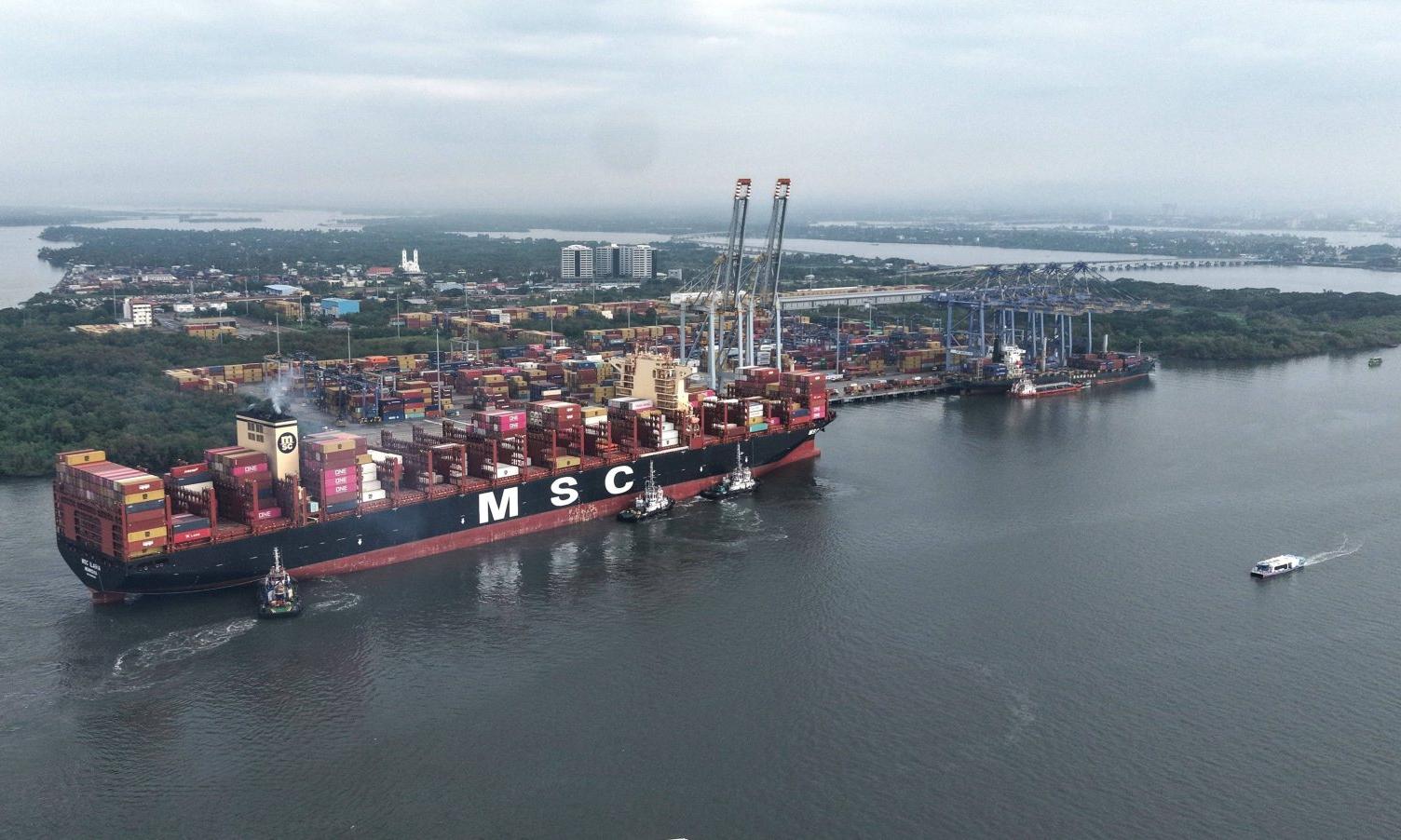

The operational milestone at DP World’s Cochin terminal, where a single ULCV rotation processed over 8,000 TEUs, functions as a critical benchmark for MENA sovereign port operators and infrastructure asset managers. As global liner alliances reconfigure routing algorithms around vessel size, draft capacity, and yard throughput velocity, Middle Eastern and North African terminal concessions face immediate structural pressure to audit their physical readiness for next-generation fleets. The business impact is direct: failure to scale quayside capabilities, deepen channel drafts, and densify storage yards correlates with declining port-call frequency, eroding tariff realizations, and diminished long-term concession valuations. Regional capital stewards must treat such Indian gateway achievements not as isolated operational updates, but as competitive stress tests that expose yield vulnerabilities in legacy port assets.
In response, MENA sovereign wealth funds and state-backed development authorities are recalibrating capital deployment strategies, shifting from greenfield volumetric expansion toward precision modernization of brownfield terminals. Liquidity is being systematically directed into electrified yard equipment, microgrid power architectures, and automation layers that guarantee operational resilience under peak demand. This infrastructure pivot has catalyzed a measurable surge in venture capital flowing into the region’s maritime technology stack. Institutional allocators are now deploying targeted equity into AI-driven terminal operating systems, predictive maintenance platforms, and blockchain-enabled customs clearance networks, recognizing that hardware scale without digital orchestration creates capital inefficiency. The convergence of sovereign balance sheets with private venture financing is engineering a hybrid deployment model where decarbonization compliance and algorithmic port management dictate investment underwriting criteria.
The broader regional infrastructure implication centers on the mandatory integration of high-capacity port nodes with adjacent free trade and warehousing zones, transforming standalone terminals into sovereign-led logistics ecosystems. MENA jurisdictions must synchronize hinterland rail connectivity, grid modernization, and cross-distribution architecture to defend transhipment margins against increasingly efficient Asian gateways. Capital that remains siloed in traditional civil engineering will underperform; competitive advantage now requires coordinated financing of digital twins, automated customs corridors, and renewable-powered yard infrastructure. For institutional stakeholders, the strategic imperative is unambiguous: sustaining regional trade hegemony over the coming decade demands disciplined sovereign capital allocation into electrified, data-optimized, and multi-modal port ecosystems, with venture-backed technology layers serving as the operational multiplier for infrastructure yield.