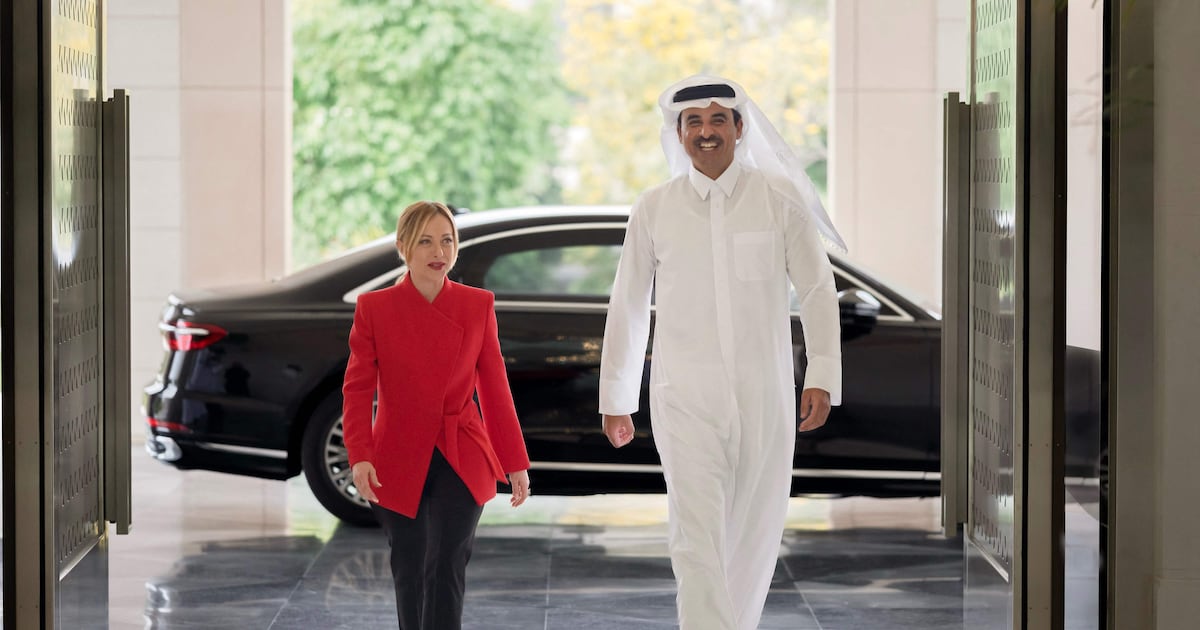

The Italian Prime Minister’s recent diplomatic itinerary—spanning Doha, Jeddah, and Abu Dhabi—underscores a deliberate effort to embed European engagement within the Gulf’s evolving security architecture. By facilitating dialogue between regional power brokers and emphasizing de‑escalation, the tour reinforces a strategic convergence that aligns with broader concerns over regional stability, energy‑supply continuity, and the safeguarding of critical maritime corridors.
The convergence of political signaling and sovereign capital deployment is poised to accelerate financing of energy‑security infrastructure across the MENA theater. Gulf sovereign wealth funds, notably the Saudi Public Investment Fund, Qatar Investment Authority, and the Abu Dhabi Investment Authority, are expected to increase allocations toward resilient energy networks, LNG re‑liquefaction facilities, and diversified export routes, thereby reinforcing their role as the primary drivers of capital formation in the region.
From a venture‑capital perspective, the heightened geopolitical tension has catalysed interest in defence‑technology, satellite‑based communications, and green‑hydrogen ventures that can mitigate exposure to supply‑chain shocks. European venture firms are likely to partner with Gulf sovereign‑backed incubators, leveraging state‑level guarantees and procurement pipelines to scale innovative solutions for grid resilience, maritime security, and carbon‑neutral logistics.
The ramifications extend beyond bilateral trade, influencing the architecture of regional infrastructure projects that underpin global commodity flows. Enhanced coordination among Italy, the UAE, Saudi Arabia, and Qatar is expected to accelerate public‑private partnership frameworks, facilitating the financing of trans‑regional pipelines, expanded LNG export capacity, and renewable‑energy corridors. Such undertakings will not only fortify energy security for importers in Europe and Asia but also cement the Gulf’s position as the linchpin of a more stable, infrastructure‑rich Middle East and North Africa ecosystem.