
The accelerating convergence of artificial intelligence and infrastructure development across the Middle East and North Africa (MENA) region represents a pivotal economic transformation with far-reaching implications. Beyond the immediate benefits of enhanced operational efficiency and cost reduction, this integration is catalyzing a significant shift in the regional business landscape. Governments are increasingly recognizing AI’s potential to drive economic diversification, moving beyond traditional hydrocarbon-based economies. This realization is fueling strategic investments in digital infrastructure – including advanced connectivity, data centers, and cloud computing – creating a fertile ground for AI-driven solutions across sectors like energy, finance, and healthcare. The business impact is tangible, with companies adopting AI for everything from predictive maintenance in energy grids to personalized financial services, ultimately enhancing competitiveness and attracting foreign direct investment.
A critical driver of this technological evolution is the influx of sovereign wealth and venture capital. MENA sovereign funds are demonstrating greater willingness to allocate capital towards AI initiatives, both domestically and internationally, recognizing its long-term strategic importance. Simultaneously, the regional venture capital ecosystem is maturing rapidly, with a growing number of startups focused on AI applications tailored to local market needs. This dual investment approach is fostering innovation and accelerating the development of specialized AI solutions for challenges specific to the MENA context, such as water scarcity, urban planning, and cybersecurity. The commitment extends beyond financial investment; many governments are establishing regulatory frameworks and fostering talent development programs to support the growth of the AI sector, ensuring a sustainable and impactful ecosystem.
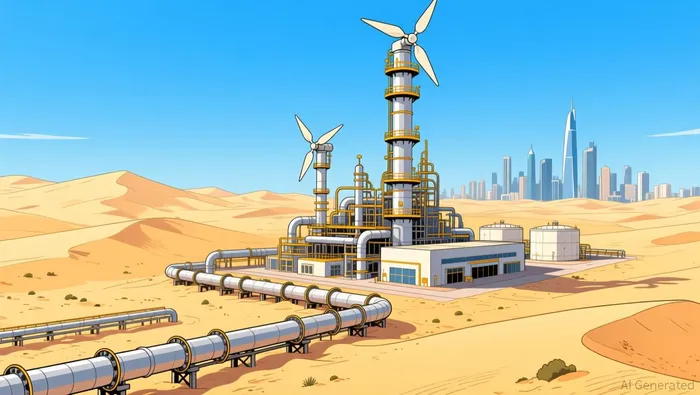
The burgeoning AI and infrastructure nexus is reshaping regional infrastructure priorities. The demand for robust, secure digital networks is intensifying, prompting substantial investments in 5G deployments and fiber optic expansion. Data center development is also experiencing robust growth, with regional players and multinational corporations establishing facilities to cater to the increasing data processing needs of AI applications. Furthermore, initiatives promoting smart cities and connected infrastructure are further amplifying this demand. These infrastructural advancements are not merely supporting the adoption of AI; they are creating new business opportunities in areas such as network management, cybersecurity, and data analytics, further bolstering economic growth. The long-term implications include a more resilient and digitally empowered economy capable of competing on a global scale.
However, realizing the full potential requires addressing key challenges. These include bridging the digital skills gap through targeted education and training programs, navigating complex regulatory environments, and ensuring data privacy and security. The successful navigation of these hurdles will be paramount in unlocking the transformative power of AI for the MENA region. The region’s ability to effectively leverage its capital, foster innovation, and build robust infrastructure will ultimately dictate its position in the global AI economy. This presents both significant opportunities and challenges for businesses operating within and investing in the MENA market, requiring a nuanced and strategic approach to capitalize on this rapidly evolving landscape.