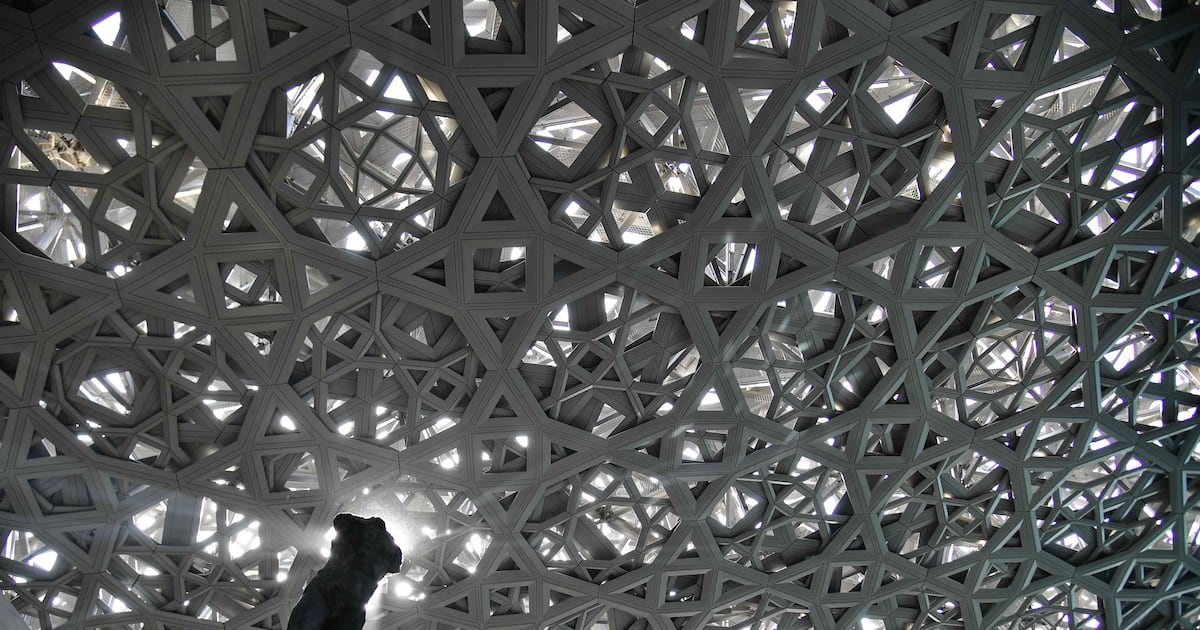

Abu Dhabi’s strategic investment in cultural infrastructure represents a calculated diversification play that aligns with the emirate’s broader economic transformation agenda. The Louvre Abu Dhabi, which continues to host high-profile exhibitions such as the current “Picasso, the Figure” showcase through May 31, exemplifies how sovereign capital is being deployed to establish the emirate as a global cultural destination. This approach serves multiple strategic objectives: attracting high-value tourism, enhancing soft power for investment attraction, and developing non-oil revenue streams that reduce dependence on hydrocarbon revenues.
The Saadiyat Island cultural district, home to institutions including Louvre Abu Dhabi, Manarat Al Saadiyat, and the upcoming Zayed National Museum, represents a multi-billion dollar sovereign investment in creative economy infrastructure. These assets function as anchor institutions for broader ecosystem development, driving real estate value appreciation, hospitality sector growth, and positioning Abu Dhabi competitively against regional rivals including Saudi Arabia’s ambitious Qiddiya entertainment initiative and Qatar’s pre-existing cultural credentials. The economic multiplier effect extends to local creative industries, with institutions like Qasr Al Watan’s “Golden Ink” exhibition demonstrating how cultural programming can generate ancillary revenue through tourism, merchandise, and educational programming.
From a venture capital perspective, the emirate’s cultural investments signal market maturation for creative technology and experience economy startups. The emphasis on community engagement programming, such as Al Ain Museum’s participatory heritage archive and Manarat Al Saadiyat’s Al-Qomra Photography meet-ups, indicates demand for platforms bridging cultural consumption with user-generated content. These programming models present investment opportunities in regional creative tech, digital heritage preservation, and experiential tourism platforms. The UAE National Orchestra’s inaugural season further underscores institutional support for performing arts infrastructure, creating downstream opportunities in music technology, education, and entertainment production.
The strategic calendar of events, spanning heritage programming at Al Ain Museum through contemporary exhibitions at the Cultural Foundation, reflects deliberate portfolio diversification within the cultural sector itself. This programming diversity mitigates concentration risk while appealing to distinct demographic segments—from heritage-focused tourists to contemporary art collectors. For sovereign wealth managers assessing long-term asset allocation, Abu Dhabi’s cultural investment thesis demonstrates how non-traditional infrastructure assets can generate returns through brand equity, tourism receipts, and workforce development in knowledge economy sectors. The approach mirrors broader MENA regional strategy of leveraging sovereign capital to build competitive advantages in sectors that will define post-hydrocarbon economic resilience.