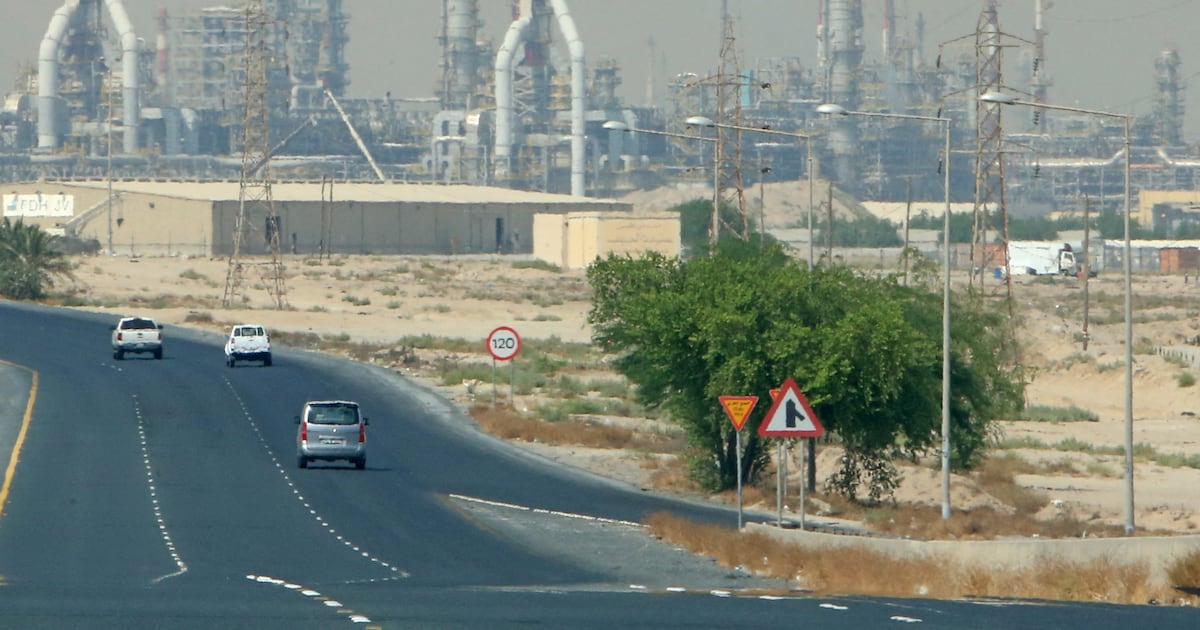

Theescalating drone attacks on Gulf energy infrastructure underscore a profound business risk for sovereign entities across the Middle East and North Africa. Kuwait’s KPC, a linchpin of the country’s sovereign capital strategy, has declared force majeure on export contracts due to operational disruptions at critical facilities like Mina Al Ahmadi, which processes 346,000 bpd of oil. These attacks, part of Iran’s retaliatory campaign against US and Israeli strikes, directly threaten the region’s fossil fuel revenue streams, which remain vital despite global shifts toward renewables. The destruction of refineries and desalination plants—key assets underpinning public finances—forces states to divert sovereign resources toward emergency repairs and long-term resilience projects. Kuwait, producing 2.6 million bpd pre-war, risks further production cuts if attacks persist, potentially exacerbating energy price volatility. This erosion of hydrocarbon-dependent revenue streams challenges MENA nations’ fiscal sovereignty, compelling governments to bolster state oil funds or seek alternative revenue diversification, a move that could realign regional investment priorities.
The incidents expose critical vulnerabilities in regional infrastructure, with cascading implications for sovereign capital allocation and technological modernization. Iran’s targeting of power and water systems—not just energy assets—highlights the interconnectedness of critical infrastructure in MENA, where desalination plants sustain economic and social stability. Kuwait’s reliance on Hormuz for oil exports, already strained by Iran’s blockade, now faces existential threats. This forces a strategic pivot toward alternative transport corridors, such as the Strait of Bab-el-Mandeb or land-based pipelines, requiring governments to invest heavily in infrastructure diversification. However, such projects demand sustained sovereign capital expenditure, potentially diverting funds from other priorities. The_region’s energy infrastructure, often structured around 20th-century choke points, is increasingly a liability in a conflict-ridden geopolitical landscape. Moreover, the attacks highlight the inadequacy of current cybersecurity and physical defense frameworks, signaling a need for sovereign-backed tech investments to safeguard assets—a shift that could reshape venture capital dynamics in the region.
While venture capital activity in MENA has traditionally focused on tech-enabled startups, the current security environment threatens to redirect capital flows toward defense, infrastructure resilience, and energy security. VCs may face increased competition for funding from sovereign budgets, which are prioritizing short-term crisis management over long-term growth investments. However, this instability could also catalyze niche VC opportunities in areas like cybersecurity, satellite monitoring, or decentralized energy storage—sectors poised to mitigate regional risks. Yet, the geopolitical uncertainty may deter foreign VC participation, fragmenting the ecosystem. For instance, startups reliant on stable energy supplies or logistics networks may struggle to scale, while sovereign-backed deals in renewable energy or smart grid technology could gain traction as alternatives to fossil fuel dependency. The Gulf’s energy infrastructure attacks, therefore, represent not just a security crisis but a recalibration of capital flows toward risk mitigation, with profound implications for the region’s innovation economy and sovereign investment strategies.