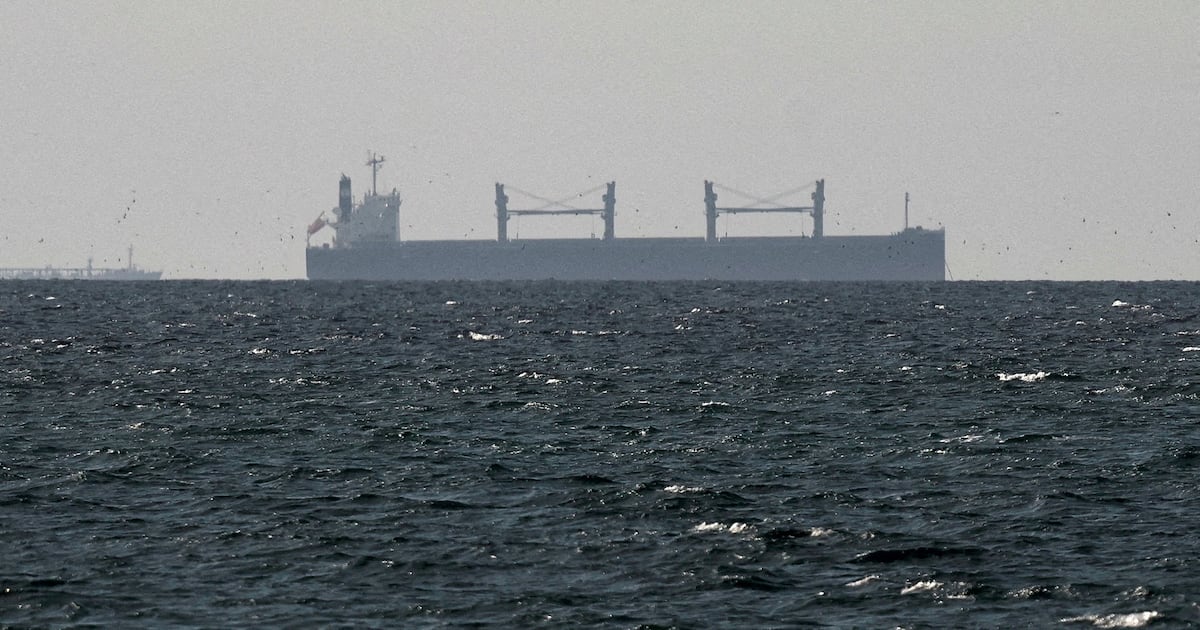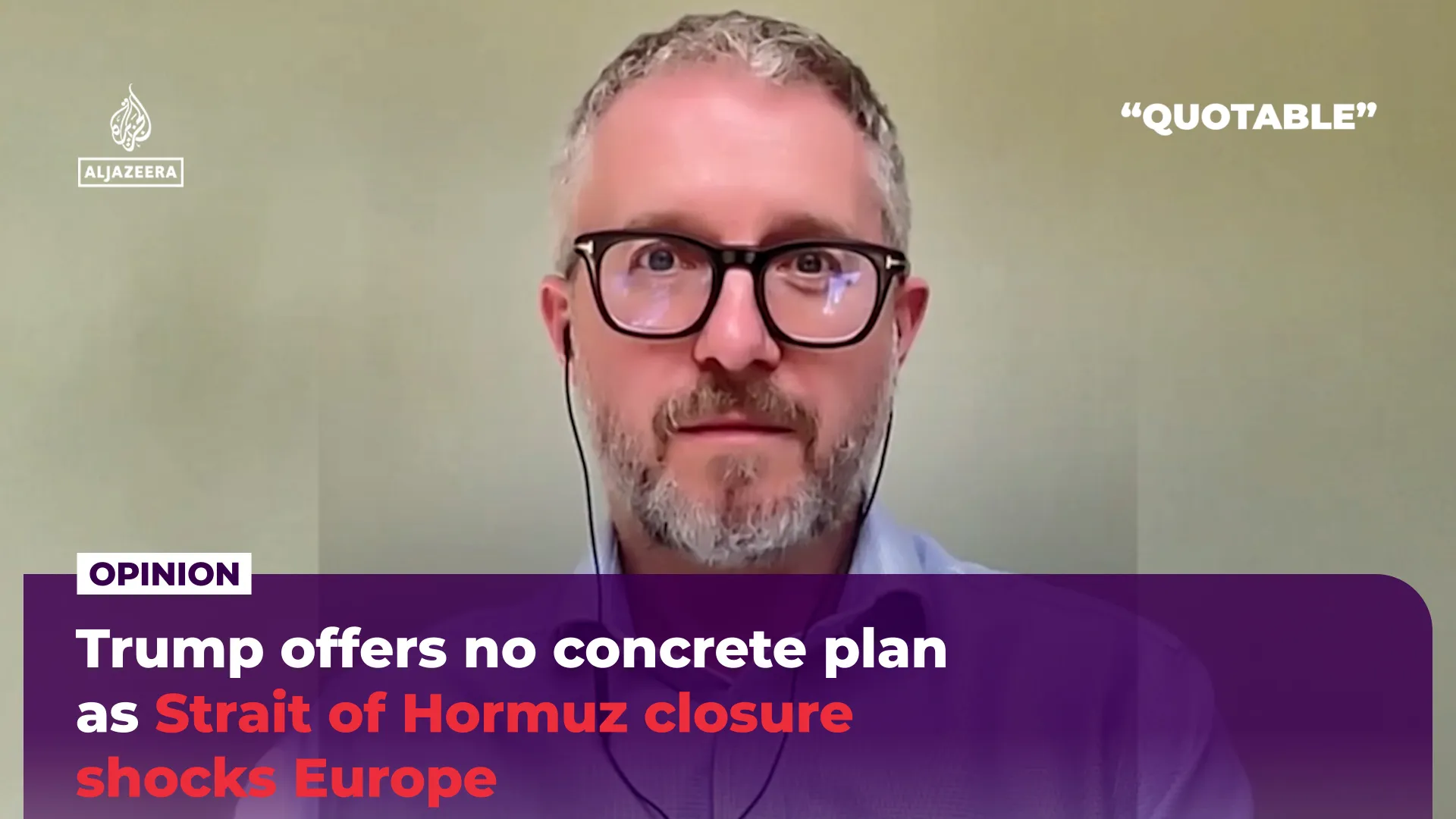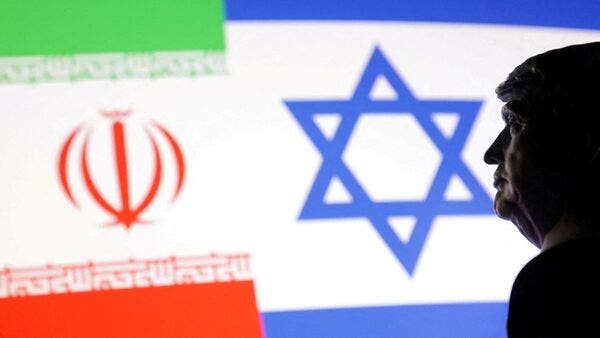

Geopolitical tremors across West Asia are reverberating through the region’s energy and sovereign investment corridors, particularly as Israel moves closer to targeting Iran’s critical energy infrastructure. According to high-level Israeli defense briefings, the timing of any offensive is contingent on U.S. approval, positioning Washington as the ultimate arbiter in an escalation that could collapse market liquidity across the Strait of Hormuz. With President Trump setting public ultimatums—most recently a 48-hour compliance window—global oil sentiment has already shifted, prompting Gulf sovereign wealth funds to quietly reassess regional allocations. The immediate threat is not only physical disruption to Iranian production but potential knock-on impacts on shipping insurance and Dubai’s role as an energy logistics hub.
From an investor perspective, a kinetic strike on Iran’s petrochemical or nuclear-linked sites could trigger a synchronized capital repositioning: Gulf sovereign wealth vehicles may accelerate the diversification of hydrocarbon-linked investments, while infrastructure planners consider alternative maritime trade routes outside Hormuz. Venture capital inflows into climate tech and renewable energy—particularly within the UAE and Saudi green energy mix—would likely receive renewed interest, as policymakers hedge against prolonged hydrocarbon volatility. Technology infrastructure funds positioned to support smart-grid realignment and digital logistics could see increased capital calls if physical transit corridors face sustained risk.
The longer-term implications extend beyond energy supply. Iran’s commercial and military accessibility to indirect funds could face renewed scrutiny under any post-strike economic alignment, complicating upstream investment partnerships for regional energy majors. Sovereign wealth vehicles with cross-border asset exposure—from deepwater drilling in the Gulf to downstream refineries—will grapple with elevated risk premiums. In this period of heightened uncertainty, investors and sovereign wealth firms alike must watch both strategic military signals and evolving U.S. trade alignments, as both will shape capital flows, infrastructure planning, and regional technology investment over the next fiscal cycle.